AirDroid Parental Control
AI-powered content monitor and alerts
- 👀Social Apps & Messages content monitor
- ⚠ Instant Alerts for potential online risks
- 🔞Inappropriate apps and websites blocking
Gen Z Slang Explained: A Parent‘s Guide for 2026
Gen Z slang is the informal language popularized by young people through social media, gaming, memes, music, and group chats. If your teen says someone has "rizz," calls something "mid," or replies with "no cap," you may feel like they're speaking a completely different language.
Most of these expressions are harmless ways to joke, react, or connect with friends. But meanings can change quickly, and context matters.
This Gen Z slang dictionary explains 50+ popular terms with simple definitions, real-life examples, and helpful notes for parents—so you can understand the conversation without jumping to conclusions.
Popular Gen Z Slang Words at a Glance
Gen Z slang is everywhere, but some terms come up more often than others. Based on the words repeatedly mentioned in Reddit discussions, here are a few popular expressions worth learning first.
| Slang | Quick Meaning | Example |
|---|---|---|
| Rizz | Charm or the ability to attract someone romantically. | She got his number in five minutes—she's got rizz. |
| Lowkey | Secretly, slightly, or without wanting to make it obvious. | I lowkey want to leave the party early. |
| Highkey | Openly, strongly, or without trying to hide it. | I highkey think he's annoying. |
| Cooked | In serious trouble, exhausted, or unlikely to succeed. | I forgot the assignment was due today—I'm cooked. |
| L | A loss, failure, or disappointing outcome. | Missing the concert was a huge L. |
| W | A win, success, or positive outcome. | Getting those tickets for free was a big W. |
| Mood | Something that perfectly matches how someone feels or is highly relatable. | That cat sleeping all day is such a mood. |
| Bet | Okay, agreed, or "sounds good". It can also mean accepting a challenge. | Meet me outside at eight. Bet. |
| Drip | Stylish clothing, accessories, or an impressive sense of style. | He's got some serious drip today. |
| Bruh | A reaction expressing disbelief, annoyance, surprise, or disappointment. | Bruh, did you really eat the last slice? |
| I'm dead | A reaction meaning something is extremely funny, shocking, or unbelievable. It is not usually meant literally. | That video was hilarious —I'm dead. |
Comment
by
u/TheCultOfSolar
from discussion
What Gen Z slang do you use the most?
in
r/generationology
If even a 23-year-old is still learning new slang, parents shouldn't feel out of the loop. Below, we've grouped common Gen Z slang by category to make these terms easier to understand.
Browse Gen Z Slang by Category
Gen Z slang is vast and constantly evolving. To make these expressions easier to explore, we've grouped them into categories based on how they're commonly used.
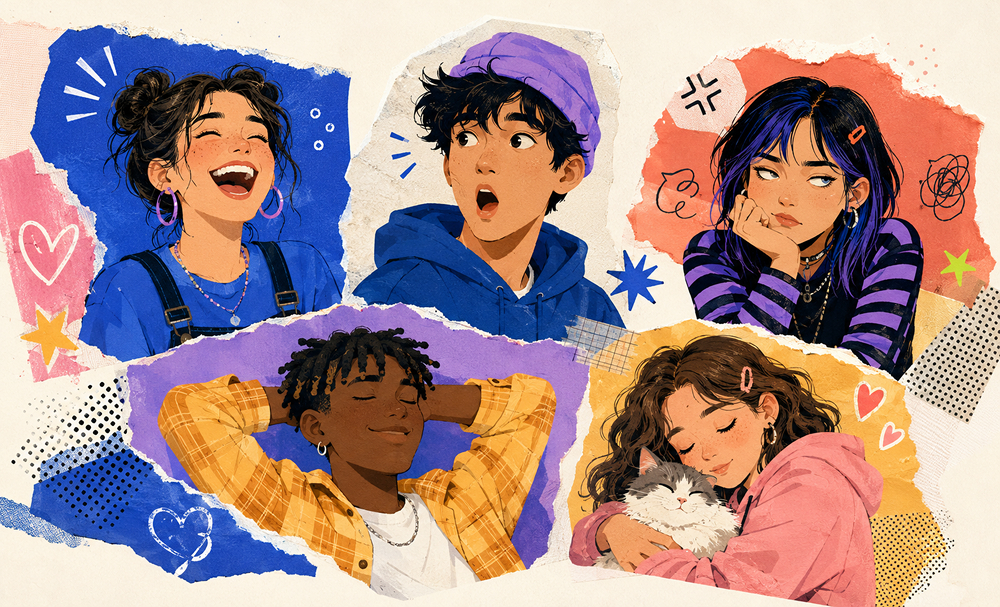
Gen Z Slang for Feelings and Reactions
Gen Z often uses short slang expressions to show surprise, frustration, excitement, or other emotions. Here are some common examples:
- Vibing: Feeling relaxed and enjoying the moment.
We're just vibing and listening to music. - Salty: Salty is a slang term for irritated, angry, or resentful, especially as a result of losing or being slighted.
He's still salty about losing the game. - Pressed: Unusually bothered or angry about something
Why are you so pressed about it? - Sending Me: Making someone laugh very hard.
Her reaction is sending me. - Crash out: To lose emotional control and react angrily or recklessly, often without thinking about the consequences.
He's about to crash out over that comment. - Gagged: Extremely shocked or impressed, often to the point of being speechless.
Her new look had everyone gagged. - It's giving…: Used to describe the vibe or impression that someone or something gives off.
That outfit is giving main character. - Sus: Suspicious, questionable, or not quite right.
Why are you hiding in that corner? That's sus.
Gen Z Slang for Dating and Relationships
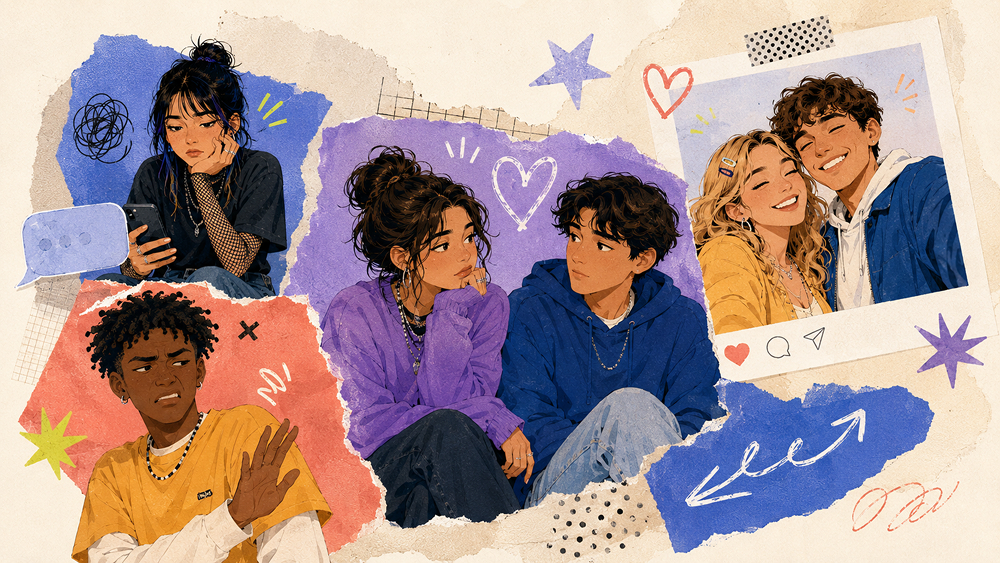
From undefined relationships to subtle social media announcements, Gen Z uses a distinct set of terms to talk about dating and romance. Here are some common ones you may come across.
- Situationship: A romantic relationship that is more than friendship but has no clear label or commitment.
We've been seeing each other for months, but we're not officially dating—it's basically a situationship. - Ghosting: Suddenly cutting off all communication with someone without giving any explanation.
We went on a few dates, but then he stopped replying and completely ghosted me. - Shoot your shot: Take a chance by expressing interest or asking someone out.
Just shoot your shot and message them. - The ick: A sudden feeling of dislike or loss of attraction toward someone, often triggered by a small behavior or habit.
I liked him at first, but the way he talked to the waiter gave me the ick. - Simp: Someone who tries too hard to impress or please a person they like, often without receiving the same interest in return.
He buys her gifts all the time even though she barely talks to him—his friends call him a simp. - Red flag: A warning sign that someone may be unhealthy, untrustworthy, or unsuitable for a relationship.
The way he tries to control who she talks to is a major red flag. - Soft launch: Subtly hinting at a romantic relationship on social media without clearly revealing the partner's identity.
She soft-launched her new relationship by posting a photo of their hands at dinner. - Hard launch: Publicly revealing a romantic relationship on social media by clearly showing or identifying the partner.
They hard-launched their relationship by posting photos together on Instagram. - Thirst trap: A photo, video, or post shared online mainly to attract attention, compliments, or admiration — often by showing off someone's appearance or style.
He posted a thirst trap on Instagram. - Sneaky link: A person someone meets secretly, often for a casual romantic or sexual relationship.
He said he was meeting his sneaky link.
Gen Z Slang for Social Media and Online Culture
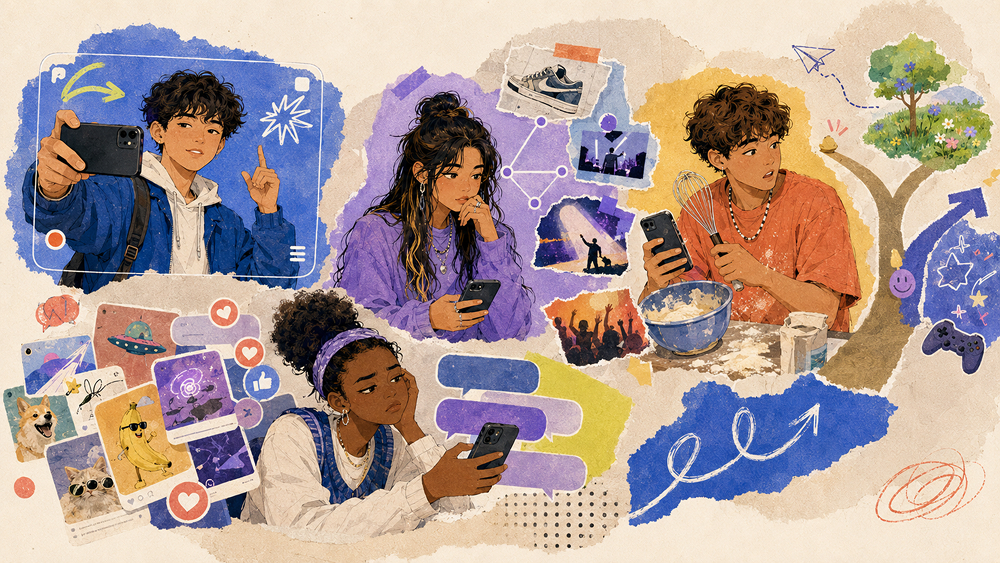
Much of Gen Z slang is shaped by social media, memes, and online communities. These terms describe how people post, react, and express themselves online.
- POV: Short for "point of view," used to present a video or post from a particular person's perspective.
Typical caption: "POV: You wake up and realize you slept through your alarm. - Lore: The backstory or history behind a person, event, meme, or online situation.
I need the full lore behind this group chat drama. - Stan: A highly devoted fan; as a verb, to strongly support a person, show, team, or idea.
We stan a queen who writes her own songs. - Main character energy: Confident, attention-grabbing behavior that makes someone seem like the star of the moment.
Walking through the city in that coat was pure main character energy. - Canon event: An important or seemingly inevitable experience that shapes someone's life or personal growth.
Getting a terrible haircut as a teenager is basically a canon event. - Side quest: An unexpected activity or distraction that takes someone away from their main goal or task.
I went out to buy coffee and ended up on a side quest at a thrift store. - Touch grass: Used to tell someone to spend less time online and reconnect with real life.
You've been arguing about this all day—go touch grass. - Brain rot: Mental dullness caused by consuming too much trivial or low-quality online content; it can also refer to the content itself.
I've watched so many ridiculous TikToks today—I swear I have brain rot. - Yeet: To throw something forcefully, or an excited exclamation used for comic effect.
He yeeted the empty box across the room.
Gen Z Slang for Online Arguments, Callouts, and Drama
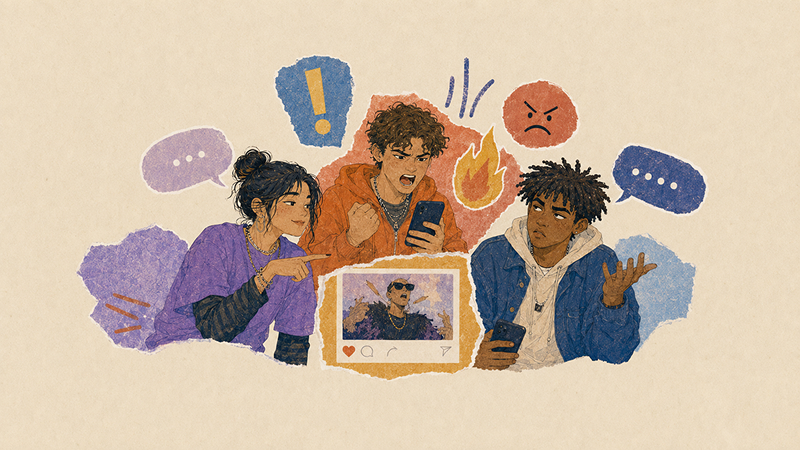
Comment sections and group chats can get heated fast, and teens often use slang to call people out, express disbelief, or shut down an argument. Have you spotted any of the following terms in your child's posts, comments, or chats? Let's break down what they mean.
- Clock it: Used to point out or agree with something true or noticeable, especially when someone has correctly called it out.
She said he only apologized because he got caught—clock it. - Rage bait: Content deliberately designed to make people angry or provoke arguments in order to get more views, comments, or shares.
That outrageous take is obviously rage bait—he just wants people to argue in the comments. - SYBAU: A vulgar acronym for "shut your b*tch ass up," used online to aggressively tell someone to stop talking.
He kept posting rude comments, and someone finally replied, "SYBAU". - PMO: In an annoyed or argumentative context, short for "pisses me off," used when something makes someone angry or frustrated. It can also mean "put me on," so the meaning depends on context.
People starting arguments just for attention really PMO. - BSFR: A vulgar acronym for "be so f*cking for real," used to express disbelief or tell someone they're being ridiculous or unrealistic.
You think he wrote that whole essay in five minutes? BSFR. - Glazing: Excessively praising or defending someone, often in a way that seems exaggerated or undeserved.
He wasn't even the best player in the match—stop glazing him.
Gen Z Slang for Gaming and Livestreaming
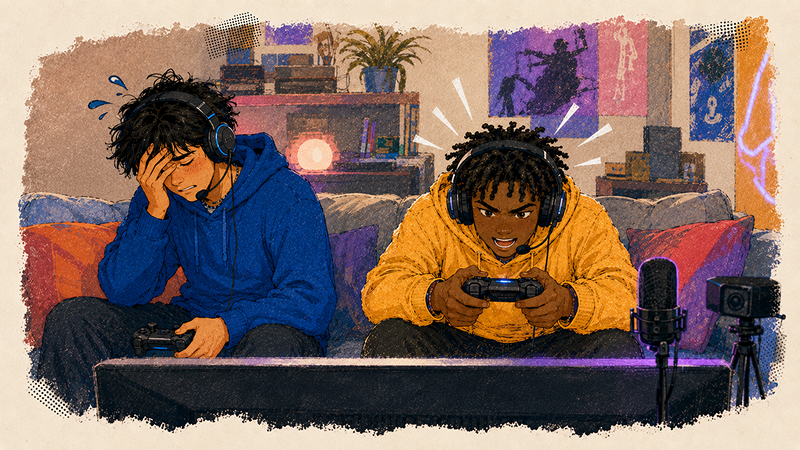
Gaming sessions and livestream chats move fast, and teens often use short expressions to react to wins, losses, and other players. If your child calls someone “cracked” or blames a loss on a "skill issue," here's what they mean.
- Cracked: Extremely skilled at a video game, especially when someone consistently makes impressive plays.
She's absolutely cracked at Fortnite—she won the match almost by herself. - Selling: Making a mistake, failing badly, or ruining a good opportunity.
Bro is selling so hard right now. - Chat: A term streamers use to address their livestream audience; teens may also use it jokingly when talking to friends.
Chat, are we winning this game or are we cooked? - Clip farming: Creating dramatic, funny, or exaggerated moments on purpose so they can be clipped and shared online for views.
He's just clip farming. - Clutch: Successfully performing under pressure at a crucial moment, often saving the team or turning the game around.
That last-second win was so clutch. - Skill issue: A teasing or dismissive way of saying someone failed because they weren't skilled enough, rather than because of the game or bad luck.
You missed an easy shot? Sounds like a skill issue. - Nerf: To weaken a character, weapon, or ability through a game update because it was considered too powerful.
They nerfed my favorite weapon in the latest update—it does way less damage now.
How Parents Can Navigate Gen Z Slang
You won't catch every new word—and you don't have to. What matters is understanding the context and noticing when slang may be more than a joke.
- 💡Consider the context: The same term can be playful in one conversation and hurtful in another, so pay attention to how and where it is used.
- 💡Ask, don't assume: A simple question like "Is that a compliment or an insult?" can help you understand without shutting the conversation down.
- 💡Watch for patterns: One unfamiliar word usually means little. But repeated language connected to bullying, drugs, self-harm, or other risks may be worth a closer look.
Frequently Asked Questions About Gen Z Slang









Leave a Reply.