What Does Tweaking Mean?
In slang, "tweaking" or "tweakin'" means freaking out, overreacting, or acting irrationally. "You're tweaking" can mean "you're being unreasonable" or "you're acting wild." In some contexts, it also refers to erratic behavior linked to stimulant drug use.



Is Tweaking Safe? Meaning, Risk & Tips
The same word can mean very different things. Here's what to look for in your child's situation.
This one needs your attention — now.
Teens commonly use “tweaking” to mean acting strangely, overreacting, or saying something that seems ridiculous or unreasonable. It is often playful, as in “You think pineapple doesn’t belong on pizza? You’re tweaking.” The word can also refer to erratic behavior associated with stimulant drug use, but using it alone is not evidence of drug use.
- Used jokingly during a disagreement about something trivial
- Describing an exaggerated reaction to a game, video, or everyday situation
- Friends are teasing each other and everyone is comfortable with the joke
- Used repeatedly to mock, insult, or dismiss someone's genuine feelings
- Your child says they are “tweaking” while describing ongoing distress or feeling out of control
- The surrounding conversation explicitly mentions taking drugs or experiencing their effects

What to Do If Your Child Is Using Tweaking
Every situation is different. Here are four approaches — pick what fits yours.
Start with Curiosity
Ask how your teen and their friends use "tweaking." It often means overreacting, acting strangely, or saying something that seems unreasonable. Let them explain the context before drawing conclusions.
Watch Before You Act
Consider what prompted the word and how the other person responded. Joking about pizza toppings is different from repeatedly calling someone "tweaking" to dismiss their concerns or embarrass them.
Address What's Behind the Word
If your teen says "I'm tweaking," ask whether they're joking or feeling overwhelmed. If they use it about someone else, discuss how playful teasing can become hurtful. Explore drug-related meanings only if the surrounding conversation gives you a reason to.
Stay a Step Ahead
Sometimes slang moves faster than conversations can happen. Being informed isn't about invading privacy — it's about being ready to guide them when it matters.
Get Alerted When Tweaking Shows Up
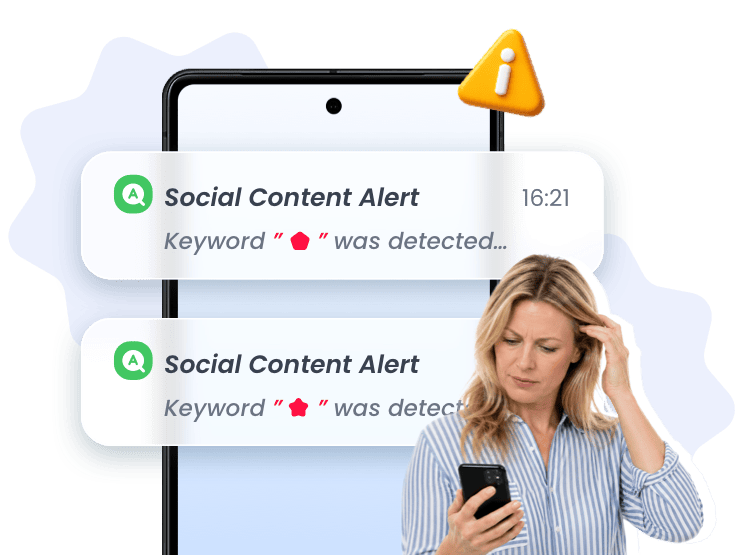
Want to know the moment your child encounters slang like “Tweaking” ? AirDroid sends you an alert when it shows up — before it becomes a surprise.
Trending Slang



Heard Another Word You Don't Recognize?
Search any slang term and go straight to the full breakdown - meaning, risk level, and what to do next.