CEO Romance Short Dramas: How Billionaire Stories Can Distort Teens' Ideas About Love
Your teen watches a short drama about a billionaire CEO rescuing a struggling woman, a secret marriage transforming into true love, or a powerful man controlling every detail of a relationship. One episode becomes ten, and the same themes appear again: wealth, status, jealousy, hidden identities, and dramatic emotional dependence.
These stories can be entertaining, but you may reasonably question the messages repeated throughout them. CEO romance short dramas and billionaire romance short dramas do not automatically create unhealthy beliefs. However, when your child repeatedly see money, power, control, and emotional extremes presented as proof of love, those ideas may become harder to examine critically.
The following examples are real short dramas available through platforms such as ReelShort. Their plots illustrate potentially troubling messages. They do not prove that every viewer will adopt those messages, but they give you concrete material for discussion.
1Wealth Can Be Presented as the Ultimate Romantic Prize
Many billionaire romances connect love with financial rescue and social status. In The Double Life of My Billionaire Husband, Natalie agrees to a marriage arrangement because she needs money for her mother’s medical treatment. Her husband, Sebastian, later turns out to be a hidden billionaire.
The storyline creates a powerful fantasy: a desperate problem is solved when an ordinary woman becomes connected to a wealthy man. For teenagers, repeated exposure to this pattern may make money seem like a central measure of romantic desirability or personal success.

You can ask:
- Would the relationship still seem exciting if Sebastian were not wealthy?
- Does money solve the characters’ emotional problems?
- What qualities make someone a good partner besides status?
The goal is to help your teen understand that financial security can matter in adult life, but it does not guarantee kindness, loyalty, equality, or emotional safety.
2Power Imbalances May Be Romanticized
A relationship can look exciting on screen while being deeply unequal in real life. Playing by the Billionaire’s Rules begins with Becky agreeing to become Nick’s contract lover. The arrangement reportedly includes a $10 million penalty if rules are broken, including falling in love or becoming pregnant.
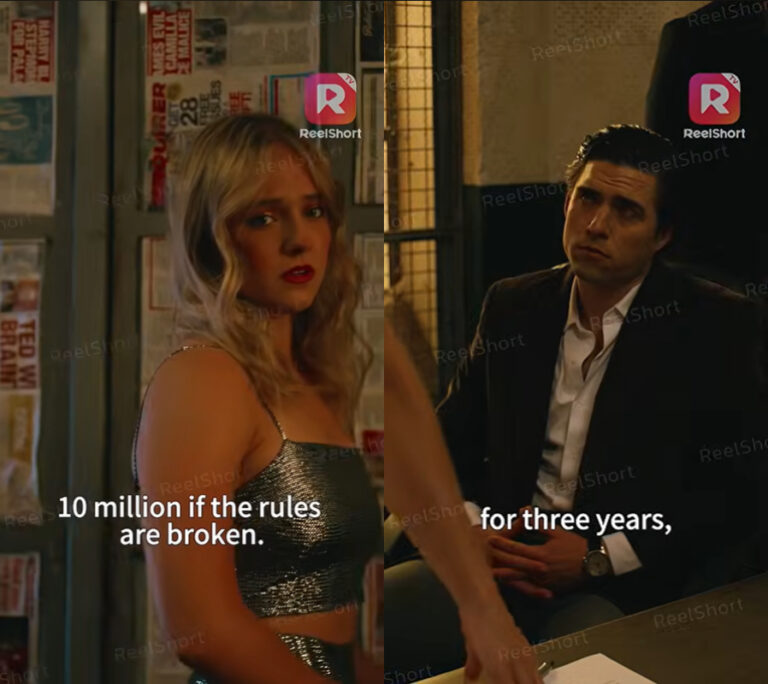
The contract is designed to create suspense, but it also shows how wealth can control another person’s choices. If one partner has the money and the power to impose enormous financial consequences, the relationship is not operating on equal terms.
Teenagers may need help distinguishing a dramatic power fantasy from a healthy relationship. You can ask, “Could both people negotiate freely?” and “What would happen if Becky wanted to leave?” In real relationships, consent must be ongoing, and a partner should be able to change their mind without threats or punishment.
3Possessiveness and Control Can Be Mistaken for Affection
Short dramas often use jealousy, secrecy, and emotional control to keep viewers watching. In The Double Life of My Billionaire Husband, the characters hide important information from one another, while jealousy and family manipulation drive the plot.
These devices may be presented as evidence that the characters care deeply. In real life, however, checking someone’s phone, demanding instant replies, restricting friendships, or using money to control a partner can be warning signs.
A useful question for you is: “Is this character protecting the relationship, or controlling the other person?” The child should know that love does not require constant monitoring, password sharing, isolation, or obedience.
4Transactional Marriage Can Make Unhealthy Arrangements Look Normal
The CEO’s Contract Wife begins with Jasper urgently needing a wife and Chloe urgently needing money. Their needs lead to a contract marriage that eventually becomes a genuine romance.

This kind of plot can make marriage appear like a convenient solution to financial or social problems. It may also suggest that emotional intimacy will naturally develop after people enter a relationship for practical reasons.
Real relationships require honest communication about expectations, finances, responsibilities, and boundaries. Teens may benefit from asking, “What would each person need to know before agreeing to this arrangement?” and “Would either person feel trapped because they needed money?”
5Sudden Transformations Create Unrealistic Romantic Expectations
Billionaire short dramas often compress complicated emotional development into a few episodes. In The Divorced Billionaire Heiress, Aurora is publicly abandoned and left penniless before entering a contract marriage with wealthy heir Ryan. The contract eventually becomes genuine love, while Aurora also reclaims her identity and family company.
Aurora’s personal strength is an important part of the story, but the rapid movement from betrayal and desperation to powerful romance can create unrealistic expectations. Teenagers may begin to expect relationships to involve dramatic rescues, instant chemistry, public revenge, or extraordinary proof of devotion.
You can ask, “What important conversations would take longer in real life?” Healthy relationships usually develop through repeated acts of reliability, accountability, patience, and respect. A grand gesture cannot replace those qualities.
How Can Parents Respond Without Making Teens Shut Down?
A harsh ban may encourage secrecy rather than critical thinking. Instead, you can watch a scene with your teenager and discuss the specific behavior.
You can ask your child:
- “What part of this relationship seems unhealthy?”
- “Does the character have a real choice?”
- “Is jealousy being treated as love?”
- “What would equality look like here?”
- “Would this behavior be acceptable outside a fictional story?”
You should also explain consent, emotional boundaries, and respect in practical terms. A partner should not pressure someone into dating, marriage, physical contact, constant messaging, or financial dependence.
It is also helpful to question the connection between wealth and worth. Ask teenagers which character qualities would remain valuable if the mansion, expensive car, and family name disappeared.
Managing Binge-Watching and Digital Habits
The risks are not only about romantic messages. The rapid pacing of short dramas can also encourage late-night binge-watching and interfere with homework, sleep, exercise, and family time.
Families can agree on reasonable viewing periods, device-free meals, and a consistent bedtime routine. For you who need help applying those agreements, AirDroid Parental Control offers features such as app time limits, scheduled downtime, app management or blocking, and website restrictions.



These tools can support digital parenting, but they cannot determine whether a particular romance is emotionally healthy. Transparent rules and honest conversations remain essential.
The Real Concern Is the Pattern, Not One Dramatic Story
One billionaire romance is unlikely to define a teenager’s entire view of love. The concern is the repeated pattern: wealth as desirability, control as devotion, secrecy as excitement, and dramatic rescue as commitment.
You do not need to treat every short drama as dangerous. Parents do need to help teenagers recognize when fiction turns unhealthy behavior into entertainment. By discussing specific scenes, setting reasonable screen-time boundaries, and emphasizing equality and respect, families can reduce the risk that fantasy romance becomes a template for real-life relationships.











Leave a Reply.