AirDroid Parental Control
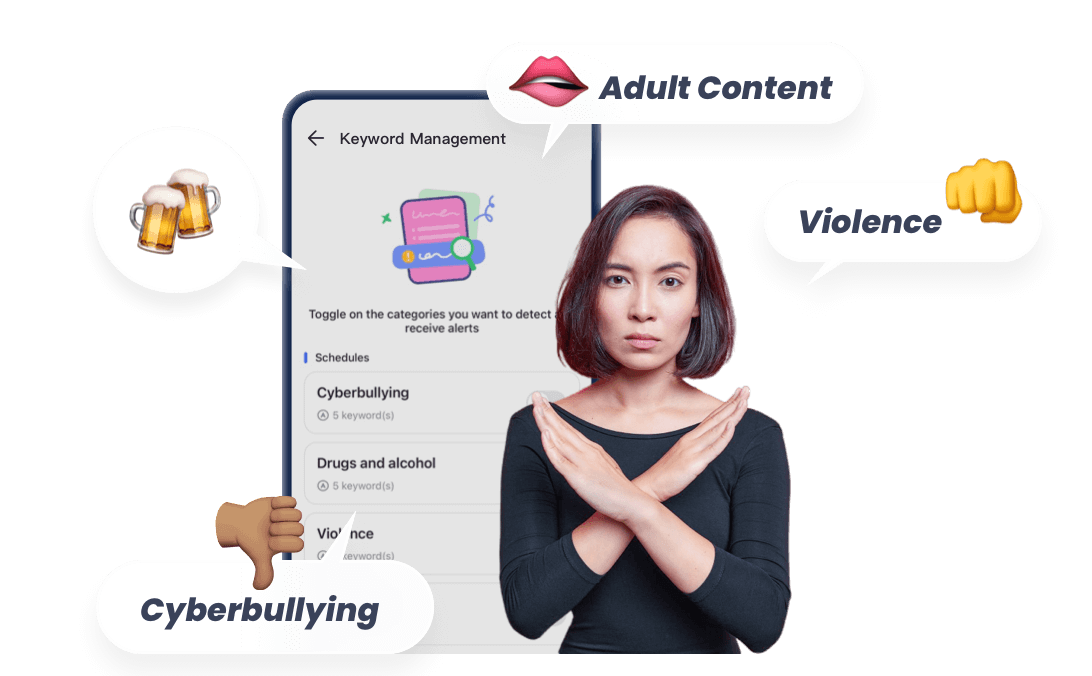
AI-powered content monitor and alerts
- 👀Social Apps & Messages content monitor
- ⚠ Instant Alerts for potential online risks
- 🔞Inappropriate apps and websites blocking
Decoding Teen Slang: A Parent-Friendly Guide to Social Media Trends
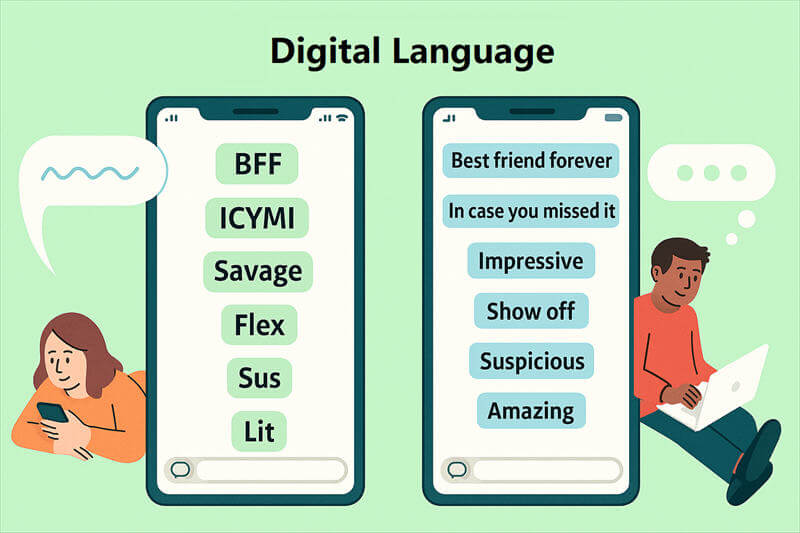
Many parents have reported feeling strange when they check their teens’ social media feeds. To them, words like “rizz,” “drip,” and “sigma” look like a foreign language. So, if you share these concerns, you are not alone.
Social media memes are a new language, and it can feel like you need a translator just to keep up. This is why this guide has been prepared. Consider it your secret decoder ring to connect more with your kids as an updated parent!
Why Parents Should Learn Teen Slang
It Facilitates Deeper Connection with Your Kids: Let's face it. Teen slang and social media memes are not the silly words parents once thought they were. They are a vital part of teen culture: how they express humor, create an identity, and feel belonging within their peer groups.
It Helps to Avoid Misunderstanding: If a parent sees their teen post “ankle monitor” slang on Snapchat, they might become uncomfortable, thinking it’s about crime. But then, it’s just a popular joke, a social media meme about being “on house arrest” for staying in too much.
It Puts You in a Good Spotlight with Your Kids: By learning teen slang and social media memes, you open a door of conversation. It shows your teen you care about their world, allowing for intimate discussions and a deeper understanding of their online life.
How These Terms Appear Across Social Media
Perhaps based on the peculiarities of each platform, teens use slang and memes differently on Snapchat, TikTok, and Instagram. Note that teen slang is the same, but the use slightly differs.
On TikTok: Teen slang trends through viral videos and soundbites. A term like “skibidi” might be used in a short skit or a dance challenge, where the visual context tells you the joke.
On Instagram: You'll see teen slang in DMs, captions, or comments, especially on Reels and Stories. They're used to show a shared joke or reaction as well.
On Snapchat: Things are more private and fast-paced. Teen slang here is often used in quick text conversations or to add a funny caption to a temporary picture, like the "ankle monitor" Snapchat meme.
Common Snapchat/TikTok Slang & Memes (Parent Guide)
1Teen Slang with Potential Risks
- Ankle Monitor: Teens use "ankle monitor" on Snapchat to jokingly describe being stuck at home, often because they are grounded or have strict parents.
- Gyatt: This is a short form for "goddamn" to show approval for someone's figure, especially a woman, with a large and attractive backside.
- Sigma/Alpha: "Sigma" male implies a "lone wolf" type—independent and successful without needing attention, while "Alpha" male implies a dominant leader.
- Delulu: It’s a short form for "delusional." It's often used playfully in TikTok storytimes or Snapchat vents to describe having unrealistic hopes.
2Neutral/Context-Dependent
- NPC: Borrowed from video games, it's short for "non-player character." It describes someone boring, easily manipulated, and following the crowd without independent thought.
- Cap/No Cap: "Cap" means a lie, while "No Cap" means no lie.
- Snapping/Streaks: The core functions of Snapchat, "Snap" is sending images or videos, while "streaks" track the number of consecutive days two people have snapped each other.
- Bet: It means a quick "yes" or "deal."
- Based: Used to praise someone for having an unpopular opinion and standing by it without caring what others think.
3Primarily Funny/Entertainment (Low Risk)
- Rizz: It's short for "charisma." Teens use it to describe a person's ability to charm, flirt, or successfully attract romantic feelings from another.
- Skibidi/Skibidi Toilet: Simply a hilarious social media meme that is trending. It refers to a series of viral YouTube videos featuring singing toilet heads and their enemies, the camera heads. "Skibidi" means cool/bad/weird, like "That dance? Skibidi rizz!"
- Ohio Meme: It is used to joke about a place where a strange or chaotic situation happens, implying it's an unusually weird place.
- Fanum Tax: This term comes from a popular streamer named Fanum. It's a joke about "taxing" or stealing a bite of your friends' food.
- W/L: "W" means "win" while "L" implies "loss." Teens use these letters as a quick way to express a positive or negative outcome.
Common Teen Slang & Memes (Parent-Friendly Table)
| Slang/Meme | Meaning/Example | Platform | Risk Level |
|---|---|---|---|
| Ankle Monitor | Meme about being "grounded." | Snapchat Stories | High |
| Gyatt | Exclamation for curves | TikTok Thirst | High |
| Sigma/Alpha | Lone wolf/dominant male types | TikTok Edits | Medium |
| Delulu | Delusional fantasies | Snapchat DMs | Medium |
| NPC | Boring, scripted person | TikTok Skits | Neutral |
| Cap/No Cap | Lie/truth | All Platforms | Neutral |
| Snapping/Streaks | Quick shares/daily chains | Snapchat | Neutral |
| Bet | Agreement | TikTok Duets | Low |
| Based | Authentic/cool opinion | Comments | Neutral |
| Skibidi Toilet | Nonsense/absurd cool | TikTok Videos | Low |
| Ohio Meme | Weird/cursed events | Reels/Stories | Low |
| Fanum Tax | Stealing food as a "tax." | TikTok Skits | Low |
| Rizz | Flirting charisma | Challenges | Low |
| W/L | Win/loss | Captions | Low |
What Parents Should Do
With the table above, it is evident that teen slang is largely harmless and for fun. So, when you encounter new slang, the goal is connection, not panic. Here’s a simple action plan.
Don’t Overreact: Most social media memes are harmless, playful inside jokes. Don't be thrown by a term like "ankle monitor" on Snapchat. Just take a breather.
Understand the Context: Instead of panicking, ask your teen about it: "I saw this meme, what does it mean in your world?" This way, you have strengthened your bond.
Show Curiosity/Interest: Parents stand to gain incredible trust from their teens by showing interest in their online culture. It transforms you from an outsider into a curious friend.
Use Parental Control Tools: Some apps can help, like AirDroid Parental Control. Tracking risky content helps you see if teen slang comes with concerning behavior, keeping you informed without invading privacy.




Final Thoughts
At this juncture, it should be clear that becoming adept at understanding teen slang is within the parents' reach.
By taking the time to learn, you can decode social media memes and thereby become more intimate with your teens. But then, you need to remember that teen slang and social media memes change fast.
Hence, don’t use this knowledge as a rulebook forever, but as a conversation starter. Just keep the dialogue open, and you’ll navigate this ever-evolving world together, building trust every step of the way.








Leave a Reply.