AirDroid Parental Control
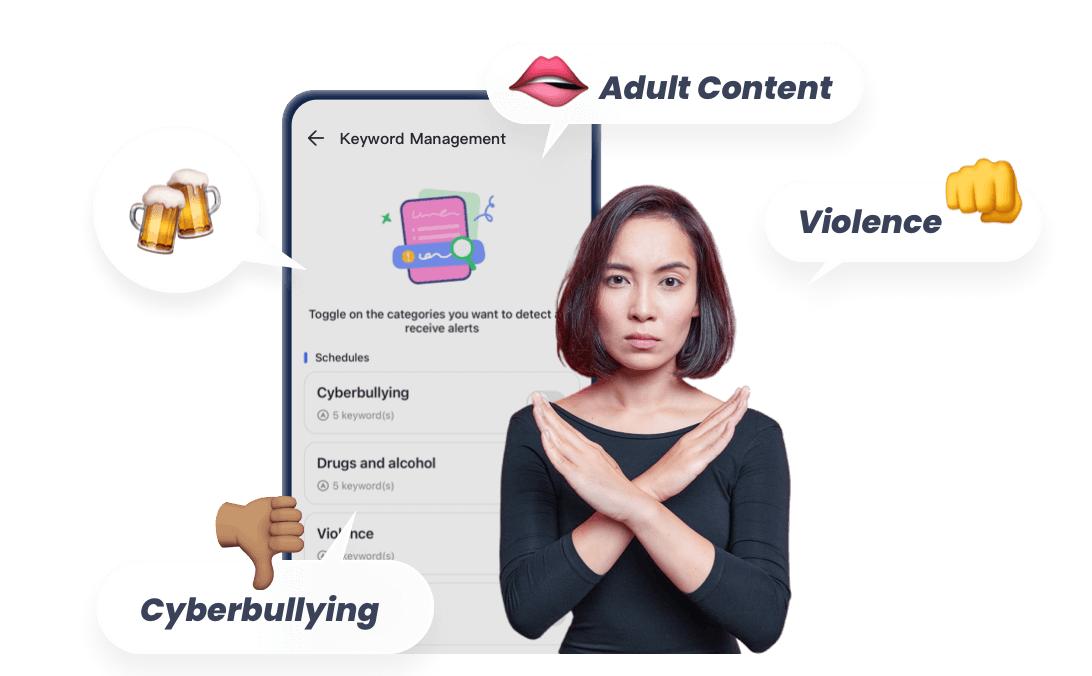
AI-powered content monitor and alerts
- 👀Social Apps & Messages content monitor
- ⚠ Instant Alerts for potential online risks
- 🔞Inappropriate apps and websites blocking
TikTok Slang Explained: What Teens Mean in 2026
Your teen says your cooking is "so AI", and everyone at the table laughs except you. TikTok slang changes quickly, and most lists throw dozens of terms at you with a one-line definition. That's rarely enough to tell what's harmless and what isn't.
This guide covers a handful of terms you're most likely to hear right now. For each one, we explain what it means, where it comes from, and how to read the tone behind it.
| Term | What it means | Should parents worry? |
|---|---|---|
| Maxxing | Going all-in on improving something | Depends on what's being maxxed |
| That's so AI | Something feels fake, cheap, or unbelievable | Harmless |
| Polyester | Low-quality or fake-fancy | Mostly harmless, a mild insult |
| Quiet on the creek | Keep things low-key | Harmless, but context can change the meaning |
| 6-7 | Nonsense said for fun | Harmless |
| I can't do Nathan | Dramatic "I can't deal with this" | Harmless |
Part 1. TikTok Slang Terms Explained for Parents
Miss a few weeks of TikTok and it can feel like you've missed a whole language. Teens pick up new trends almost overnight, and by the time we've caught on, they've often moved on. To help you keep up, I've rounded up the terms popping up lately and broken each one down: what it means, where it came from, and whether you need to worry.
1 Maxxing: Going All-In on Everything
Maxxing: Dictionary.com's 2026 Word of the Year
"Maxxing" means trying to get the most out of something—your appearance, a habit, or almost any activity. Dictionary.com named it its 2026 Word of the Year after finding that usage in August was nearly 19 times the 2025 monthly average. It has become a flexible expression that can be serious, playful, or both.
The term has roots in gaming's "min-maxing", where players optimize a character's abilities. The double-x spelling later spread through online forums, including looksmaxxing communities linked to the "manosphere" (male-focused online spaces), before reaching a much wider audience on social media.
On TikTok, adding "-maxxing" can make an ordinary activity sound like a major mission. Working on your bedtime routine? That's "sleepmaxxing". Spending Friday night under a blanket with snacks? You could call it "cozymaxxing". Sometimes, the exaggerated commitment is the whole joke.

Should parents worry? "Maxxing" alone isn't a warning sign. However, some online creators fuel appearance insecurities and promote increasingly extreme ways to "improve" someone's looks. Appearance ratings and pressure to meet unrealistic standards can become part of that content.
Wanting to look good is normal for teenage boys and girls. What deserves closer attention is how these messages affect their everyday behavior. If your teen starts severely restricting food, taking unprescribed drugs, or trying unsafe methods to change their appearance, step in and seek appropriate support. Our [looksmaxxing guide] takes a closer look at online appearance ratings, related trends, and the warning signs parents should recognize.
2 That's So AI: Calling Something Fake
That's so AI means something feels fake, cheap, or unconvincing—even when no AI was involved. As AI-generated images and videos have become more familiar, AI has also become a handy label for things that seem a little off.
Part of the appeal is how easily it fits into a joke. Kids can use it to question an unbelievable story, roast a suspicious-looking ad, or tease a friend about an obviously edited photo. It gets the point across in three words without needing a serious explanation. So if your teen calls your cooking "so AI", they may just be joking that it looks too strange—or too perfect—to be real.
Should parents worry? Not really—it's usually just a casual reaction or a joke. There's no need to make a big deal of it, though it's worth reminding kids that something looking convincing online doesn't make it real.
3 Polyester: The Fabric That Became an Insult
An 18-year-old shared his dream adult life: a penthouse, a 6 a.m. wake-up, blue-light glasses, and "deep work". One popular comment summed it up as a “polyester lifestyle”—a polished vision that sounded more like a performance than a real life.
Polyester borrows the associations of cheap, synthetic fabric to describe something generic, artificial, or trying too hard to look expensive. The joke works because you can almost picture it: a lifestyle that looks luxurious on screen but feels flimsy up close.
It's easy to apply to an outfit, a video, or someone's carefully curated online persona. Calling something "polyester" is less "that's a lie" and more "that's not as impressive as you think".

Should parents worry? Usually, it's just a snarky comment. It becomes unkind when someone uses it to shame a classmate for their clothes or what their family can afford.
4 Quiet on the Creek: The Fishing Tip That Became a Meme
Quiet on the Creek: A rapper's offhand remark, turned into a song
It started when rapper Saucy Santana, eating on a TikTok Live, explained that as a kid he'd say "quiet on the creek" while fishing, because you have to stay quiet or you'll scare the fish. He meant it literally. After people added an explosion sound to the clip, it took off, and he turned it into a full song. Memes were everywhere by mid-July.
It spread because it sounds like it must mean something deeper, and it doesn't. Many memes play on that: someone promises to reveal the “real meaning” and then breaks into a dance, or the phrase gets paired with cartoon characters tiptoeing around. Some people half-seriously read it as “keep your business to yourself.” The fun is in hunting for a meaning that isn't there.
Should parents worry? Generally, no—it's usually a joke or a reminder to keep something low-key. Your teen may simply be quoting the sound, so there's no need to assume they're hiding anything.
5 67: The Number With No Meaning
"67" is pronounced "six seven" not "sixty-seven". If you've heard your child shout it and then laugh without explaining why, you haven't missed a secret definition. As a meme, it has no single, agreed-upon meaning.
The phrase spread from Skrilla's song "Doot Doot (6 7)" into basketball edits, including clips of NBA player LaMelo Ball, who is 6 feet 7 inches tall. Kids began repeating it with both palms facing up, moving their hands alternately up and down like a pair of scales.
Almost anything involving those numbers can set it off: page 67, a score, or someone saying six or seven. Recognizing the reference—and getting friends to join in—is often the whole point. Adults looking confused can make it even funnier.
6 I Can't Do Nathan: Wait, Who's Nathan?
There's no Nathan to figure out here. In a Fortnite video by YouTuber Blitzerz, a frustrated young player says, "I can't do nothing!" His pronunciation makes "nothing" sound like "Nathan", prompting the reply: "You can't do Nathan? Who's Nathan?"

That exchange became a TikTok sound, spreading through gaming clips, animations, and captions about everyday frustrations. A pile of homework or another exhausting school day suddenly becomes an "I can't do Nathan" moment.
The strange wording makes an ordinary complaint funnier. Teens might use it to mean “I can't deal with this,” or simply repeat it because they recognize the clip.
Should parents worry? No need to read much into the phrase itself—it's usually playful frustration. Just avoid joining in if the joke turns into mocking someone's accent or the way they speak.
Part 2. Keeping Up Without Reading Every Message
Slang will always change faster than any guide can keep up, and most of it is harmless. The more useful skill is noticing when a word is just a joke and when it points to something your teen is struggling with.
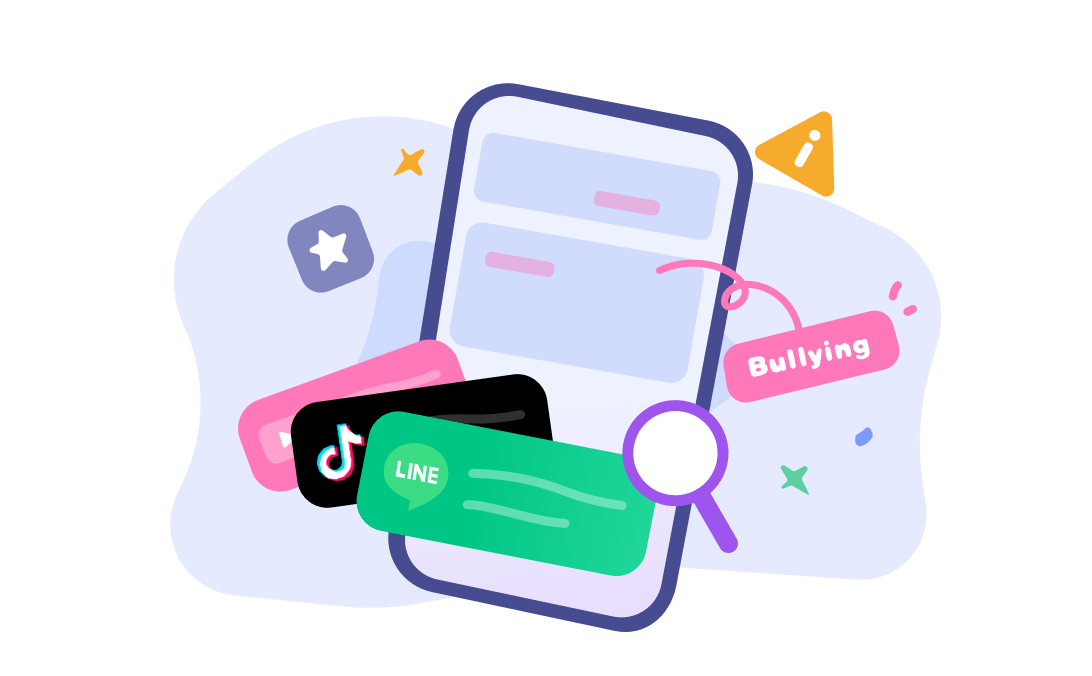
If you'd like some help, AirDroid Parental Control's Social Content Detection lets you add custom keywords and alerts you when they appear in supported social apps, including TikTok, YouTube, and Instagram on Android. It only watches for the words you set and sends you the relevant snippet, rather than every message. Choose the few that concern you, like “looksmaxxing,” not every word in this guide.
Ask your teen to show you what's actually in their feed. Unfollow appearance-rating accounts together, use "Not interested," and set reasonable time limits on Instagram, YouTube, or TikTok — especially at night.
Some families want more structure than conversation alone can provide, especially with younger teens or a feed that's already spiraled. Tools like AirDroid Parental Control can help manage app use and screen time.
Explain it to your teen first, and let them help choose the words. An alert should start a conversation, not prove anything.









Leave a Reply.