AirDroid Parental Control
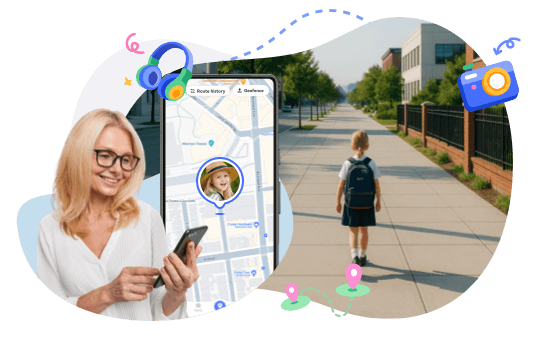
All-in-One Tool for Real-World Child Safety
- 📍Real-time location & route history
- 🔍Live surroundings check
- 🔔Geofence alerts on daily routes
- 🆘One-tap SOS with ambient audio
What to Do If Your Child Isn't Home on Time
A child not coming home when expected often leads to worry. Parents often get stuck deciding whether to take action or how long to wait. Most delays are benign, but some require prompt, careful action. Having a plan can help keep parents calm and make smart decisions.
This guide will help parents know when to take action, who to reach out to, and how to prepare for the upcoming delays. The primary purpose is to help parents feel at ease and confident as they try to keep their kids safe.
4-Step Emergency Check When Your Child Isn't Home on Time
Taking quick and calm action matters when a child is late. There are four simple steps that help assess the situation and determine the best course of action without panic and delay.
1. Stay Calm and Do a Quick Check
The first, and most important, step is to stop and take a breath. It's challenging to think when you are feeling panic. Taking a moment to breathe allows you to think logically before taking any actions.
Ask yourself these questions:
All of these factors help the parent determine whether the situation is just a normal delay or an after-school safety issue related to the child's safety.
2. Contact Your Child First
If you think something goes wrong, before anything else, try to get in contact with your child. Usually, the concern ends here. Try to call or message your child and keep your tone calm. Make sure you don't sound angry or frightened.
You can call them send a text message, and message them on WhatsApp.
If they reply, ask simple and clear questions:
- Where are you right now?
- What are you doing?
- When will you be home?
Pay careful attention to their responses. Being clear and relaxed is a positive sign that they are okay and that nothing serious is going on.
However, if they are not answering your calls or texts, the situation is a cause for concern. Due to this silence, you should move to the next step of the plan, even if they're not in danger.
3. Check Their Location and Route History
Now, think about the route your kid usually takes from school to home. After the school bell rings, kids usually take the same route every day. Knowing this helps to identify anything unusual.
Think about whether they could have stopped: At their friend's house, a park, or at a store.
Apps and maps can help determine whether your child's route looks normal. If your child is taking the same route to get home each day, check to see if:
- They are off their normal route
- They have stayed in one place for too long
If you previously set up location sharing, this is generally the quickest way to see what is happening and track your child's location.
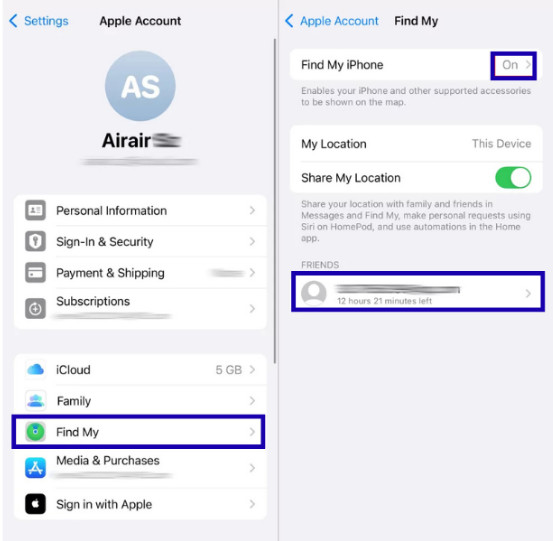
On iPhone: Open Find My → Select your child's device → Check their live location
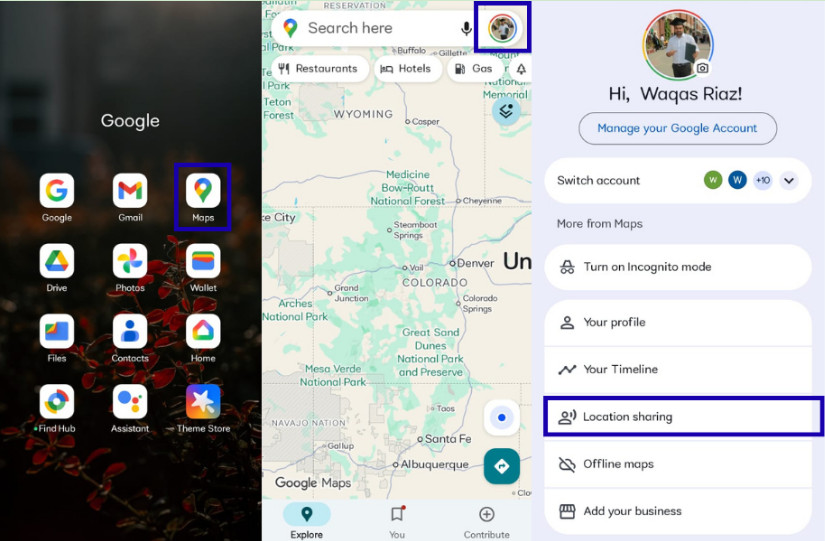
On Android: Open Google Family Link or Google Maps (Location Sharing)
You can see:
- Their current location
- Their current activity (moving, standing, or resting)
- If they have stopped somewhere for a long time
4. Check Surroundings and Sounds (If Location Isn't Available)
When calls, messages, and live locations don't work, technology helps you to decipher what can and what could be happening with your child, so you can move to the next step with all the clarity you need.
AirDroid Parental Control is an all-in-one safety app specifically designed to assist concerned parents during times of uncertainty. It is recognized by various child safety and parenting organizations, including kidSAFE, National Parenting Product Awards, Mom's Choice Awards, and The National Parenting Center.
In instances where location data is missing, AirDroid Parental Control is still able to assist you by:
- Live Monitor Surroundings around Children: Monitor your children's surroundings via their phones in real time.
- Live Listening: Hear their surroundings to ensure their safety without interrupting their day.
- Battery Check: Show the battery status of the phone to explain why you might have lost contact.
- Track Live Location: See current previous locations of the phone to give you a better idea of the places the child might have visited before location tracking was disabled.
- Geofencing: Receive real-time notifications when your child arrives at or departs from a location you have set.
- Screen Checking: See the phone's screen so you might find clues as to why the phone is unresponsive.




When properly set up and used responsibly, AirDroid Parental Control can help parents make rational, well-informed decisions when they cannot communicate.
Who Should You Contact if Your Child Isn't Home?
When the clock is ticking, and you haven't contacted your child, knowing who to contact can save you precious time. Let's look at how to involve those who will provide you with dependable and prompt guidance and information.
You should take further action if:
- Your child's phone is off or has no signal
- Their location has not changed for a long time
- You cannot contact them at all
- They are much later than usual
These signs suggest it might be time to involve others and follow clear lost child steps.
1 Contact the School or After-School Activity Teacher
Think about the last place your child was expected to be.
Call or ask the school office, their teacher, coach, or activity supervisors.
Try to get answers to the following:
- Did my child leave on time?
- Did they say they were going somewhere else?
- Was there anything out of the ordinary today?
Parents sometimes miss the little things, but schools and activity leaders often notice details that parents may miss.
2 Contact Your Child's Friends or Their Parents
Kids will often hang out with their friends without telling any adults.
Try to call or text:
- Best friends
- Classmates
- The friends' parents
Ask them if they have seen your child recently or if they have any idea where they may be. This step often provides quick information when a child isn't home on time, and the situation is harmless.
3 Ask If Anyone Is With Your Child or Saw Them Recently
If you still haven't found anything, try looking into more sources. You can ask neighbors, people who work at nearby shops, or crossing guards and security personnel
Share the following:
- What outfit was your child wearing?
- What time did they leave?
- What route do they usually take?
These minor details can aid in constructing a timeline that supports your next course of action.
4 Contact Local Police
If, after all your inquiries, there are still no leads, it is time to call the police and provide them with all the information you have, including detailed addresses and routes.
If you need help, you can dial:
- 112 for all of Europe and some Asian countries
- 911 for the USA
Timing is very important in urgent situations. Here's the list of emergency telephone numbers.
When people are nervous or are in a rush, there are things they can do that will only make things worse. Staying calm and not panicking is usually the best course of action.
What Not to Do
How to Set a Safe Routine for After School
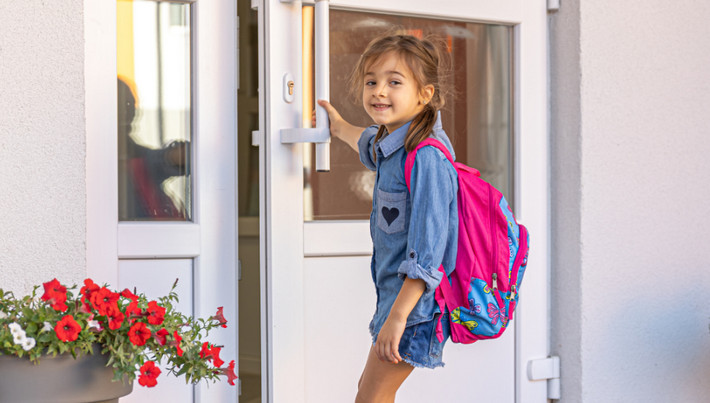
Having a set routine after school creates a sense of security for kids and allows parents to stay updated. Simple things like setting guidelines, straightforward rules, and clear communication provide peace of mind when plans change.
1. Set a Clear “Home Time” Rule
Clear rules reduce confusion and stress. Make sure your child knows:
- When they should normally be home
- When they must tell you if they will be late
Example: “If you're not home by 5:30, you need to message or call me.”
Having this rule helps ensure after school routine safety.
2. Agree on the Usual Route Home
Parents should discuss with their child:
- What route do they take home
- What areas should they avoid
- Places they can get help, such as stores, schools, or known houses
If your child suddenly leaves this route without telling you, it becomes an early warning sign, and it is important for you to remember child supervision tips.
3. Set a Simple Check-In Habit
Constant updates aren't necessary. A few quick messages are enough:
- “Leaving school now.”
- “On the way home.”
- “Got home safe.”
This little habit can prevent a lot of panic and improve child safety planning.
4. Talk About “What If” Situations
Calmly and honestly discuss the “what ifs” with your child:
- What if your phone battery dies?
- What if you don't catch the bus?
- What if someone makes you feel unsafe?
One thing needs to be very clear:
“If something feels wrong, call me first. You won't be in trouble.”
This helps children stay calm and at the same time supports safety for children.
Conclusion
When a child is not home on time, it is time to think rationally and act quickly. Having a plan in place helps parents stay calm rather than panic. Simple routines, open communication, and knowing who to contact can reduce fear and confusion.
Tools like AirDroid Parental Control can also support parents by providing location details, alerts, and extra awareness when communication fails. With preparation and the right child safety awareness, parents can handle these moments with more confidence and better protect their children.
FAQs About Your Child Isn’t Home on Time











Leave a Reply.