AirDroid Parental Control
All-in-One Tool for Real-World Child Safety
- 📍Real-time location & route history
- 🔍Live surroundings check
- 🔔Geofence alerts on daily routes
- 🆘One-tap SOS with ambient audio
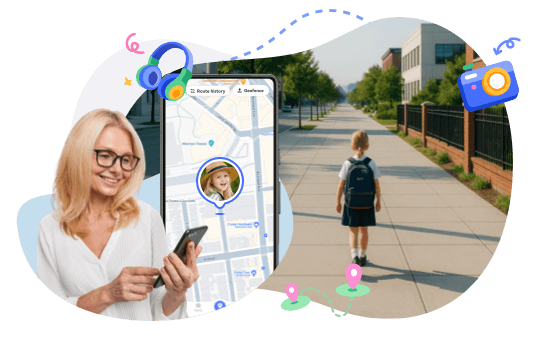
How to Check Your Child's Surroundings When They Don't Answer
Well, location tracking is extremely useful for reducing anxiety whenever they don't answer phone calls. But sometimes your anxiety doesn't stop there. "Who are they with? Is there a weird crowd nearby? Why aren't they picking up?"
This time, location tracking alone is not sufficient to provide the full safety assurance you need. You need eyes and ears on the ground.
So, this guide is here to bridge the gap between "knowing where they are" and "knowing they are okay."
Why Location Alone Isn't Always Enough?
Location tracking alone is not enough to verify your child's safety whenever they don't take calls for the following reasons:
1Location can't reveal who is with your child
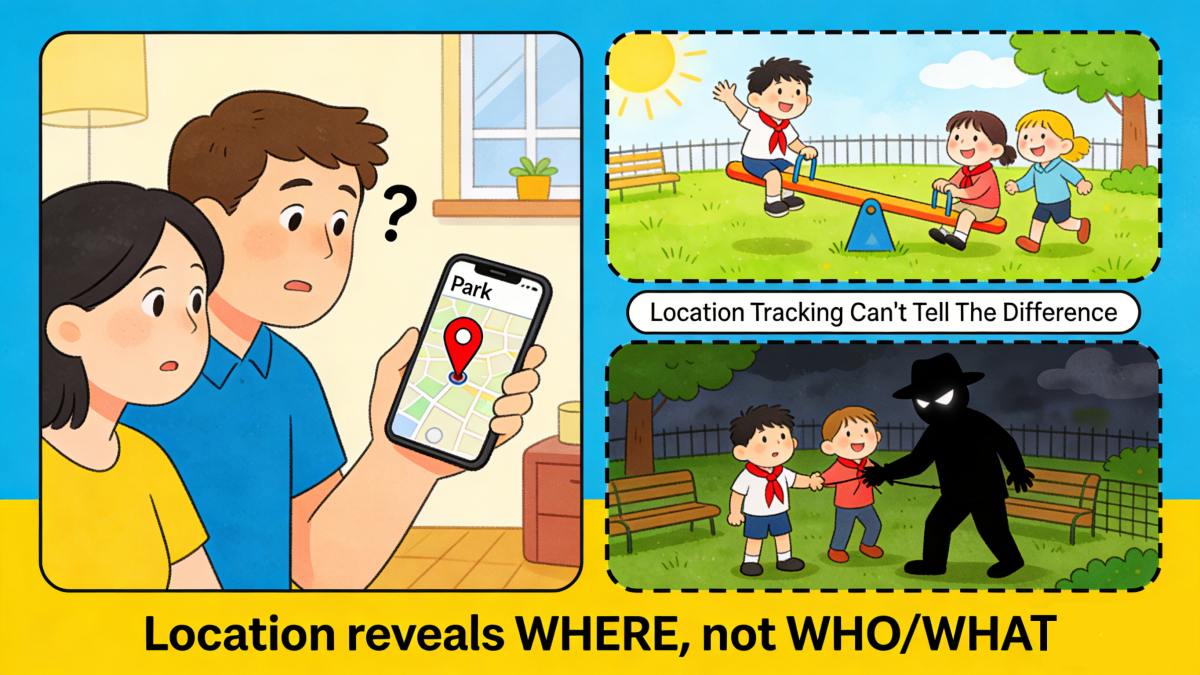
Location tracking is to reveal where your child is exactly, not to show who they're really with or what surrounds them.
Picture this: the map shows your kid is "at the park"—but it doesn't distinguish between playing seesaw with friends and being lured by a stranger. Though it is a familiar and public spot, in grooming or abduction cases, predators often target those places, like a park or mall.
And there is no way you can know that by depending only on location tracking.
2The map can't distinguish between safe and dangerous
A pin on the map can represent different situations—a safe one and a risky one. For example, a community park is a vibrant spot for kids during daylight hours, but after dark, it can be an empty and unlit area with risks.
And when you see your teen is at a friend's house, who knows if it's a normal hangout or a party with substances?
3Location can't tell you what they're doing
Similarly, tracking your child's location doesn't explain why they're unreachable. Are they in the middle of an activity and didn't hear the phone? Or are they in a situation where answering isn't appropriate? Location alone can't answer these questions.
4Location can't account for emergencies
The blue dot on the map is static, but the world around your child isn't, and emergencies come without warning.
If they are injured in a fall at a playground, or are experiencing heatstroke on the road, is knowing their GPS location alone enough to step in in time? No, it won't alert you to these unexpected cases.
Beyond Location: See and Hear What They Do
When a call goes unanswered, that location information often isn't enough. This is where AirDroid's "Remote Camera" and "One-Way Audio" features come in.
- Remote Camera: Lets parents remotely see what surrounds their child's location when worrying about their safety.
- One Way Audio: Empowers parents to hear the sounds near their child's device by accessing the microphone remotely.
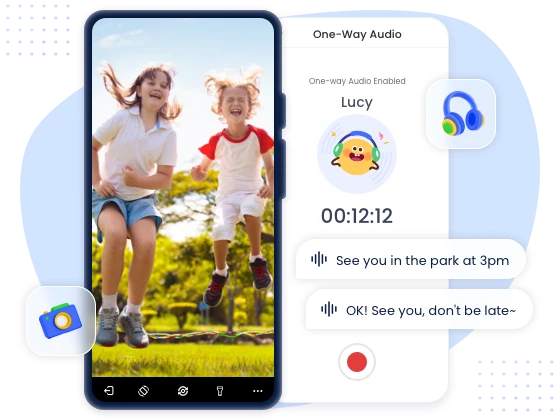
These two work together to make it easier for you to know what's happening in their surroundings when they don't answer. And you can quickly verify their safety by revealing what they are doing, who they are with, and how safe or dangerous their environment is.
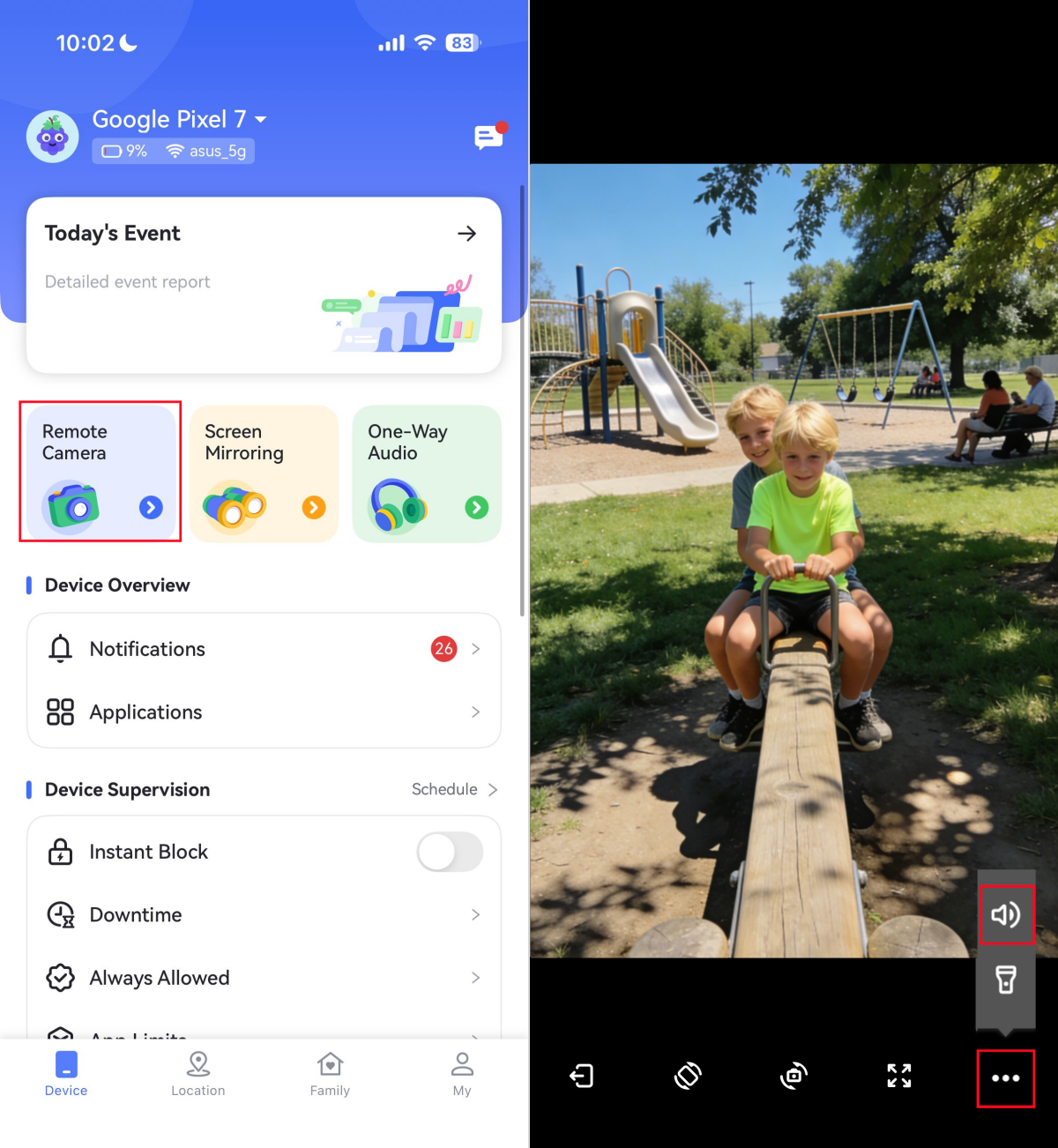
Wondering how that is possible? Follow these steps below:
- Step 1.Download AirDroid Parental Control first.
- Step 2.Open it after installation and connect your child's Android with a binding code.
- Step 3.Once done, tap on "Remote Camera" to see if their environment is safe.
- Step 4.To hear what's around them, you can directly tap the "three dot > microphone."
Situations Where Surroundings Matter More Than Location
When a child doesn't answer calls or messages, checking their location is usually the first instinct. But...when it is in the following situations, surrounding checking is more powerful:
When Your Child Is Out but Not Moving
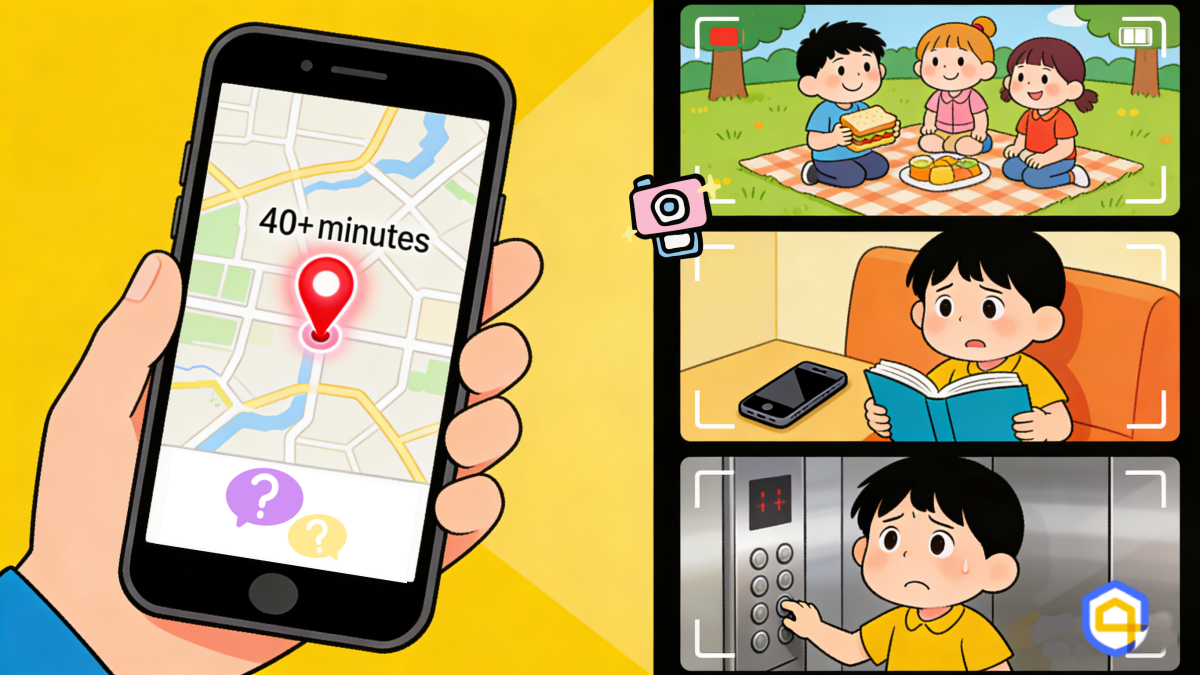
The location doesn't comfort you when your child's location hasn't moved for over 40 minutes, and they aren't picking up the phone. This can be either reassuring or unsettling.
Fortunately, you can see their surroundings through the Remote Camera. As such, you'll be able to know whether they're with others, actively engaged, or in an uncomfortable situation.
When They Are Somewhere "New"
Your child usually goes straight home after school. Today, the map shows an unfamiliar place that's far from your neighborhood. You can not know if they went there on their own or were taken there by someone else.
But, if you are able to hear and see from this location, you'll be able to conclude whether this new location is safe or not and act immediately.
Proximity to High-Risk Zones
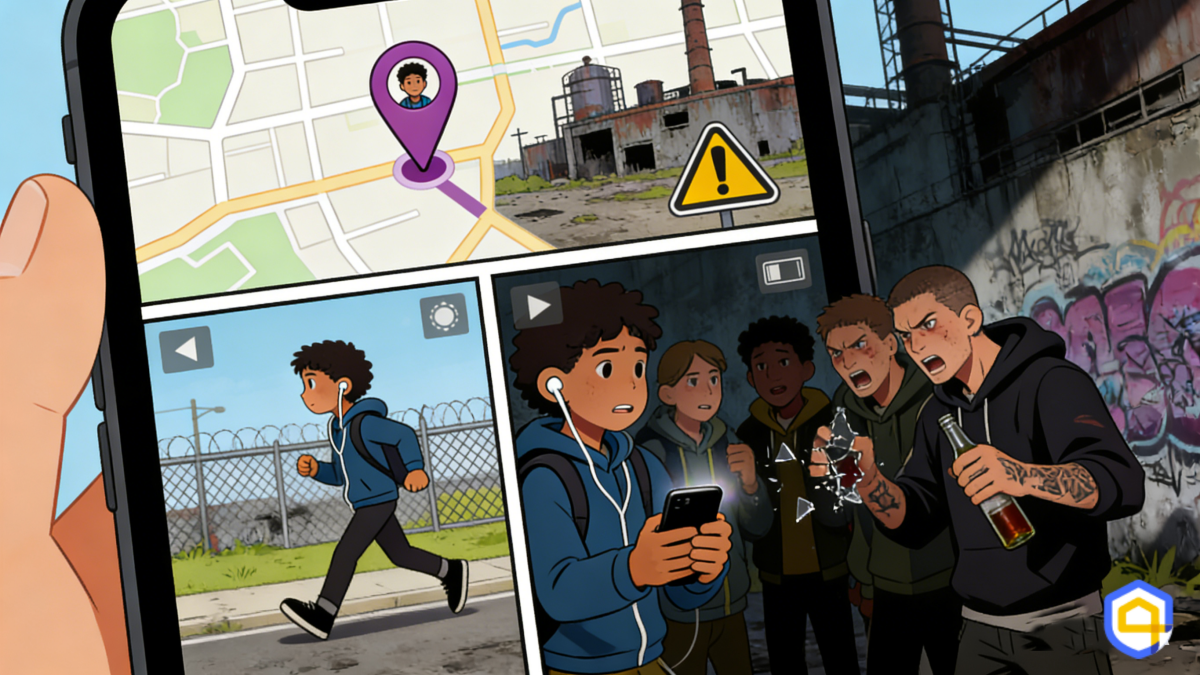
When you see your teen is half a mile from an abandoned industrial zone, or high crime areas, you won't know whether they're just passing through or hanging out with the wrong crowd until you hear and see their surroundings.
Something Feels Wrong During the Call
Here is a bad but classic scenario: if your child is being bullied or cornered, they cannot answer the phone. Even worse, a ringing phone might actually escalate the danger.
Instead of calling, use the One-Way Audio feature to record their surroundings as evidence and take immediate actions if needed.
It's Protection, Not Spying
I know you must have been wondering if I started verifying my child's environment, won’t that violate her privacy?
Context matters.
If you do that in specific moments, like when your child isn't answering, is late getting home, or may be in trouble, you're simply protecting them.
Even so, make sure you have an open communication about these tools before you start using them. That way, your child will know that the tools are meant for their safety. Surely, as a parent, avoiding all-day monitoring is also important.














Leave a Reply.