AirDroid Parental Control
All-in-One Tool for Real-World Child Safety
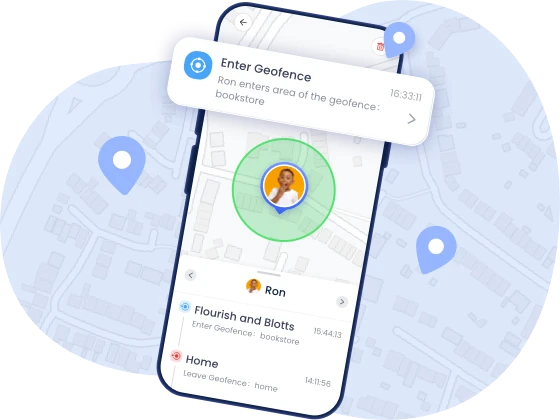
- 📍Real-time location & route history
- 🔍Live surroundings check
- 🔔Geofence alerts on daily routes
- 🆘One-tap SOS with ambient audio
What to Do If Your Child Muted or Blocked Your Calls
You call your child once. No answer.
You call again. Same result.
First, you think, they're probably busy.
Then, you think, are they safe? (Confirm their safety here>>>)
And then — did they mute their phone? Or did they block my calls? Or did I do something wrong?
Well, it is natural to start thinking this way. In this guide, we'll help you decode the silence, understand the difference, and show you how to reconnect with your child.
Muted vs Blocked: What's the Difference for Parents?
When your call can't go through, it's easy to assume that you're blocked. But "muted" and "blocked" aren't the same thing, especially for parents.
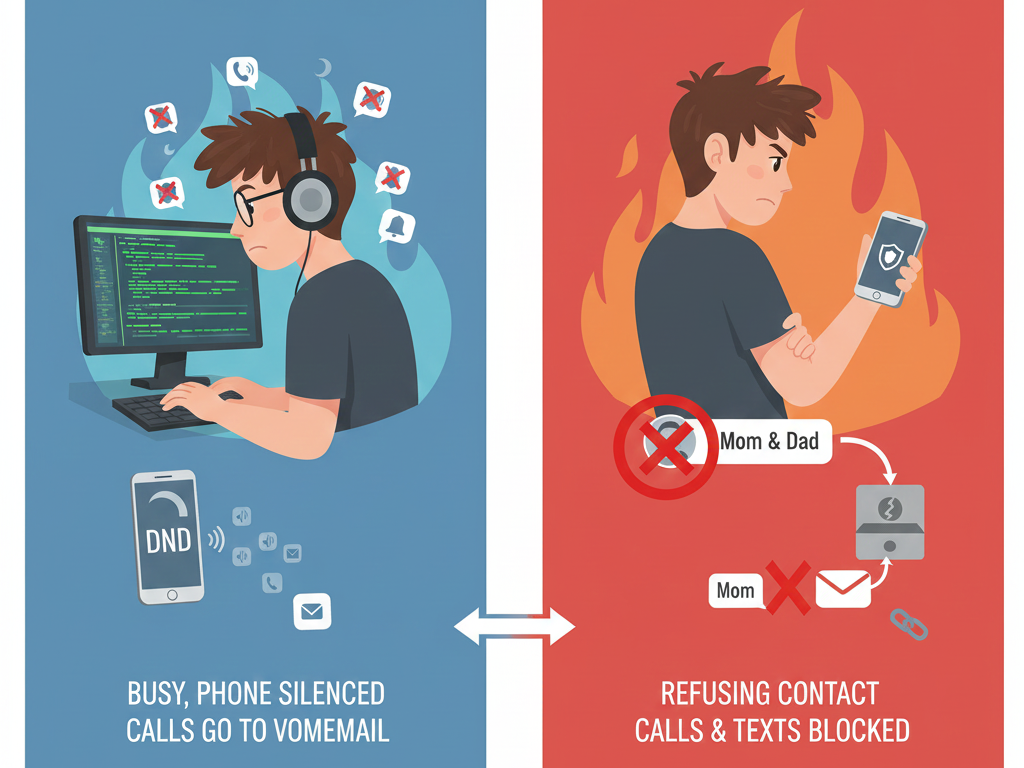
🔕Most of the time, kids mute their phones mainly because they don't want to be interrupted during class, sports, hanging out with friends, etc. And during this period, their phones will stay silent or not ring when anyone calls them.
🚫Blocking, on the other hand, is a deliberate act whereby they restrict you from calling them. And their call won't even connect at all.
Now, how will you know if your child blocks or mutes your call? It is pretty simple:
| If you're muted under DND | If you're blocked |
|---|---|
|
|
Why a Child Might Mute or Block You
Generally, for children, muting is a way to reduce interruption, while blocking is an intentional decision to cut off communication.
Now that you know what exactly it means for a child to block or mute your call, let's look at the reasons your precious ones have decided to do so.
1Focus & Reduce Disruption
Your children can actually mute your call or everyone's call if they need to focus and reduce distraction. For instance, how do you expect them not to mute a call and notification if they're in a place like a library or a classroom?
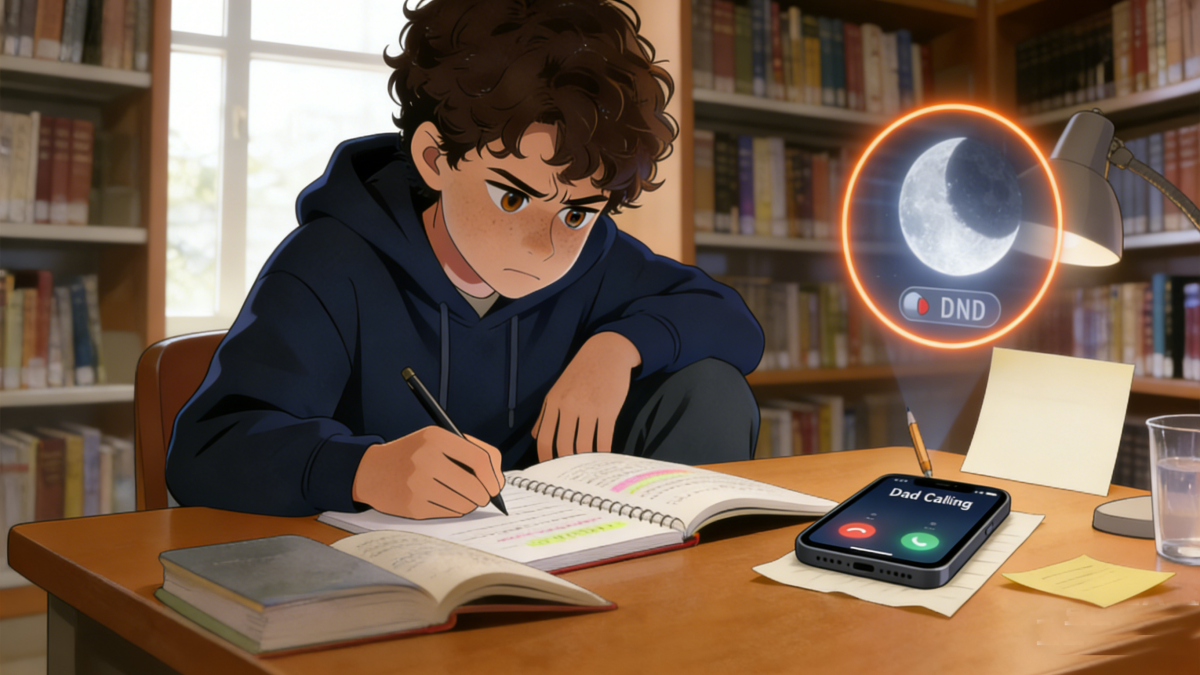
Some kids might even go as far as muting or hanging up their parents' calls when they're about to get involved in an activity like gaming that requires their full focus on their phone.
2After A Conflict or Argument
This is often the most emotional trigger behind being blocked — and the hardest one for parents to admit.
Perhaps you just had a fight about grades, curfew, or chores. Your kids often feel powerless against your logic or authority in an argument. Hitting the "Block" button — or slamming a door — is one thing they can control.

Or if every phone call from you ends in lectures instead of listening, blocking becomes a way to avoid being judged and block the stress.
3They're Seeking Independence
Older kids, especially those in adolescence, are looking for independence. If you call 10 times a day to ask "Where are you?" or "Did you eat?" the phone feels like a digital leash.
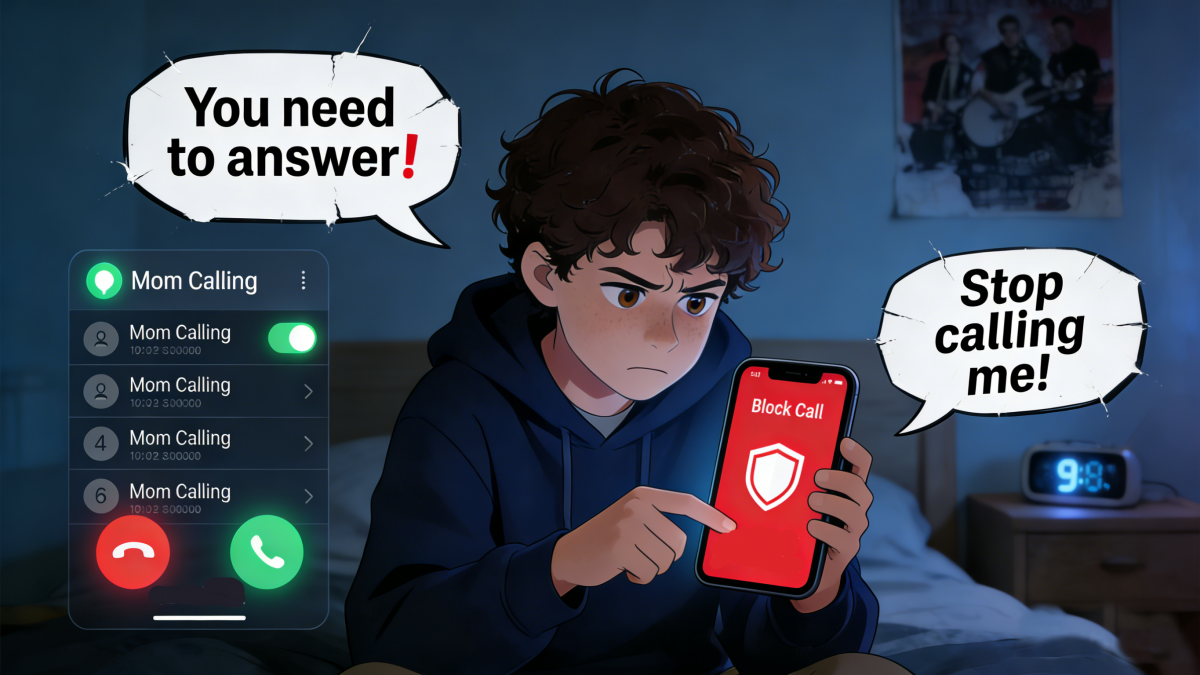
Moreover, this makes them feel over-monitored, especially if every missed call leads to follow-ups, questioning, or consequences. So, blocking you is their way of reclaiming a little bit of freedom.
4Peer Pressure
Peer pressure can also make your child mute or block your call.
Imagine, your child is playing with their friends, your call comes in, they pick up and answer with "Yes, Mom, I'm fine" in front of others. How embarrassed would they be?
So to prevent such a situation, they'll quickly block or mute your calls as soon as they get to their friend's place.
What NOT to Do When You're Muted or Blocked
There are certain things you need to avoid if you discover that "No Answer" is because your child blocks or mutes your call. And part of them are:
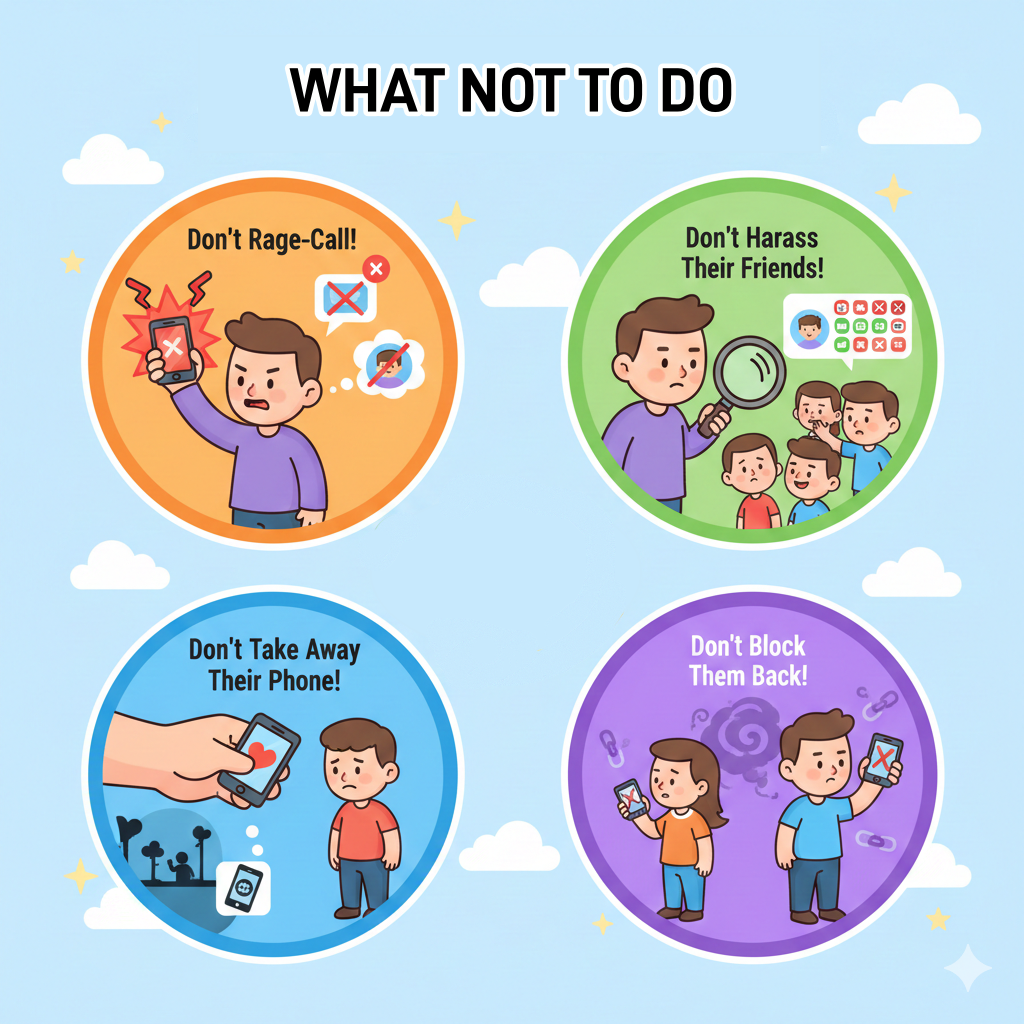
Stop "Rage-Calling"
I know it can sound so disrespectful to discover that you're blocked by your loved ones.
However, don't start calling them aggressively with another number or send harsh messages to them on social media. This validates exactly why they blocked you in the first place.
If they blocked you because they felt overwhelmed or micromanaged, spamming them proves them right. Instead, respect their decision and give them time.
Don't Overwhelm Their Friends with Calls
Most times, kids like keeping their personal matters private, and they don't like getting their friends involved. If you keep calling their friends to report or find them, it only puts pressure on their friends. And this can make them withdraw from you further.
Don't Take Away Their Phone
A parent once said, "if I buy the phone and pay the bill, it's so that I can be able to contact you. If I can't contact you, then there's no reason for me to continue to pay for the service."
I know you must have also come across this kind of advice several times online. However, this is not the right thing to do at all.
Yes, it punishes them, but it also severs your relationship, escalates your conflicts, or even makes them push you away. This approach could even put them in danger. Imagine if they actually get into trouble, they can't call for help.
Don't Retaliate
I know it may get to a point where you may feel like you should retaliate and block them back. But, no matter how bad the situation is, don't ever do that. Retaliation can also escalate the conflict. Moreover, isn't this a form of self-punishment?
What to Do Instead If You're Blocked
Rather than the above mistakes, stick to any of the tips below to reconnect and rebuild your relationship.
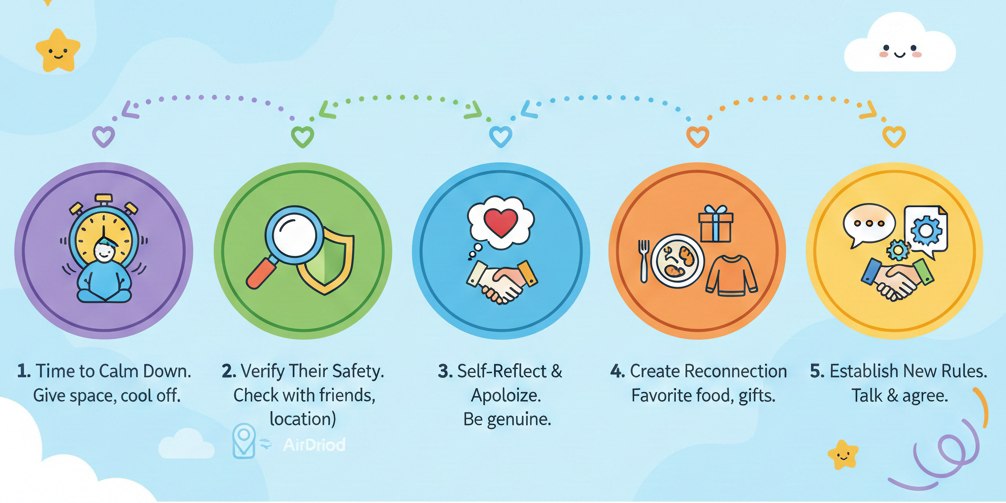
Take Time to Calm Down
It's hard, but sometimes the best thing to do is just give yourself and your child time to cool off. They might need a break and space to process their emotions and sort things out.
Meanwhile, this is helpful for you to avoid making emotional decisions. Also think deep and review your recent interactions—did you over-control, dismiss their feelings, or invade their boundaries?
Verify Their Safety
Before you demand they pick up, nothing is more important than confirming their safety.
After being blocked, reach out to their friends, review their social media activities, and check their location to ensure they're safe. This action will give you peace of mind while you're still respecting their boundaries.
To check their location and verify if their surroundings are dangerous, AirDroid gets your back. Click here to try it for free.
Self-Reflect and Apologize Sincerely
If you discovered that your child blocked you due to a heated argument you started, then look inward and find a way to apologize to them sincerely.
While kids can be emotional, they also forgive easily, especially when they know your apology is genuine.
Create Opportunities for Reconnection
No matter how disrespectful you may feel, you, as a parent, have to create an opportunity for reconnection and rebuild your relationship.
Care about what to do? You can start by leaving their favorite meal, preparing warm clothes, or their favorite gifts. This gesture alone is enough to let your child know you care about them and ease tensions.
Establish New Communication Rules
After some time has passed and things have calmed down, it's helpful to talk about how you'll communicate going forward.
Setting clear rules about when and how to reach out can help both of you feel respected and avoid constant conflicts. For instance:
- Agree on when to call and when they may mute.
- Set limits on how often you'll check in.
- Talk about how to handle disagreements in the future, instead of blocking.
- Reduce lecturing and replace serious talks with shared activities.
Wrap Up
Whenever you notice your child doesn't answer your call and even mutes or blocks you, don't scold them or take their phone away from them, as many parents recommend online.
Instead, first confirm if they're safe. After that, create an opportunity for both of you to reconnect by apologizing for your mistakes. Once that's done, set new communication rules to eliminate conflicts and misunderstandings between you and your kids in the future.













Leave a Reply.