AirDroid Parental Control
24/7 Kids' Guardian via App & Web
- 👀Live surroundings and location tracking
- 🔞Content Monitoring and App/Web Blocking
- ⚠Instant alerts for online risks and geofences
- ⌛Screen time control and monitor

What Is Fraternity Hazing? The Deadly Reality of "Brotherhood" in 2026
For many college students, the "Greek Life" dream is a powerful draw: a promise of lifelong friendships, professional networking, and a vibrant social life. However, behind the polished recruitment videos and charity fundraisers lies a dark, century-old practice known as hazing.
In 2026, the definition of hazing has shifted from simple "pranks" to high-stakes psychological and physical abuse. If you are a parent or a student navigating the university system, understanding the true nature of fraternity hazing—and the tools available to prevent it—is a matter of life and death.
Defining Fraternity Hazing
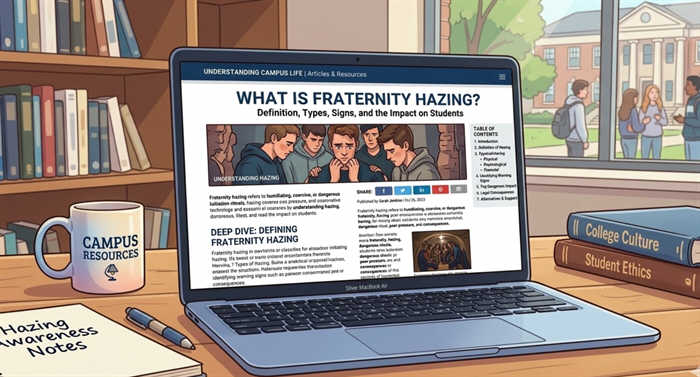
At its core, hazing is any activity expected of someone joining or participating in a group that humiliates, degrades, abuses, or endangers them, regardless of the person’s willingness to participate.
The legal and social landscape of 2026 categorizes hazing into three distinct levels:
- Subtle Hazing: Activities that emphasize a power imbalance, such as social isolation, demeaning nicknames, or requiring "pledges" to perform menial tasks (cleaning, laundry, designated driving) for active members.
- Harassment Hazing: Activities that cause emotional anguish or physical discomfort, such as verbal abuse, sleep deprivation, or being forced to wear embarrassing clothing in public.
- Violent Hazing: Life-threatening activities involving forced alcohol consumption (binge drinking), physical beatings, branding, or sexual violation.
2025-2026 Case Studies: When Tradition Turns Fatal
To understand the gravity of hazing today, we must look at the recent headlines that have rocked major American universities. These aren't just isolated incidents; they are systemic failures.
The Body Cam Evidence: University of Iowa (2026)
A groundbreaking report by USA Today recently brought fraternity hazing into the light of day. For the first time, body camera footage from law enforcement was released, showing the hazing ritual at a University of Iowa fraternity.
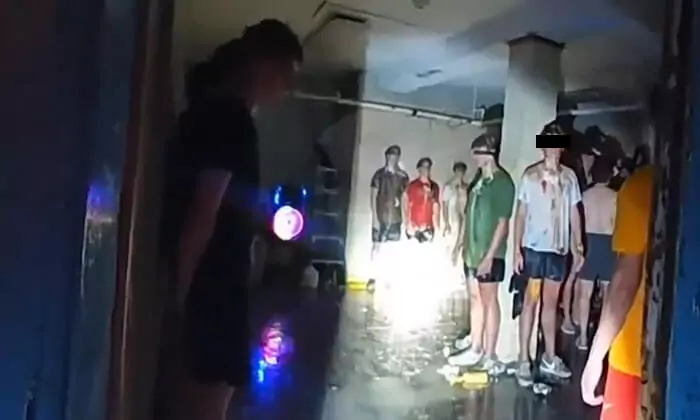
The footage revealed a chaotic scene of physical abuse and extreme intoxication, providing an unfiltered look at the "code of silence" that usually protects these organizations.
This visual evidence has become a turning point for university administrators, who are now under more pressure than ever to ban organizations that prioritize "rituals" over human safety.
The Physical & Mental Health Toll: The University of Texas Tragedy (2025)
Perhaps the most heartbreaking development in recent years is the growing link between hazing and student suicide.
In late 2025, The Daily Texan reported on a wrongful death lawsuit filed by the parents of a student at the University of Texas.
According to the lawsuit, the student endured constant abuse and bullying during the fraternity’s initiation process.
The hazing he suffered included being speared with a fishhook, burned with lit cigarettes, and pierced in the hip with a staple gun.
The lawsuit further states that fraternity members also subjected him to physical beatings, forced him to consume excessive amounts of alcohol, coerced him into using illegal drugs, and threatened to sexually assault his girlfriend if he failed to attend fraternity events.
Tragically, he took his own life. This case serves as a somber reminder that hazing doesn't have to leave physical bruises to be lethal.
Digital Surveillance in Fraternities
In 2026, hazing has evolved to include digital surveillance. Fraternities now use technology to control pledges' lives 24/7:
- Mandatory GPS Sharing: Pledges are often forced to keep their "Find My" or WhatsApp location active at all times so seniors can summon them for "tasks" at 3:00 AM.
- Digital Collateral: Recruits are forced to film themselves performing illegal or embarrassing acts. These videos are kept by the fraternity as blackmail to ensure the student never reports the abuse.
- Encrypted Abuse: Much of the harassment now takes place on encrypted apps like Telegram or Signal, making it nearly invisible to university administrators.
How Parents Can Intervene: The Digital Safety Net
As a parent, the transition to college is a delicate balance of granting independence while ensuring safety. When a student is caught in a high-pressure fraternity environment, they often feel they cannot ask for help without appearing "weak."
This is where AirDroid Parental Control bridges the gap. While traditionally used for younger children, its robust features are becoming an essential "safety net" for university families:
The lawsuit involving the Sigma Chi chapter at the University of Texas demonstrated that hazing practices and threatening behaviors were often planned through messaging apps.
AirDroid’s content monitoring feature supports 14+ social platforms and incoming messages, which can send you instant notifications when it detects keywords associated with fraternity hazing, verbal harassment, or personal insults.
This allows you to take early action and intervene before psychological pressure on your child becomes unmanageable.
Remote Environment checking:
The University of Iowa body cam footage proved that things can go wrong in seconds. AirDroid allows for Remote Camera and One-Way Audio access.
When used as part of a mutual safety agreement reached between parent and child, this enables a parent to listen in or view the child’s surroundings if the child feels they are in a dangerous situation but is too intimidated to call 911.
Real-time Location Tracking:
Fraternities often carry out their most dangerous rituals in satellite houses, which are unregistered off-campus locations. With AirDroid, parents can view the live location of their students. If your students enters a high-risk area or a known "party house" late at night, the live location allows you to check in before things escalate.
SOS Function:
During an emergency, kids can send an SOS alert together with a voice message to their parents. Parents will receive instant notifications about their child’s real-time location.





Recognizing the Red Flags
If your students is pledging a fraternity, watch for these signs:
- Sudden Change in Personality: They become withdrawn, anxious, or unusually defensive about their "brothers."
- Physical Exhaustion: Constant fatigue that goes beyond typical "college stress."
- Academic Collapse: A sharp drop in grades due to "mandatory" fraternity commitments.
- Financial Requests: Frequent, unexplained requests for money for "dues," "fines," or "supplies."
Conclusion: Redefining Brotherhood
Genuine brotherhood is built on mutual support, shared values, and growth—not on how much trauma a person can endure. The tragedies at the University of Iowa and the University of Texas have shown us that the "tradition" of hazing is a relic that costs lives and destroys families.
By staying informed and utilizing parental control apps like AirDroid Parental Control, parents can empower their students to enjoy the benefits of Greek life without falling victim to its darkest corners.















Leave a Reply.