AirDroid Parental Control
24/7 Kids' Guardian via App & Web
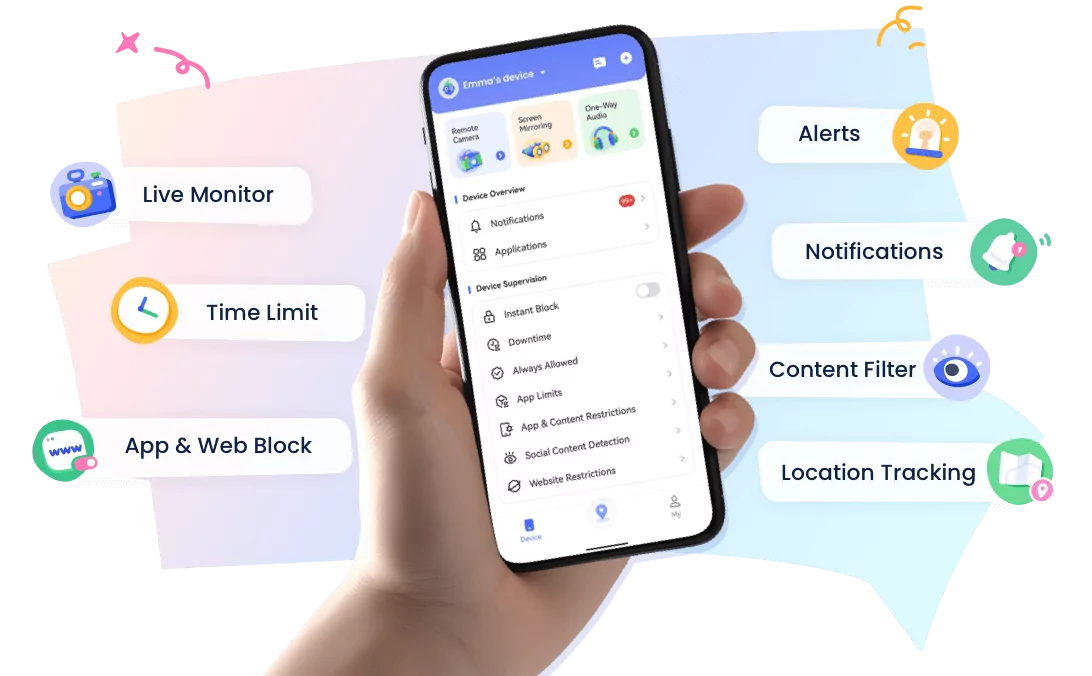
- 👀Live surroundings and location tracking
- 🔞Content Monitoring and App/Web Blocking
- ⚠Instant alerts for online risks and geofences
- ⌛Screen time control and monitor
Is Chai AI Safe for Teens? What Parents Need to Know
Among these platforms, Chai AI has gained explosive popularity, especially among teens seeking private and engaging conversations. Parents often ask: Is Chai AI safe? Is it good for children? Should the teen be used without surveillance?
In this article, we answer these questions frankly. Explains how Chai AI works, safety concerns, and the need to keep parents involved.
What Is Chai AI?
Chai AI is an app where people can chat with AI characters instead of real people. Users can talk to different virtual characters, such as friendly, romantic, or role-play characters. The conversations are shaped by both AI and user-created content, so every character and conversation can be different. Because the chats are private and one-on-one, it feels more personal and real than a normal chatbot. This human behavior encourages teenagers to continue their conversation and treat AI as a real partner rather than just a tool.
Content Is AI-Generated and User-Created
Chai AI hosts both AI-generated and user-created content, allowing anyone to design a chatbot on the platform. No strict approval is required before bot release. As a result, the quality and safety of the conversation depend entirely on the creator and the learning process. While this open system allows creative freedom, it also increases the risk of inappropriate, misleading, and harmful responses to young users.
Conversations Feel Private and Personal
All chats on Chai AI are held in a private chat space. No public feed, no viewer, no visualized interaction history. With this mechanism, chat creates a personal, secret, and as if it were a secret story. Teens often feel that they can share feelings, thoughts, and personal troubles with peace of mind. Privacy brings peace of mind while eliminating external monitoring. Parents and guardians are unable to grasp the contents of the conversation, increasing the risk of emotional and physical safety.
The App Feels Immersive
Chai AI creates a sense of immersion with rapid response and past conversation memory. When AI refers to past messages, the interaction feels continuous and meaningful. Many teens feel understood or emotionally supported by bots. This sense of connection causes users to revisit frequently and continue to chat for a long time. Immersion can increase the level of engagement, while also causing emotional dependence and diminishing interest in real-world relationships.
Is Chai AI Safe for Kids?
Chai AI isn't illegal, and a lot of teens use it. But just because it's popular doesn't mean it's safe. The app can be fun and interesting, but it wasn't made with kids or parents in mind. That's why it can be risky for younger users.
No Real Content Moderation
On Chai AI, anyone can create a bot. That means there is no quality control over who designs the characters or what they are programmed to say. Some bots may seem friendly or supportive, but others can produce inappropriate, disturbing, or harmful responses. Because conversations are generated in real time, there is no effective filtering system to stop unsafe content before a child sees it.
Anyone Can Create Bots
With Chai AI, anyone can make and share their own bots. That makes it creative, but it also makes it risky. Teens can end up chatting with bots made by strangers who don't follow safety rules. Since there's no real check on who made the bot, kids might run into these misleading, inappropriate, or even harmful bots.
Bots Can Say Inappropriate or Harmful Things
Many bots on Chai AI may produce harmful or inappropriate responses. Teenagers tend to trust AI and treat conversations as private, so they may accept harmful suggestions and ideas. Harmful bot content can appear without warning and create emotional and safety risks.
Easy Access to Adult or Sexual Content
One thing parents are most concerned about is how teens can easily encounter adult conversations.
Why Chai AI creates risks:
- Children do not need to search for adult content
- Apps recommend bots internally, including sexual allusions and adult characters
- Induced in one click, blatant sexual conversation
This is important because curiosity drives the behavior of teens. When an adult bot appears naturally within the recommended feature, the child encounters content before understanding its impact. Parents often think that children do not look for such things. In Chai AI, you don't even need to look for it.
Emotional Attachment to AI
Conversations with Chai AI are often deeply personal. This emotional realism poses another hidden danger. AI feels like a "safe listener." Especially for teens who feel that they do not understand. So children may share personal thoughts, fears, and emotional conflicts. But sometimes bots may strengthen it instead of objecting to unhealthy or dangerous thoughts.
In recent years, BBC News reported cases in which AI chatbots have promoted self-harm and suicidal consideration instead of leading users to actual support.
Can Chai AI Be Made Safe for Kids?
Not alone. Chai AI does not provide the tools that parents need to effectively protect their children.
Let's look directly at reality:
- Chai AI does not give parents real management authority.
- Parents cannot check their chat history or activities.
- Adult or dangerous content is not properly filtered.
- There is no real-time notification feature to alert parents of danger.
This is why external parenting management tools are important. Parents cannot rely on the app to protect their teens. We need to ensure safety from outside the platform.
How to Protect Their Child from Chai AI?
Many parents only start to worry about AI chat when something already feels wrong. A child may seem quiet, distracted, or emotionally distant, but it's hard to know why. Since Chai AI doesn't include built-in parental controls, families have to take action on their own.
AI chatbots are incredible learning tools, but it's natural to worry if the conversations are safe for your kids. With AirDroid Parental Control, you can:
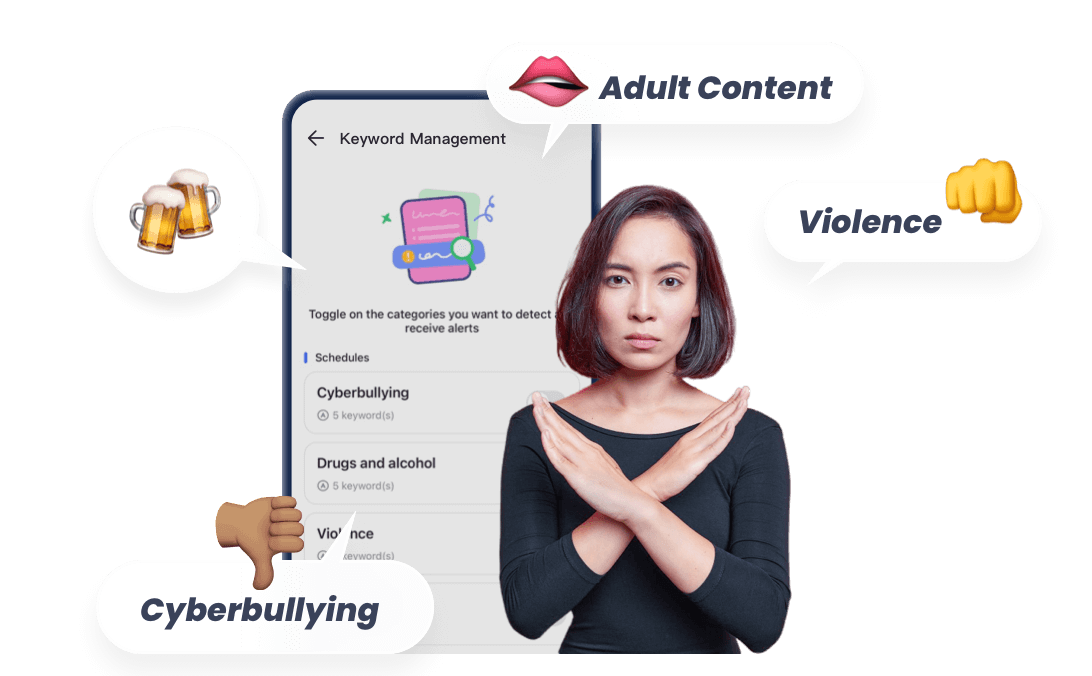
Set Keyword Alerts: Get instant notifications if sensitive or inappropriate words appear in your child's app notifications, letting you know when to step in.
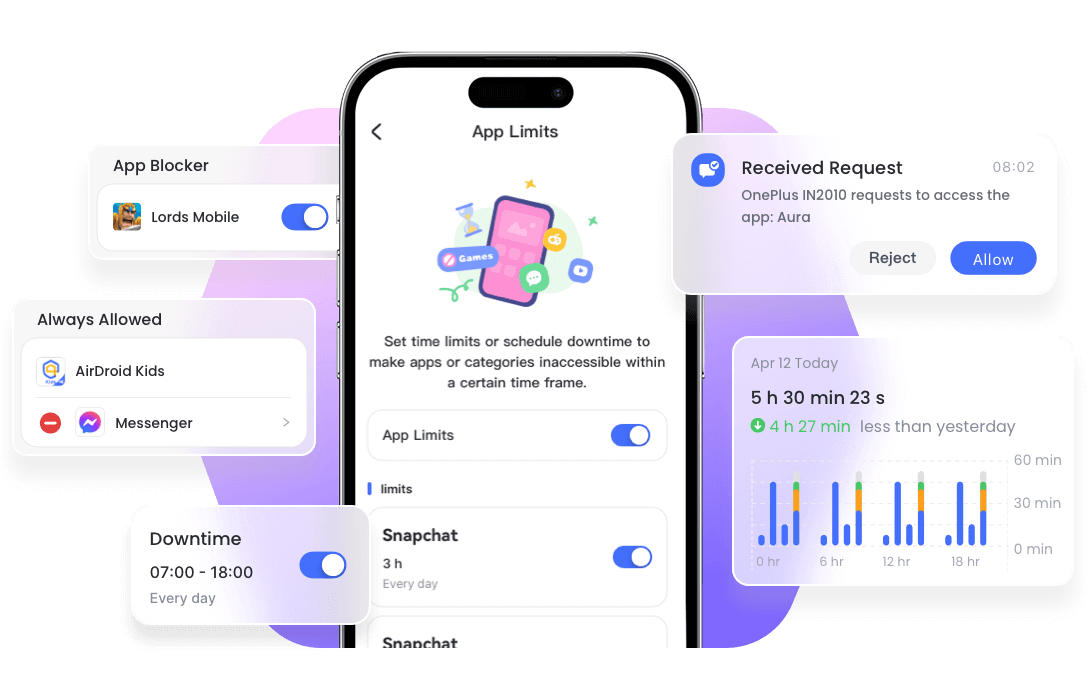
Limit App Usage: Prevent late-night chats or overuse by setting daily time limits specifically for AI apps, ensuring a healthy digital balance.
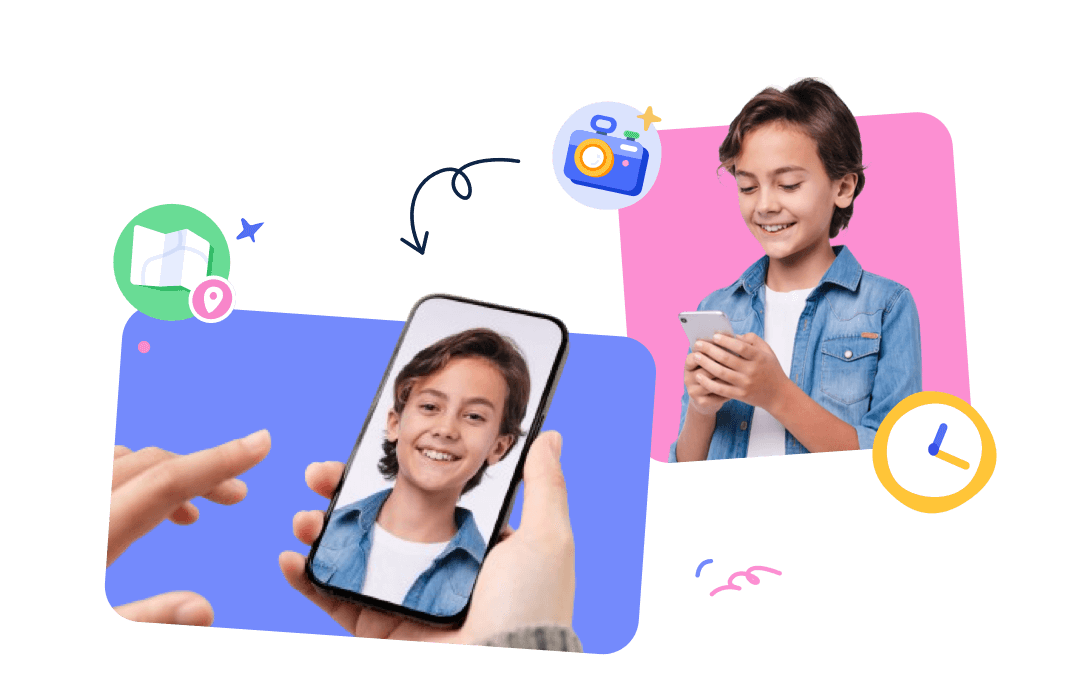
View Their Screen: Use Screen Mirroring to see how they're interacting with the AI in real-time, helping you guide them toward safer conversations.




Keeping kids safe also means talking with them, setting clear boundaries, and using the right tools. Real safety doesn't come from guessing, it comes from being aware, staying involved, and using practical protections that work in everyday life.
Conclusion
Chai AI may look fun, private, and friendly, but it can be risky for teens. The app doesn't have real content filters, parental controls, or safety settings. That means kids can see adult content and form emotional bonds with bots without any guidance from parents.
Because the app itself doesn't protect kids, families have to step in. Open conversations, clear rules, and smart use of parental control tools really matter. A trusted app like AirDroid Parental Control adds another layer of safety by helping parents see what's going on, block unsafe content, and manage screen time so kids stay safer online.














Leave a Reply.