AirDroid Parental Control
24/7 Kids' Guardian via App & Web
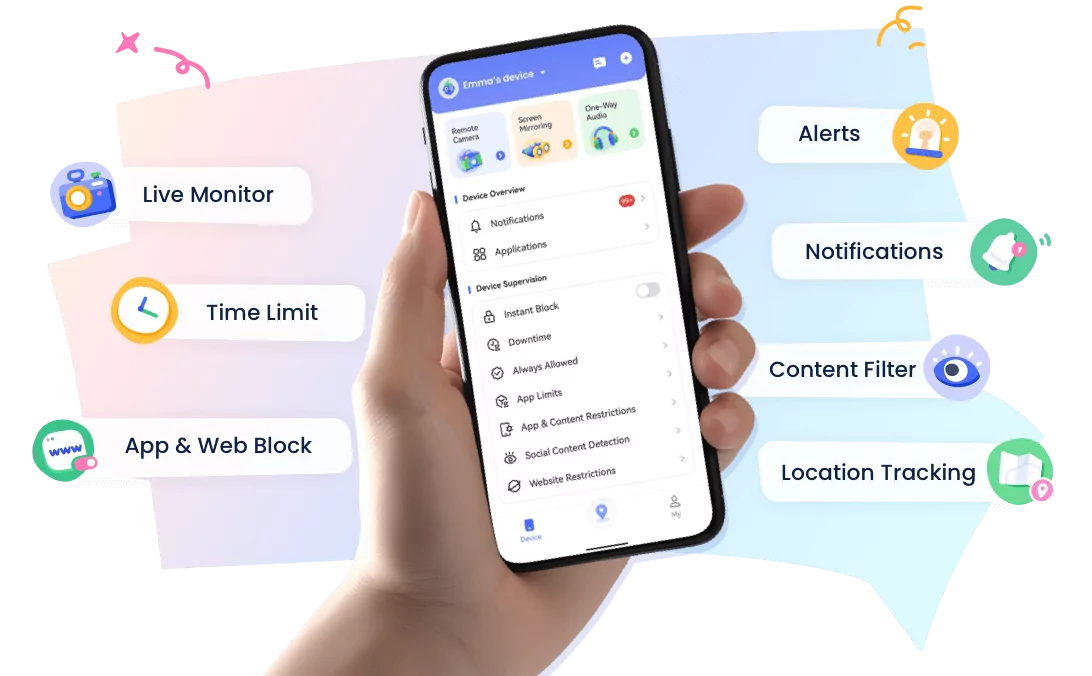
- 👀Live surroundings and location tracking
- 🔞Content Monitoring and App/Web Blocking
- ⚠Instant alerts for online risks and geofences
- ⌛Screen time control and monitor
How to Find Information on Someone
People search for how to find information on someone for many reasons. Some worry about safety. Others feel unsure about a new person in their life. Parents often want peace of mind about their children. These concerns feel normal, especially in a world where people connect online before they meet in real life.
This guide explains how to find information on someone for free in safe and legal ways. It also explains what you should never try to access. For parents and families, it introduces safer tools that focus on real safety instead of risky searching.
Why People Search "How to Find Information on Someone"
People search for information on someone for emotional and practical reasons. These reasons often connect to safety, trust, or responsibility.
Worried About Safety
Safety concerns drive many searches. Parents worry when a child does not respond on time. Someone may worry about a friend who suddenly goes quiet. People also feel uneasy when meeting someone new from school, work, or online. In these cases, people search for information on someone online, hoping to confirm that everything feels normal. They want signs of activity, recent posts, or shared updates.
Uncertainty About Someone New
Meeting new people online has become common. Dating apps, work platforms, and social media create many first contacts. People want to confirm that someone is real and honest. This leads many users to search for information on someone for free before they trust them. They want basic details like name consistency, public posts, or shared interests.
Curiosity About Background Information
Curiosity also plays a role. People want to understand who someone is, where they work, or what they care about. Curiosity becomes risky only when it crosses into private space.
Understanding the reason behind the search helps you choose the right and legal way to gather information.
What Information Can Be Found Legally (and What Cannot)
Before searching for information on someone, you must understand what the law allows. Legal access focuses on public and shared data. Anything hidden or protected must remain private.
Information That Can Be Found Legally
Information that can be found legally includes details people choose to share publicly or directly with you. This information is safe to access, easy to verify, and does not involve breaking privacy laws or personal boundaries.
Publicly Shared Information
Public information remains the safest place to start when searching for information on someone online.
You can legally view:
- Public social media profiles on Instagram, Facebook, LinkedIn, or X
- Public usernames or display names used across platforms
- Information shared on open forums or comment sections
- Public posts, likes, or shared images are visible without logging in
You can also use search engines to look up their name, username, or public activity. Many people share details openly without realizing how visible they are.
⚠️ Important Note:
Do not trust random "find someone" websites. These sites often show outdated or false data. Many collect your data once you accept cookies. These sites may harm your privacy instead of helping you find information.
For real discussions about online research limits, read this Reddit Reddit thread:
Information Shared Directly With You
Some information becomes legal because the person shared it with you.
This includes:
- A phone number or email address they gave you
- A location shared through a messaging app
- A profile link sent directly to you
When someone shares information willingly, you can use it responsibly. This type of data often answers questions faster than searching for how to find information on someone for free on random sites.
Information You Should Not Try to Access
Some information remains private, no matter how worried or curious you feel. Searching for information on someone online does not give you the right to cross legal lines.
Private Communications
You must never try to access:
- Private messages
- Direct messages on social platforms
- Emails or call logs without permission
Accessing private communication without consent breaks the law and trust.
Hidden or Secret Location Tracking
Never attempt to:
- Install tracking apps without consent
- Use hidden GPS devices
- Access location data through someone else's account
⚠️ Important Note:
If you search for how to find information on someone to secretly monitor them, stop. Guessing passwords, breaking into accounts, or bypassing security can lead to serious legal trouble.
Why Searching for Someone's Information Often Doesn't Solve the Real Problem
Many people believe that more information brings peace. In reality, searching for information on someone online often increases stress.
If You're a Parent: A Better Way to Find Safety-Related Information
Parents search for information on someone more than anyone else. Children do not always reply on time. Silence creates fear. Searching names or profiles rarely helps.
Parents need real safety signals, not guesswork.
1. Watch Their Surroundings, Not Just a Dot on the Map
With AirDroid, you can see and hear what's happening around your child's phone in real time. This can help you understand things a map can't show, whether they're indoors or outside, alone or with others, in a safe place or somewhere that feels risky.
2. Geofence Alerts Instead of Constant Checking
Rather than checking the map every few minutes, you can set safe areas like school, home, or after-school locations. If your child enters or leaves those places, you get notified automatically. This gives you information when it matters, without turning tracking into constant surveillance.
3. Device Status Helps Reduce Panic
When someone goes quiet, the first fear is often that their phone is dead or turned off. AirDroid lets you see battery level, network status, and whether the device is online. Knowing this simple technical information can immediately explain why someone isn't responding, and save you from unnecessary worry.




4. Additional Safe Ways to Learn About Someone
If you still want basic background clarity, use safe steps:
- Ask direct questions politely
- Observe consistency in shared details
- Look for long-term activity patterns, not single posts
- Trust your instincts if something feels wrong
These methods work better than risky searches for how to find information on someone online.
Conclusion
The goal is not to know everything about someone. The goal is to know enough to protect safety and peace of mind. Searching how to find information on someone can help when done legally and responsibly. But endless searching often creates more fear than answers. For families and parents, real-time safety tools work better than static online data. Focus on trust, communication, and lawful tools. That approach keeps people safer without crossing boundaries.











Leave a Reply.