AirDroid Parental Control
All-in-One Tool for Real-World Child Safety
- 📍Real-time location & route history
- 🔍Live surroundings check
- 🔔Geofence alerts on daily routes
- 🆘One-tap SOS with ambient audio

Kid Not Answering Calls? Here's When You Should Worry
A missed call doesn't always mean something is wrong. Your little ones might get busy, phones run out of battery, or keep DND active—those are all normal.
However, when certain patterns or details start to stack up, you need to be worried. Today, we're going to explore these signs that may indicate your children could be in trouble if they fail to answer your call.
🟡Level 1. Concerning Signs - Verify
| Signs | Actions |
|---|---|
| • They normally answer—but not today • Location mismatch • Unreachable during severe weather |
🔴Level 2. High Risk Signs - Act Immediately
| Signs | Actions |
|---|---|
| • No contact for long • No one around them has seen them • Missed schedules without notice • Location in high-risk zone |
NOTE: the more signs overlap, the faster you need to escalate the situation.
🟡Level 1. Concerning Signs
First and foremost, these signs don't always mean your child is in danger when they fail to answer your call. But they still require your attention and verification, especially when two flags are together.
1They Never Ignore Your Calls - But Today They Do
Let's start with the most common early warning: a sudden change in their response habits. If your child almost always picks up or texts back, and suddenly misses several calls in a row, you shouldn't take it for granted.
Sometimes it simply means a dead phone, or they're busy—but in other cases, it may indicate a situation where they're unable to respond safely.
This time, try to verify what's going on by checking their schedules, verifying where they're, or reaching out to their close friend who may be with them
2Location Doesn't Match What They Told You
If your child said "I'm at Jake's" but Find My or other shared map shows a different location where they were supposed to be, it's no longer just a missed call—it's a safety concern.
Especially when they can't be reached, you have no idea about who they're with or whether the area is safe, which may mean that they're dealing with a situation they didn't plan for—or can't easily leave.
Surely, it's also true that teens sometimes may not want to be honest about where they're going, whether for peer pressure or to avoid a "no" from parents.
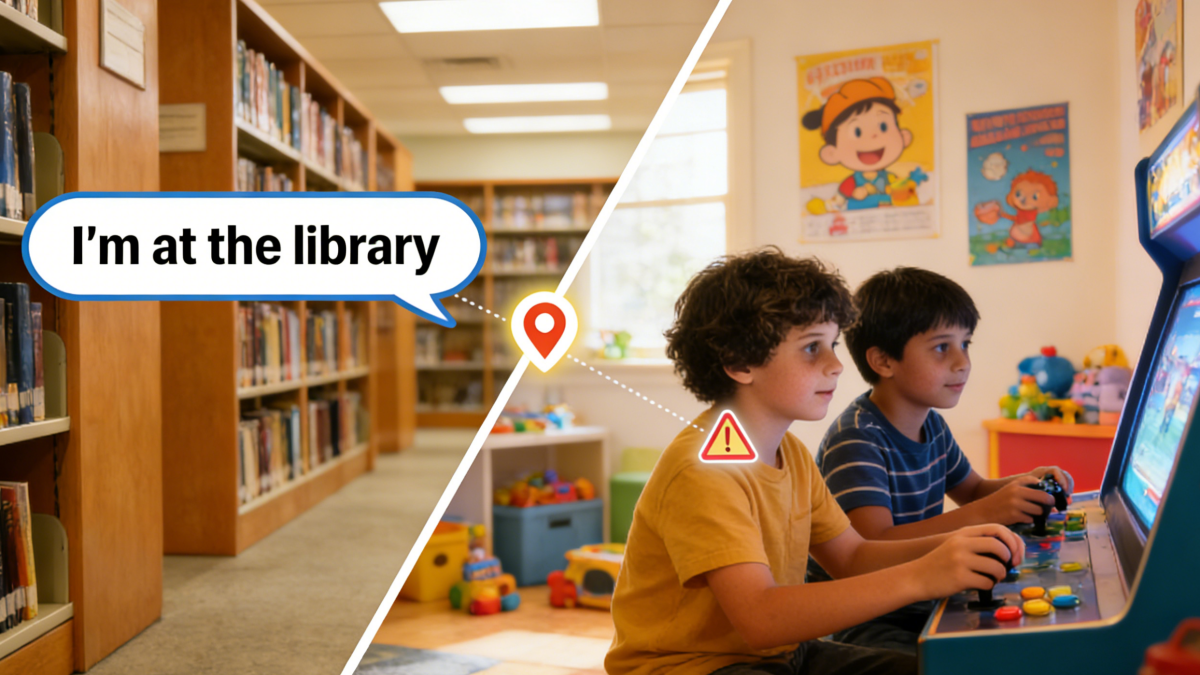
Stop Guessing. Start Knowing!
AirDroid Parental Control empowers parents to see and hear what's happening around children. This way, parents can determine whether "No Answer" is simply part of everyday life—or something that deserves immediate action.
3Unreachable During Severe Weather
It is natural to be worried when your child is unreachable during severe weather conditions. But, just like adults, kids are also smart -- they could be looking for a safe place to hide.
As such, they may not check their phone, have signal, or notice when the phone is ringing.
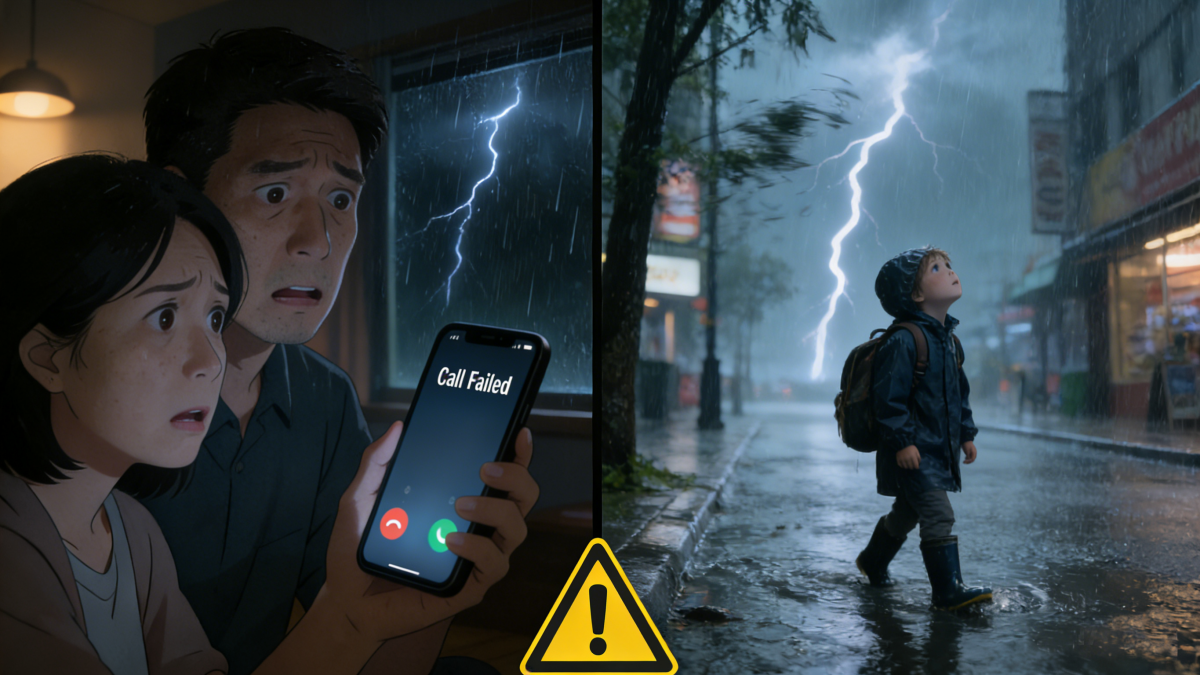
That said, severe weather, especially floods, also raises the stakes and turns situations into emergencies. As the tragic case of a 12-year-old boy who went missing during East Coast flooding last month shows, delaying action can result in irreversible death.
Stop and check: if you can check 2 or more of these, there’s usually no need to panic or take further action.
- It's during their usual "busy" time (school/friend time)(votes)
- Their location looks safe or familiar(votes)
- They texted back, even if delayed(votes)
- A friend told you they're with them(votes)
- This has happened before and they were fine(votes)
🔴Level 2. High Risk Signs
However, some signs do not require any verification or second thoughts before you swing into action when your child ignores your calls. Some of these signs are:
1No Contact for a Long Time
I did not dispute the fact that your kids may be busy when you call. Nevertheless, when your child hasn't responded to calls or messages for an unusually long time, it becomes harder to explain away as being "busy" or distracted.
If you now wait for hours far beyond your agreed-upon check-in time, that's a red flag. Additionally, complete silence that stretches during late evening, overnight, or periods during which the child usually responds (e.g., after school) raises the risk.
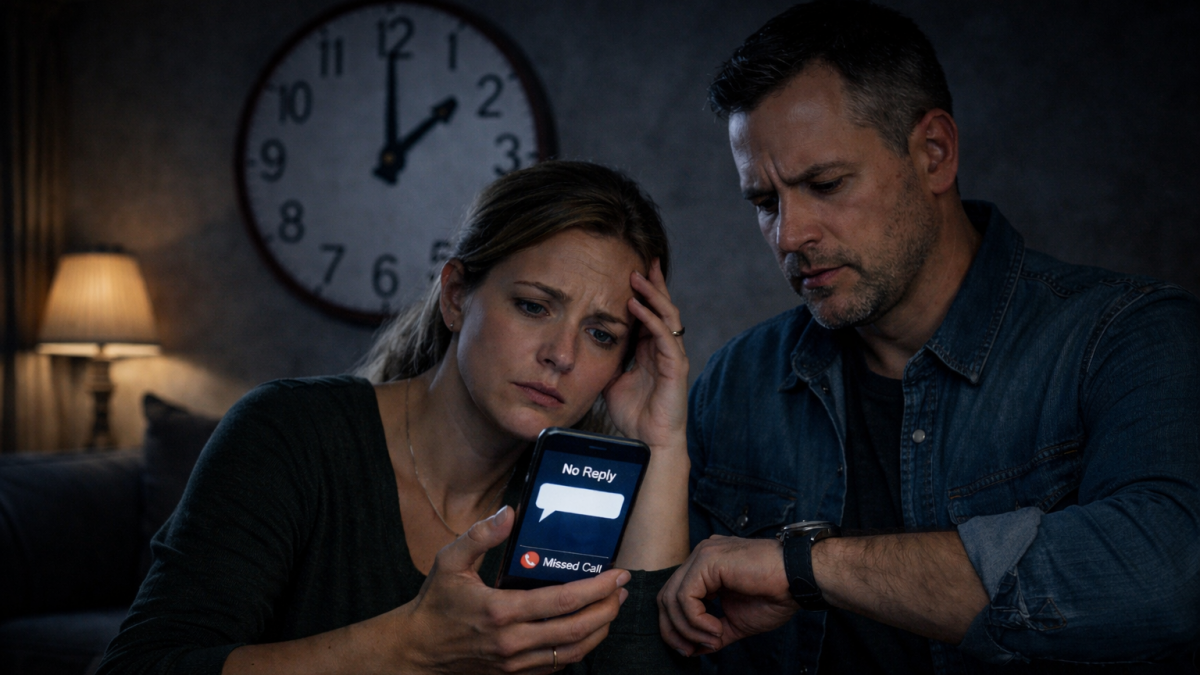
Surely, before acting, think of it: was there a major conflict before no contact? If yes, it may indicate an impulsive departure. And you can try to contact their friends to confirm safety.
2Friends Say They Haven't Seen Them
If you reach out to your child's friends—and none of them have seen or been with your child—especially when your child said they would be, it's a serious warning sign of missing, trafficking, or kidnapping.
In the show Stranger Things, when several of Will's close friends hadn't seen him or knew where he was, his mother realized that he was completely missing.
When this happens, the priority is to verify their location within 60 minutes if you have used the location sharing app. And if you cannot confirm their location, involve school administrators or authorities to look over the security cameras.
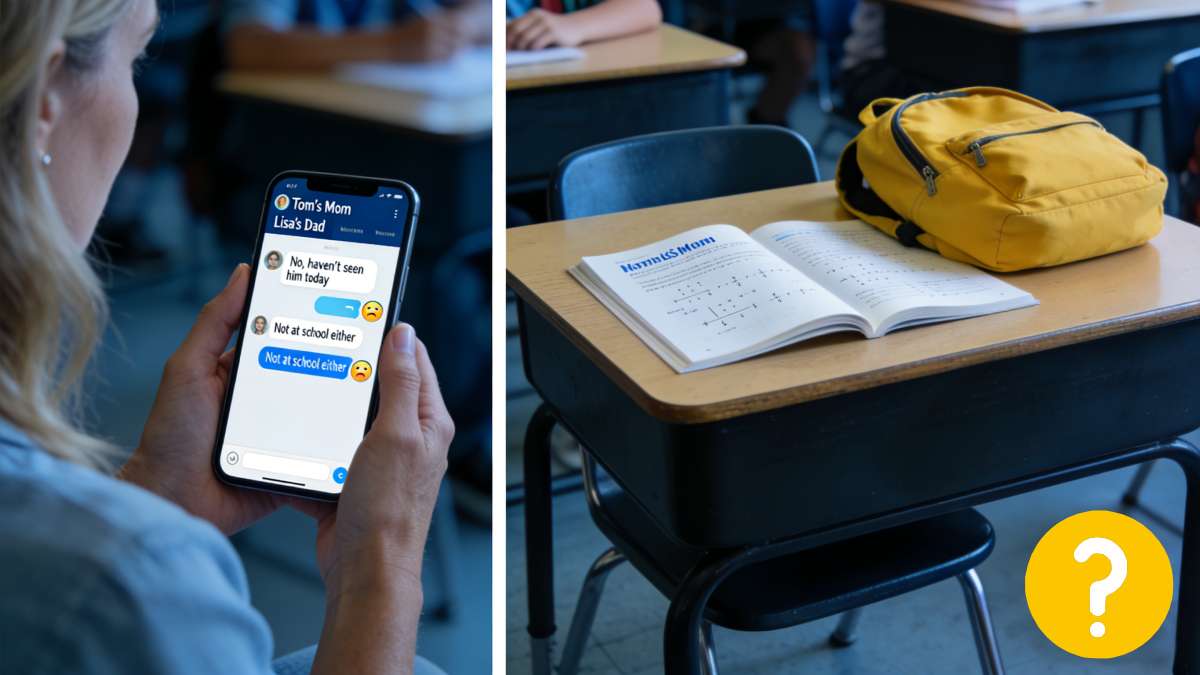
3Absence from Expected Schedules
When the school reports your child never checked in for first period—and they told you they were "walking to the bus stop at 7:30"—you're not dealing with a missed call.
When a child doesn't arrive where they're supposed to be and can't be reached. A real example is 11-year-old Jaycee Dugard. She failed to arrive at school one morning. That absence—later confirmed as abducted along her normal route.
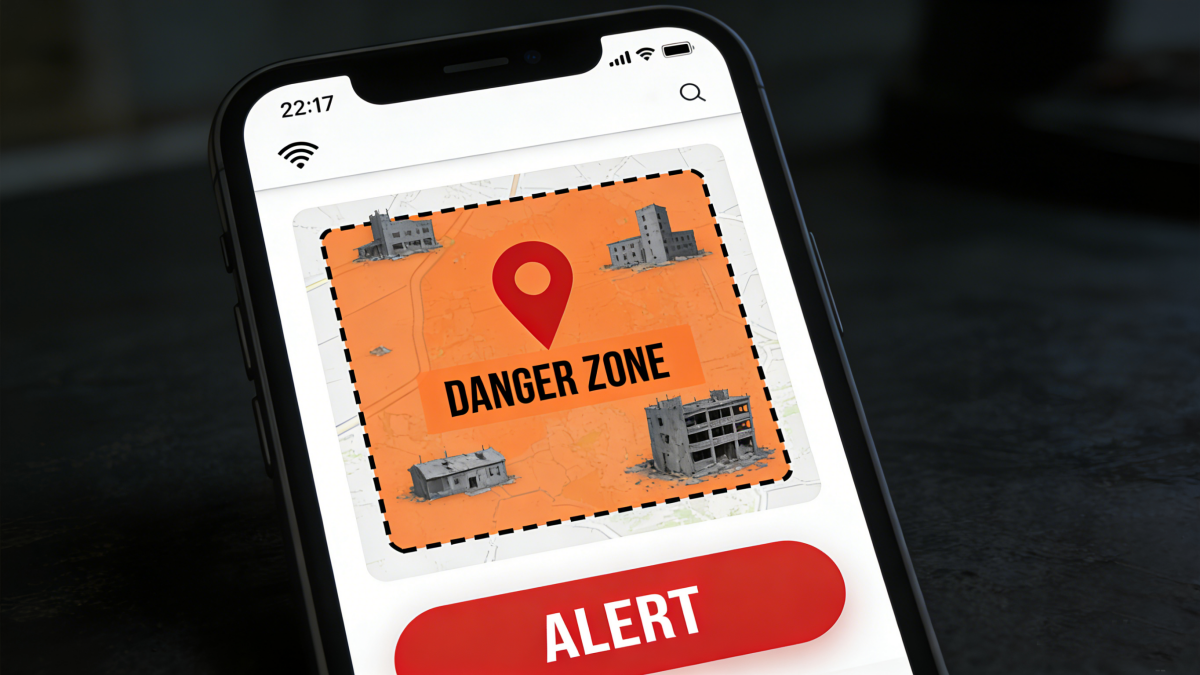
4Location Shows They Are in a Risk Zone
If you now check their location and it indicates that they're in a place that is widely considered unsafe—like an abandoned building, isolated riverine or forested area, or remote suburbs, you should quickly take steps. Call police if you believe they're in immediate danger or drive here to get them and ensure their safety.
Typically, these locations often lack supervision, lighting, and with few people around, which highly correlates with crime and can expose children to physical hazards.
Common Mistakes to Avoid
It is normal to react when your children are not picking up calls. However, before you take any actions, ensure you avoid any of these mistakes:
Mistake 1. Relying on only one signal to verify
Don't assume your child is safe—or in danger—based on only one signal. This can cause false reassurance or delayed action. Instead of that, combine two or three signs to verify your child's situation before swinging into or escalating action.
Mistake 2. Calling or texting nonstop
Avoid calling or texting them repeatedly if they did not answer your call. They might be busy, so calling repeatedly could disrupt their activities and even make them switch off their phone, or exacerbate rebellion. And many children feel crazy and overcontrolled about parents' bomb calls.
Instead of that, wait for a short while before calling back.
Mistake 3. Ignoring the "Group Disappearance" pattern
Imagine your child said they would hang out with two friends after school, but when you call, none of the three can be reached. You think, "Well, they're together, so they're safe," right? But sometimes you could miss a bigger danger, such as traffic accidents, or getting lost together.
Mistake 4. Blaming the child as soon as they reconnect
Does it sound familiar that many parents may threaten children that they would take their phones away or freeze their phones if they don't answer? This is not the kind of strategy you should embrace.
Of course, I understand the anxiety that comes with children not picking up calls. But no matter what, don't ever blame or threaten the child as soon as you're able to connect with them.
Blaming them could affect their self-esteem and even ruin your relationship. "I tend to find that if I don't harass my child or stalk her, she tends to respond more," says a parent on Facebook.















Leave a Reply.