What Parents Need to Know about Kids' Social Media This School Year
Summer's over, and kids are heading back to class. But here's the thing: their summer social media habits come right along with them.
Also, conflicts with classmates don't just happen in hallways anymore. It spills over into group chats, DMs, and the school community. Lots of us parents fixate only on screen time, while missing the quieter risks hiding behind social media.
So, in this post, let's walk through what you should watch out for this school year, plus simple moves you can actually use.
Why Back-to-School Season Is Riskier Than Summer
Summer social circles are small and stable. Your kid talks to old friends, cousins, and neighbors. You generally know who they are. While September changes some things:
A new school year or class means new group chats, new Discords, and new follow requests.
In summer, if a random account messages your kid, it stands out. In September? "I'm in your 4th period" sounds plausible. Then, kids accept their friend requests. More connections, more room for strangers, and risks to blend in.
Class group chats sound harmless on paper. But they're often ground zero for so much teen friction. Rumors get passed around, kids get left out, and mean jokes blow up fast.
And these conflicts, gossip, and exclusion don't disappear when the final bell rings. They pop up on phones at night, over dinner, and during homework time.
Unlike summer, when parents can easily set limits, the "educational" excuse now blurs the line.
Kids need devices for homework, schedules, and after-school communication, so parents can't simply take them away. The result? Parents are left in the dark: is their child studying or scrolling through something dangerous?
You're buying supplies, adjusting new schedules, and managing logistics. Online safety slides to the bottom of the to-do list.
The 5 Hidden Social Media Risks in the New School Year
Below are the five most common social media risks kids face in their new school social circles, along with exactly how each one affects tweens and teens.
1Late-night scrolling harms physical health
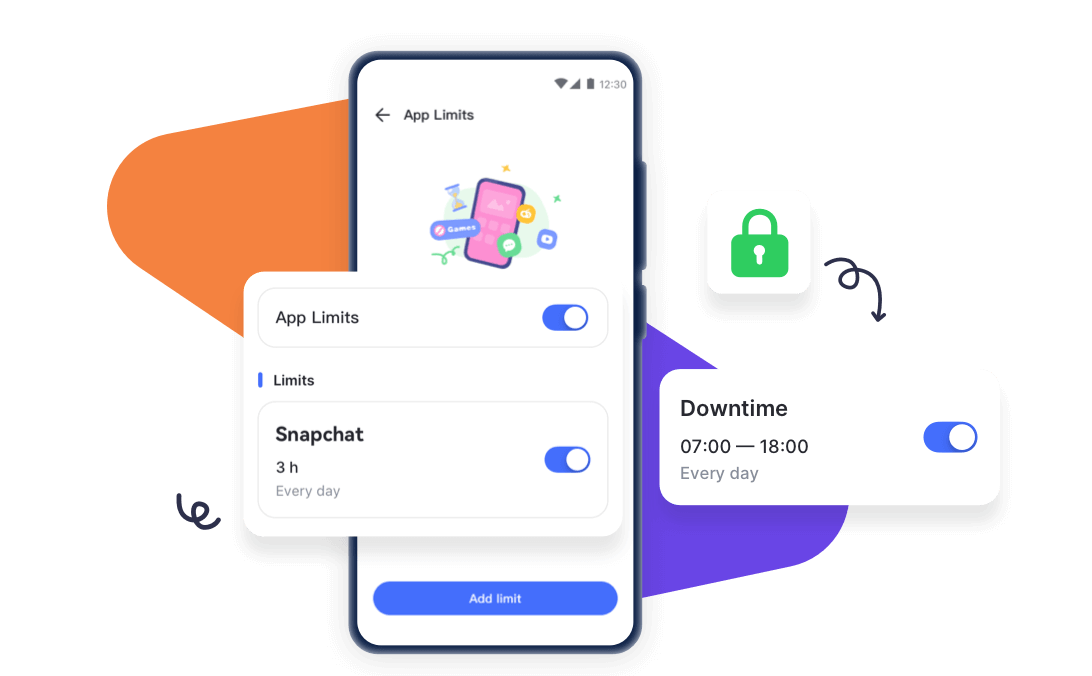
New school group chats never stop buzzing. Constant notifications, late-night replies, and social challenges scrolling cut directly into sleep and homework time.
Many kids start the school year exhausted, unfocused, and irritable. And parents never connect their kid's mood shift or dropping grades to after-hours social media use.
2Group chats and deepfakes can cause quiet cyberbullying
Class group chats are the biggest back-to-school trouble spot. They start as useful spaces for sharing class updates and connecting with each other but quickly turn into social battlegrounds.
Inside these groups, kids face subtle bullying: excluding someone from a group, targeted jokes or face-swap pranks, screenshot shaming, and collective peer teasing.
Since the content spreads extremely fast across school groups, it is nearly impossible for kids to defend against. One piece of gossip or joke can ruin a student overnight at the start of the year.
For example, 14-year-old Mia Janin from the UK was mocked in Snapchat group chats where boys screenshotted her photos, laughed at her, and even photoshopped her face onto porn performers. All while she was excluded from social circles, and she later died by suicide.
3Unhealthy comparison fuels anxiety
New school, new social standards. Kids instantly start comparing grades, outfits, back-to-school supplies, and the summer trip.
And because every kid is simultaneously broadcasting. Feeds are filled with "perfect persona" highlight reels, becoming a relentless, real-time scoreboard of who is keeping up and who is falling behind.
4Fake friend requests enable fraud and sextortion
The new school season brings new contacts. And new scams follow.
Fake group chats, impersonated schoolmates, and hijacked friend accounts have access to your kids' photos and location tags after adding them. Someone may even send them lots of obscene private messages or trick them into clicking malicious links.
That's why the FBI explicitly suggests students do not accept requests or messages from strangers.
5Oversharing leads to privacy leaks
This risk of oversharing comes from both kids and parents during back-to-school season.
Proud first-day photos are a back-to-school ritual. Kids as well as parents may share photos with school uniforms, daily schedules, or academic highlights on their social feeds.
However, this info often reveals the school name, address, and the child's full name, which gives strangers and online groomers a perfect roadmap.
Your Practical Back-to-School Online Safety Tips
The risks are real, but so are the solutions. Here's what parents can do:
Run a social media safety checklist at the first week
When the first week of school starts, take a few minutes to review these six things with your child:
| Check | Why It Matters |
|---|---|
| 1. What social apps your child uses | Better to understand risks for specific platforms. |
| 2. New followers & friends | Your child's contact list can double in the first week. But your child may not know who they are. |
| 3. Privacy & location settings | Social posts can reveal your child's school, routines, activities, or location. |
| 4. Screen time boundaries | Notifications from social media can interfere with classes, homework, and sleep. |
| 5. The family agreement | Agreed-upon rules help your child understand what's expected and make it easier to adjust boundaries. |
Lock in simple family boundaries
Agree on social media and phone rules before day one, instead of reacting to problems after they happen. When kids help make the rules, they're more likely to follow them.
- No phones in bedrooms overnight and no scrolling during family meals
- Social media use only happens after homework is finished
- No joining random school-related groups or accepting unknown peer friend requests without checking in first
- Block DMs from unknown people where the app allows
- Switch profiles to private; review location tagging before posting
Set up alerts for concerning social content
Most social platforms don't notify parents when a conversation turns toward bullying or self-harm language.
Since you can't read every DM your child sends, and you shouldn't have to, you can let parental control apps flag the red flags for you.
AirDroid's social content detection feature scans messages across your child's social apps for risky keywords and flags concerning ones the moment they appear.
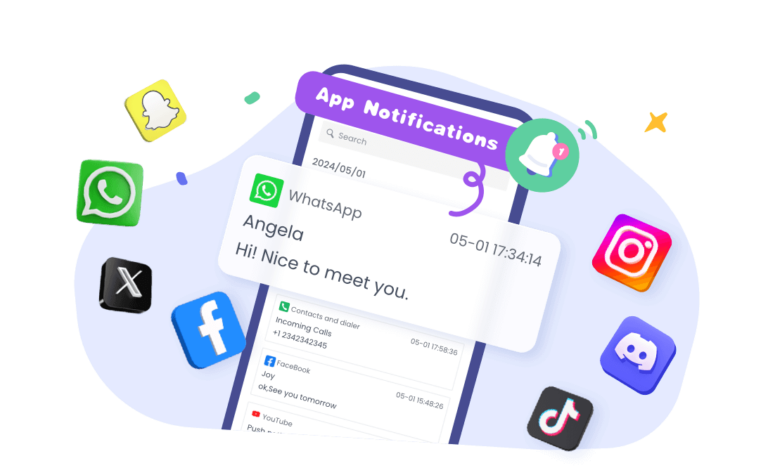


However, it's worth setting realistic expectations: no content alert system catches everything, and social content alerts that most parental control apps offer work when your child's using Android.
Talk about social media risks
You don't need a huge, serious lecture. Just bring it up casually over snacks or in the car.
- Instead of accusing, "What are you doing on your phone?" Try asking, "Who are you talking to most these days?"
- When a news story about cyberbullying or social media comes up, ask, "What would you do if that happened in this case?"
And most importantly, make it ongoing. One conversation isn't enough. Check in regularly, and remind them you are their safest place to land, no matter what happens.
Model safe social media habits
Since parental oversharing is a hidden back-to-school risk, hold yourself to the same rules you set for your kid.
Avoid posting your child's full schedule, classroom details, unapproved school photos, or academic milestones without their consent.
Just as importantly, model healthy screen habits by putting your own phone away during family time instead of constantly scrolling.
FAQs
Wrapping Up
The start of a new school year brings exciting new friendships and opportunities, but it also opens the door to unique social-media risks that do not exist during summer break.
Group-chat exclusion, AI-fueled gossip, social comparison, late-night scrolling, and much more can quietly hurt kids' confidence, reputation, and school life.
Our goal shouldn't be banning apps entirely. It's building digital resilience in our kids. A little bit of setup at the start of term can stop bigger headaches further down the line.










Leave a Reply.