- Users do not show their real names
- No verified profile photos
- Anyone can pretend to be anyone
This makes it hard to know who is behind a message.
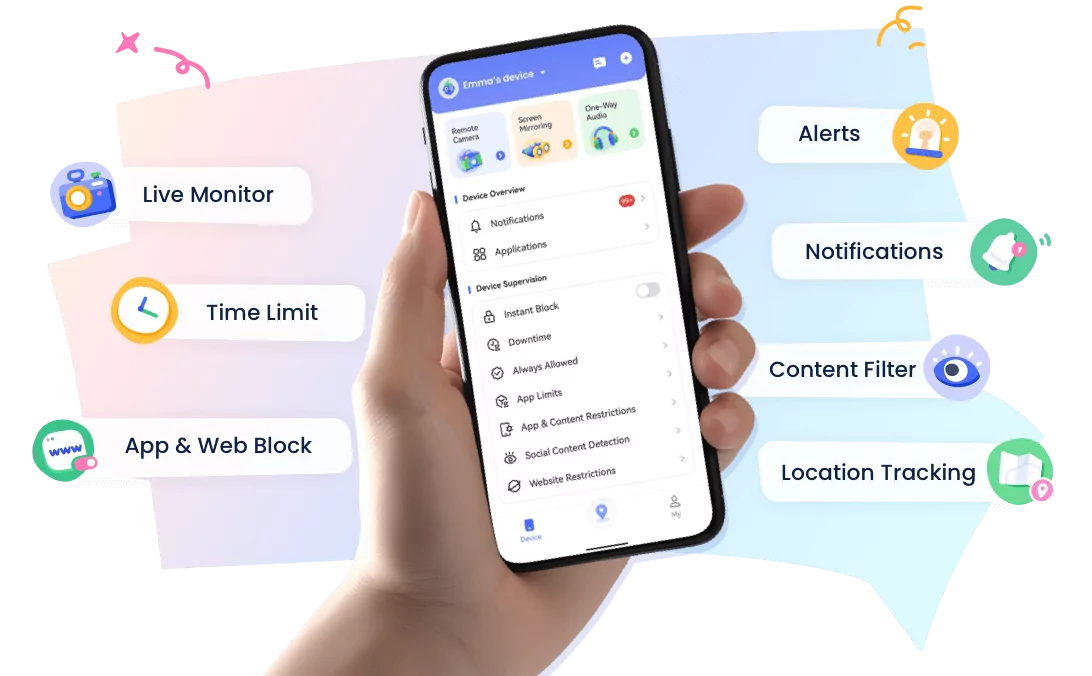
24/7 Kids' Guardian via App & Web
Many parents worry about the social media apps their kids use daily. Whisper often raises their concern. At first glance, it looks harmless. Teens post short thoughts over images and chat with others. But the real problem stays hidden from parents.
Whisper allows anonymous posts, private messages, and image sharing. These features attract teens, but they also create serious risks. Kids use Whisper to talk about feelings they cannot share at home.
Parents need to understand how the app works, why teens like it, and what dangers exist. This guide explains everything parents should know in clear and simple words.
Whisper is an anonymous social media app. Users share short text messages on top of images. The app does not require real names or profile photos. People use Whisper to post secrets, thoughts, or questions. Other users can reply or send private messages. Most interactions happen between strangers. The app focuses on three key features that parents should understand.
This makes it hard to know who is behind a message.
Private chats increase the risk of unsafe contact.
These features explain why Whisper feels attractive to teens and risky for parents.
Teenagers use Whisper, as it is safe in their minds. They are assured not to be judged as they talk. Numerous adolescents are not willing to discuss in their homes or at school. Whisper provides a platform whereby they can express the ideas they hold within.
These topics do not make teens bad. They show teens trying to understand their emotions.
The real issue is not what teens feel. The issue is where they share those feelings.
Whisper does not show danger clearly. Problems usually start after kids begin chatting and sharing images.
Any person can post a private message on Whisper. Your child does not accept a friend request first. At any moment, a stranger can initiate a chat. There are others who are posing as young people. Still others gradually gain trust and then pose individual questions. Their parents are not usually aware of such chats as they occur silently and privately.
Whisper allows image sharing. Many users send photos without warning.
Once seen, these images cannot be unread.
Anonymous apps attract unsafe people.
Without a real identity, stopping this behavior becomes difficult.
Most parents only see the app icon. They do not see chats, images, or alerts. Kids can delete messages or posts in seconds. It is important to understand this point: most risks do not come from the app store page or public posts. They happen inside chat, images, and notifications. That hidden space is where problems start.
A lot of parents are of the opinion that screen time restrictions will save their children. Others blacklist Whisper after hearing of it. Unfortunately, this tends to occur once it is too late. A parent could block the app when it is already too late. Messages may already be sent. Images may already be shared. The damage might have been already done emotionally. This is why boundaries are not sufficient
By the time parents block Whisper:
Damage does not need long screen time.
Limits control time, not content.
Teens know how to hide apps, clear chats, or create new accounts. Blocking one account does not always stop usage. Parents do not just need to know how long their kids use Whisper. They need to know what is happening inside it.
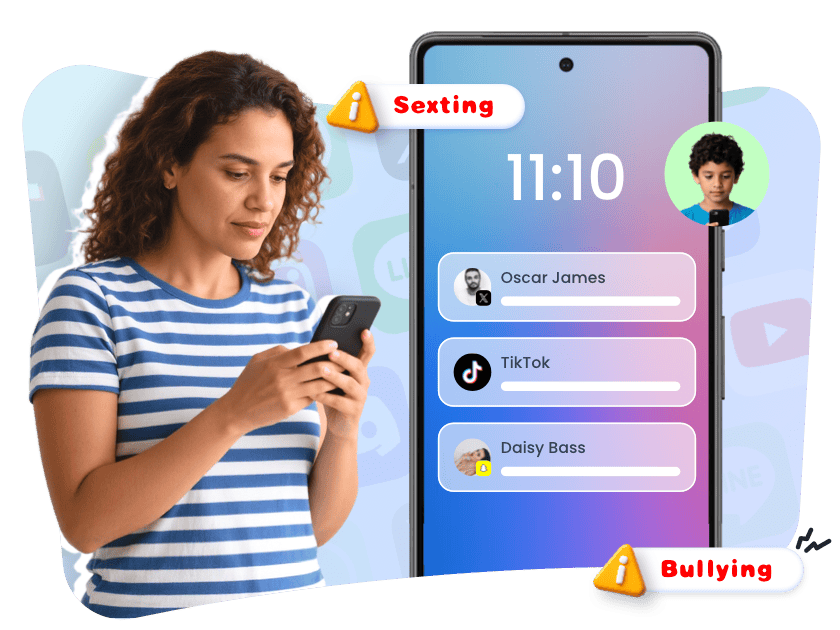
On the Internet, parents are not able to monitor their children. Nevertheless, they may minimize risks with the help of the tools that provide early warnings. AirDroid Parental Control can assist parents in keeping track of the activities on Whisper. It has app blocking, inappropriate image alerts, live screen monitoring, and notifications syncing, which allows parents to act early rather than late in response.
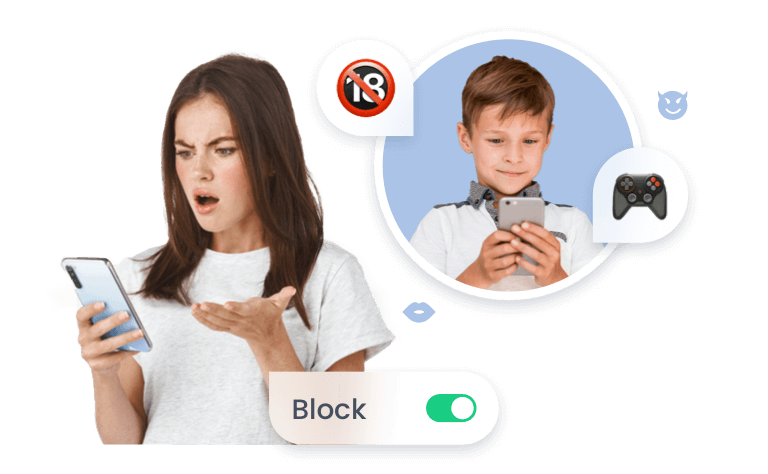
Parents should have a fast method of terminating access when Whisper begins causing trouble. AirDroid enables parents to block the application remotely, and it works immediately on the phone.
Early blocking helps stop harmful chats before they continue.
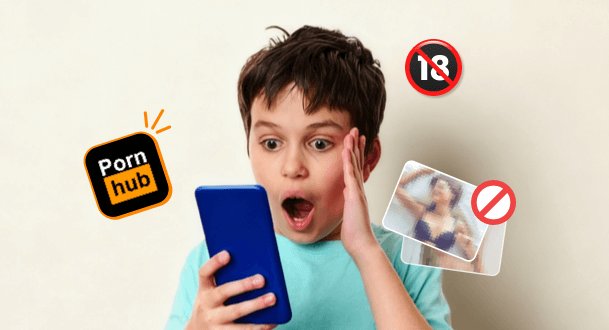
Whisper permits the sharing of images, and this is risky to children. AirDroid scans the pictures on the phone and provides alerts when it detects anything unsafe. This will enable the parents to react fast and discuss with their child before the circumstance escalates.
This reduces exposure to harmful images.
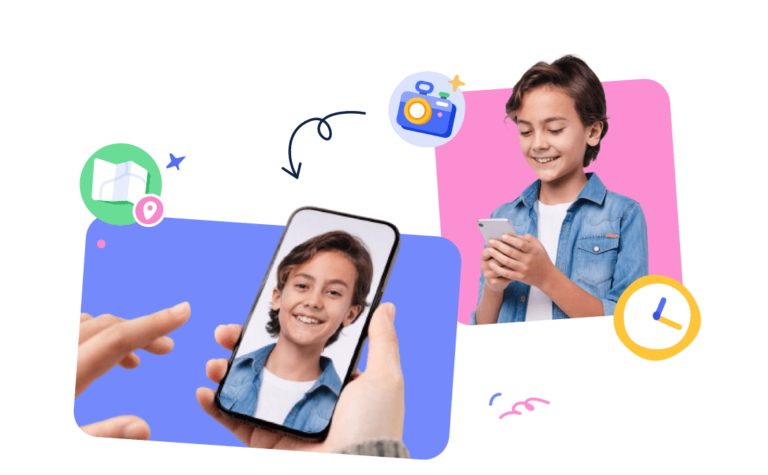
Live screen viewing allows parents to know what their child is doing at any given time. When something wrong is experienced, parents will be able to see the activity instead of guessing. This feature works best when used only during concern, not all the time, which helps keep trust while improving safety.
A lot of children are deleting chats, yet message patterns are still visible in the notifications. AirDroid also allows parents to see the app notifications, and that way, they can see repeated messages or contacts that are unknown. These minor indications usually talk issues early, and parents intervene before the risks can escalate.


Whisper is not child-friendly, and its anonymous chat and passing of images bring real threats. The teens use the application due to the desire to be private and free to discuss. Parents are expected to respect such sentiments, but at the same time safeguard their safety. It is not a solution to block the app and leave it alone, and it may make the situation worse. The most important thing is open discussions, clear boundaries, and appropriate tools.
AirDroid Parental Control makes it easier to monitor potentially dangerous activity, identify red flags at an early stage and escort their children through the perilous areas of the internet, such as Whisper.










Leave a Reply.