- Ages 4-6: No more than 45 mg per day
- Ages 7–9: No more than 62.5 mg per day
- Ages 10–12: No more than 85 mg per day
- Ages 13 and older: No more than 2.5 mg per kg of their weight
*from Health Canada
24/7 Kids' Guardian via App & Web
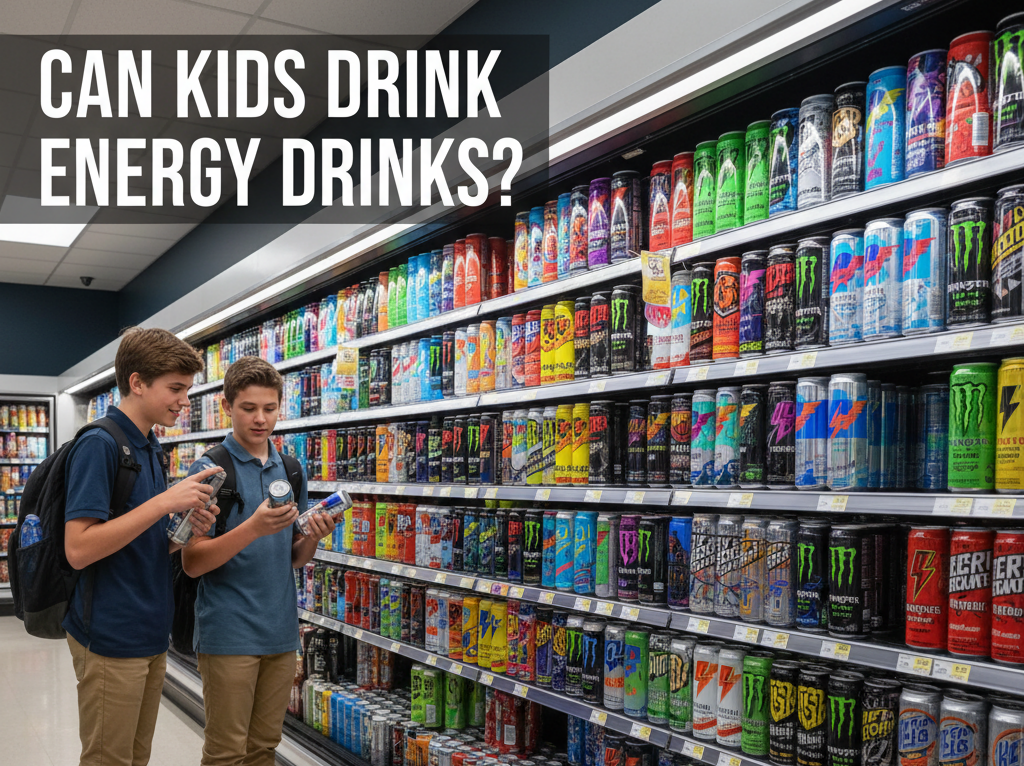
Energy drinks have been popular not just among adults but increasingly among kids and teens. That's why, when you walk into any store near a school, you'll find an entire wall lined with canned drinks, all promising "energy boosts."
Despite their popularity, major health authorities are raising red flags about energy drinks, especially for children. In short:
In truth, many health organizations and child health experts agree on this: energy drinks are not appropriate for children or teens.
Pediatricians from the AAP and CPS state that stimulant-containing energy drinks are unnecessary in children's or adolescents' daily lives. Regular intake may increase risks like obesity, dental erosion, and negative effects on growth and development.
(Academy of Nutrition and Dietetics, American Academy of Pediatric Dentistry, American Academy of Pediatrics, and American Heart Association)
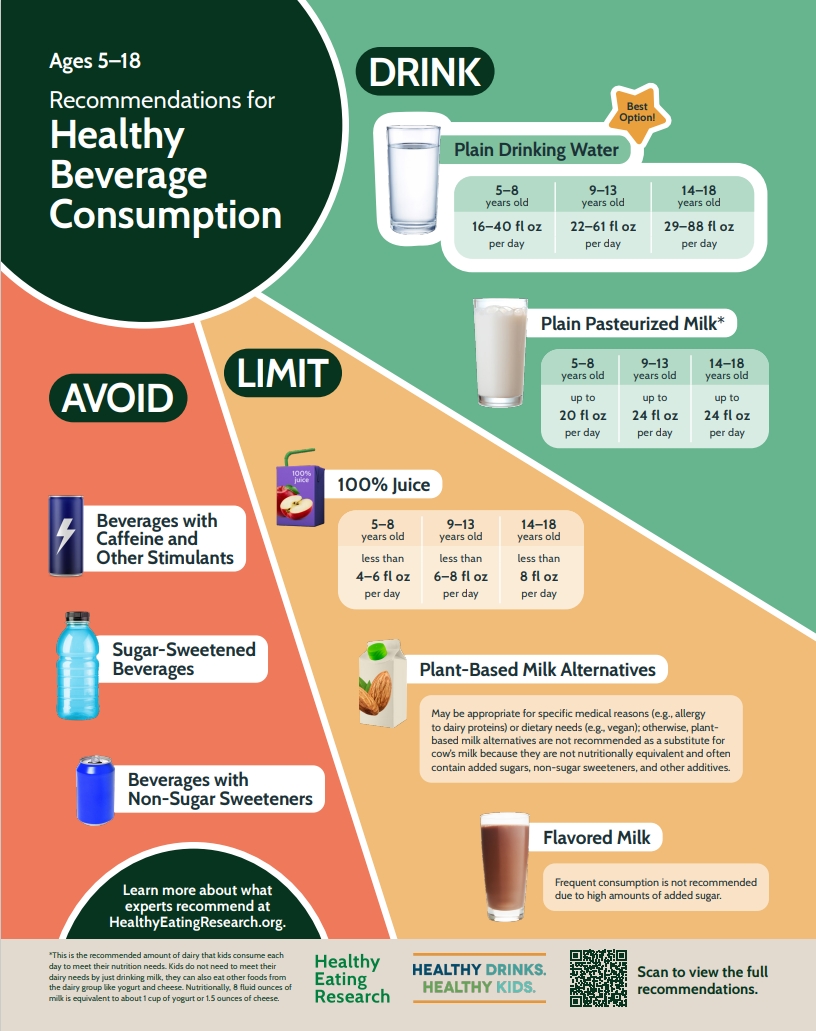
They developed evidence-based recommendations for kids aged 5-18, which suggest that sugar-sweetened beverages (energy drinks included) should be avoided.
Both Victoria L. Vetter, MD, and Maryam Y. Naim, MD emphasize that energy drinks' high caffeine levels pose real risks to youth and recommend stricter regulation.
Dr. Holstege also warns that the high caffeine dose in energy drinks can cause health complications, particularly for children with underlying conditions or those on medication.
Dr. JJ Levenstein also discussed why popular energy drinks could be dangerous for children in a YouTube video.
"There's literally no nutritional value, and the amount of caffeine and sugar is just insane for a developing body. Let them be a kid. They don't need a can of heart palpitations to get through middle school." -- from Troakova.
"I know this is gonna be an unpopular opinion in this sub, but you really shouldn't be drinking energy drinks under the age of 18. They can lead to early heart problems if you drink too many." -- from jjpwedges.
"If the child wants caffeine, let them drink a coke or smth not a monster or energy drink. This is not ok." -- from No-Manufacturer5023.
"They really are horrible for you, my ex husband would buy them for our son when he was 11 until now (turned 15 this week) and his doctor said stop it asap." -- from Ihaveaboobybaby.
"I'd say no kids should be allowed energy drinks. I am 17 and started drinking those Alani energy drinks. They taste very good, but I started to get very sick. I'm not sure if that's why or not, but I felt better when I stopped drinking them." -- from IsopodKey2040.
Energy drinks are non-alcoholic beverages designed to boost energy and reduce fatigue. They belong to "functional beverages" and usually contain:
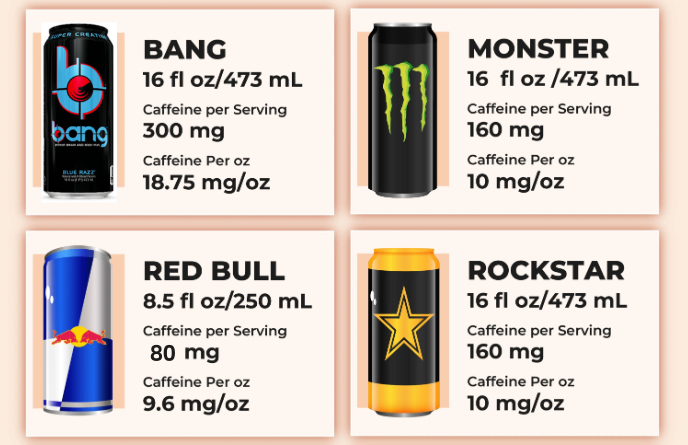
Caffeine Levels by Common Energy Drink Brands
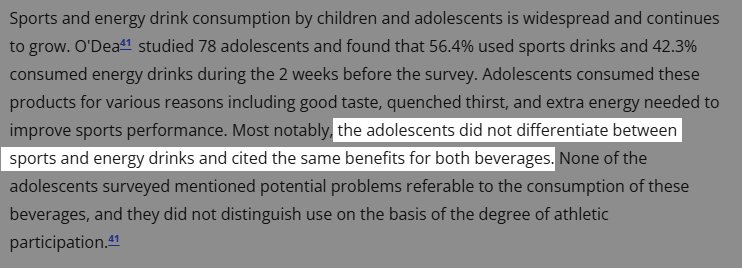
Some parents and kids may mistake energy drinks and sports drinks, but they serve very different purposes:
| Energy Drinks | Sports Drinks | |
|---|---|---|
| Primary Focus | Stimulation | Rehydration and recovery |
| Key Ingredients | Caffeine, sugar, stimulants, vitamins | Water, electrolytes, and carbohydrates |
| Caffeine Level | High | None |
| Sugar Level | High | Moderate |
| Best Used For | Staying awake, mental stimulation | After prolonged and intense physical activity |
As we stated above, energy drinks often contain far more caffeine than soda and espresso. The high doses of caffeine can trigger sleep disruption, increased heart rate and blood pressure, jitters, headaches, and nausea.
Additionally, poor sleep can even push kids into a cycle of needing even more caffeine or energy drinks the next day.
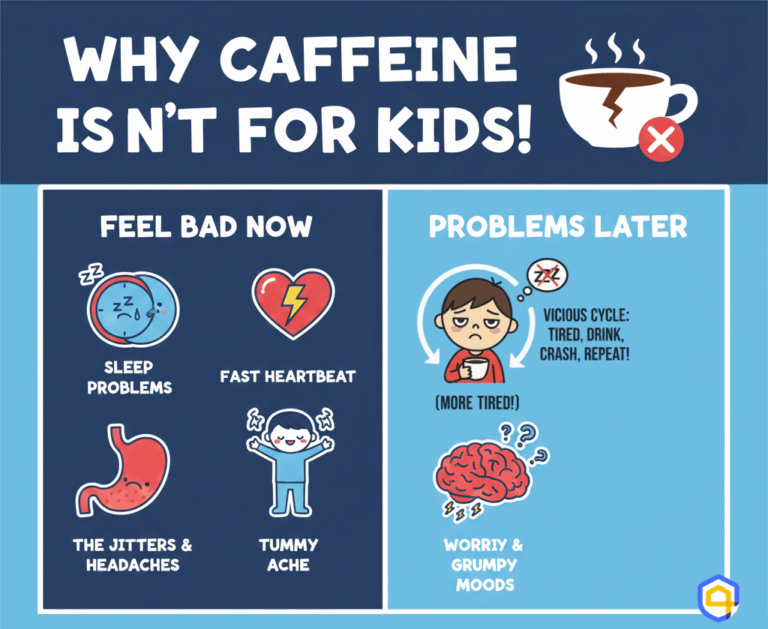
Dr. Holstege also notes that caffeine, as a stimulant, is associated with anxiety and even seizures or heart rhythm issues.
There is no doubt that excessive sugar can cause tooth decay.
Though some energy drinks promise to be sugar-free, they just don't use natural sugars but artificial sweeteners. That is, they can still erode your kids' tooth enamel and cause cavities.
What's worse, the massive sugar intake forces the pancreas to pump out insulin, which, over time, can increase the risk of insulin resistance, diabetes, and obesity.
To help their body flush out the caffeine naturally, encourage them to drink more water. This supports the kidneys as they process the stimulants.
And more importantly, ensure they don't finish the can or have any other caffeinated drinks (like soda, coffee, or tea) for the rest of the day.
Do not let them go to sports practice or perform intense exercise. Their heart rate and blood pressure might already be elevated after drinking energy drinks; adding physical exertion can lead to dangerous cardiac stress.
Anything in excess in a short period of time can cause side effects. For example, a healthy 54-year-old man suffered a stroke after consuming eight energy drinks last year.
If your child consumed several cans of energy drinks in a day, you should seek the ER if your child shows extreme symptoms like:
If your child has tried an energy drink, it can be a helpful chance to start a conversation rather than panic or punishment.
*from Health Canada










Leave a Reply.