AirDroid Parental Control
24/7 Kids' Guardian via App & Web
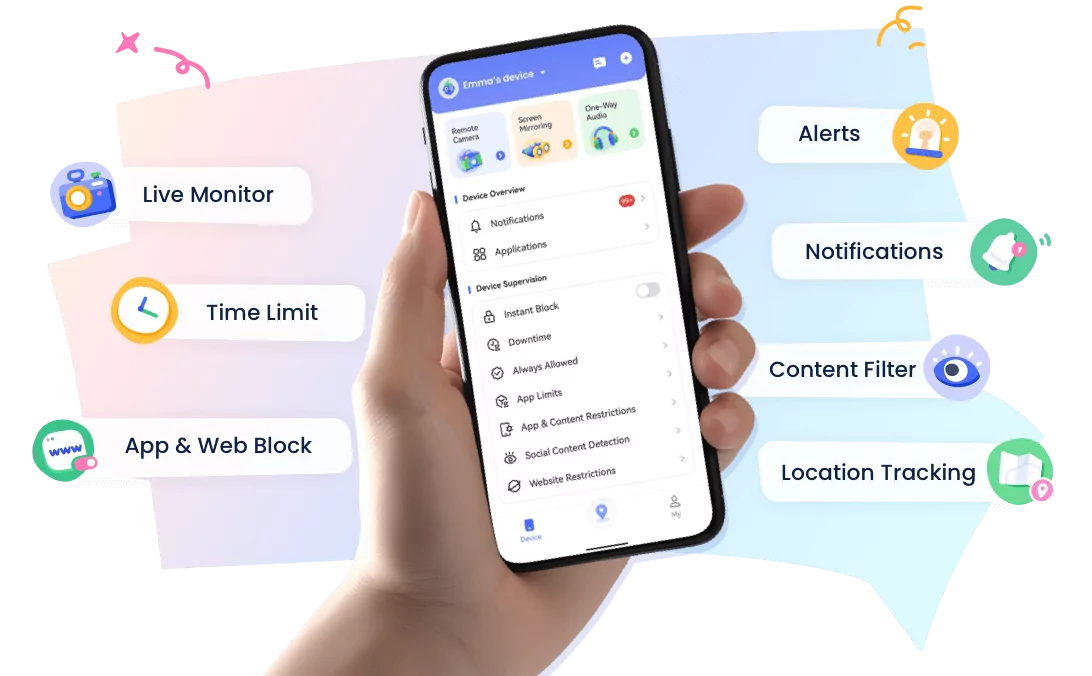
- 👀Live surroundings and location tracking
- 🔞Content Monitoring and App/Web Blocking
- ⚠Instant alerts for online risks and geofences
- ⌛Screen time control and monitor
What are Streaks for Snapchat: What Parents Need to Know
Many parents wonder what streaks are for Snapchat and why they matter so much. For kids, these numbers are a symbol proving their friendships or bonds are strong. The app rewards them for daily contact via Snapping, making it feel like a strict duty to keep the streak going.
However, the constant need to Snap leads to anxiety and sleep loss due to late-night phone use. The strict 24-hour timer creates pressure that forces kids to ignore real-life responsibilities. To keep the numbers high, they might even interact with dangerous strangers online.
Because of these risks, parents must go beyond asking what streaks are for Snapchat and take action. Kids can’t easily fight the app’s addictive system on their own. By setting clear boundaries and using Snapchat parental control tools, parents can turn this stressful habit back into a safe one.
What are Streaks for Snapchat?
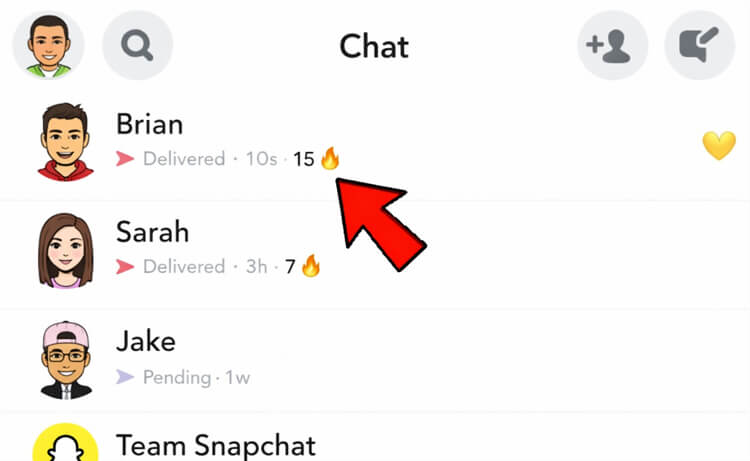
A Snapchat Streak is a status indicator next to a friend’s name on Snapchat’s contact list. It’s represented by a fire emoji (🔥) and a number. Simply put, this number tracks how many days in a row two friends have exchanged Snaps, either photos or videos, with each other.
The streak officially activates after three consecutive days of Snapping. For example, if friends exchange Snaps from Monday to Wednesday, the icon appears on Thursday with the number “3.” This count increases by one each day as long as the streak remains active.
The design is meant to stand out within the app. These numbers often use bright colors and appear next to special status emojis, such as hearts. This gives immediate visual satisfaction, encouraging the habit of checking the app daily.
1. The Rules: What Counts and What Doesn’t Count as Streaks
Snapchat has specific rules of what counts as a streak. Snapping prioritizes real-time photos and videos over standard text chats. Therefore, learning what streaks for Snapchat requires knowing exactly which interactions count.
Valid Interactions Counted as Snapchat Streaks:
| Interaction | Validation Status | Explanation |
|---|---|---|
| Photo Snaps | Valid (Mandatory) | Must take a new photo using the in-app camera and send it directly to a friend. |
| Video Snaps | Valid (Mandatory) | Videos recorded directly through the in-app camera and sent to a friend. |
| Text Messages (Chat) | Invalid | Chatting via the text feature doesn’t extend the streak. |
| Photos/Videos from Memories/Gallery | Invalid | Sending old photos or videos stored phone doesn’t count. Content must be real-time. |
| Stories | Invalid | Posting to a public story (My Story) visible to everyone doesn’t count. |
| Group Chat | Invalid | Snaps sent to a group don’t count as individual streaks. |
The most important rule is the strict 24-hour time window. To keep the streak going, both friends must send a new Snap within this period. An hourglass emoji (⏳) will also appear to warn friends before the time runs out and the count resets to zero.
Why Snapchat Streaks are So Attractive to Kids and Teens
The obsession with streaks comes from a teen’s basic need for connection and social identity. Unlike adults, teens view social media as a vital living space. This explains why keeping a Snapchat streak going becomes a key part of their daily routine.
1. Keeping Connections and Relationships
Snapchat is popular because it offers digital intimacy through its disappearing content. This feature removes the pressure of permanent scrutiny, allowing teens to be authentic. They can interact freely without the fear of being judged by others.
Streaks act as a daily ritual to maintain this safe connection. Sending a quick Snap is a modern, low-pressure way to show care without writing a perfect text. This feature serves as simple, consistent touchpoints for maintaining friendships.
Psychologically, teens prioritize peer relationships over family. Streaks provide a way to validate these important bonds. The high numbers serve as proof of a strong friendship, even if friends can’t meet in person every day.
2. Competition and Status among Peers
For teenagers, digital numbers act like social currency. While Instagram relies on “Likes,” Snapchat uses streaks as the main measure of status. Teens believe that the higher the numbers next to a friend’s name, the cooler and socially relevant the individual is.
This creates an informal ranking system where teens compare scores to judge social standing. A long streak with a popular friend or a friend with high numbers can boost their own status. Consequently, streaks serve as a badge of importance within the friend group.
The app turns friendship into a game to keep users engaged. Seeing the score go up triggers a feeling of reward. This makes staying in touch feel less like a conversation and more like leveling up in a game.
3. Fear of Breaking a Streak
The most powerful psychological driver behind this behavior is fear. It influences how teens interact with the app and maintain their daily habits. To fully understand what streaks for Snapchat are, one must understand the specific anxiety that fuels this obsession.
For many teens, digital symbols feel as real as emotional connections. Breaking a streak is often seen as a sign of rejection or a failing friendship rather than a simple mistake. This causes panic when the hourglass icon appears, as friends worry that the relationship itself is ending.
The app uses a concept called loss aversion, where people fight to keep what they already have. Teens treat streaks like a survival game, viewing a broken streak as a significant loss. Consequently, losing a long streak can cause real anger and emotional distress.
4. Daily Obligation and Obsession
Over time, sending and sharing Snaps shifts from a fun activity to a daily chore. Teens feel forced to reply, treating the streak like a digital pet that needs care every day. If they fail to do so, it triggers guilt and anxiety about letting the streak end.
This pressure leads to GM Streaks. It’s a situation where friends send blank photos or quick greetings just to satisfy the 24-hour timer. These interactions, ultimately, lose meaning as the focus shifts to maintaining the numbers rather than enjoying the friendship.
Guilt eventually becomes the main motivator, as breaking a streak feels like a personal rejection. Teens are afraid that letting the streak end will disappoint their friends and waste months of Snapping. Parents trying to understand what streaks for Snapchat often find their kids trapped in this exhausting cycle of digital obligation.
Are Snapchat Streaks Safe for Kids?
The safety of Snapchat streaks isn’t a simple yes-or-no issue. While the feature can help strengthen friendships, its addictive system brings significant risks. Parents need to understand both sides to judge what streaks for Snapchat effectively.
1. Positive Aspects of Snapchat Streaks
Although often criticized, this feature does offer social benefits when used correctly. It can support social development if the child manages it well. Below are the key ways it can help.
- Encourages Communication
For shy or quiet teens, streaks offer a structured reason to say hello. They don’t need to come up with a new topic just to start a conversation. The daily obligation itself acts as an easy ice-breaker that keeps the conversation going.
- Maintains Long-Distance Connections
For teens with friends in other cities, this feature helps them stay connected. The daily routine keeps the friendship alive despite the distance. It prevents relationships from breaking up just because they can’t meet in person.
2. Potential Risks Parents Should Be Aware of
However, the downsides often outweigh the benefits. This is especially true for kids who struggle with impulse control. The following risks are common among younger users.
- Social Pressure and Anxiety:
The 24-hour reply rule for streaks causes constant stress and social anxiety; kids panic over losing signal while away.
- Late-Night Phone Use:
Teens stay up late waiting for replies to save streaks, ruining their sleep schedules.
- Maintaining Streaks with Strangers:
The drive for high streak counts leads teens to add strangers via Quick Add, raising risks of bullying or predator contact.
- Increased Screen Time without Meaningful Interaction:
Streaks boost screen time with empty exchanges (blank photos, quick greetings) that replace real hobbies, worrying parents about their child’s growth.
Signs Snapchat Streaks are Becoming a Problem
Parents should watch for behavioral changes that signal an unhealthy obsession. These signs often show that the app is affecting the child’s mood. Here are the key red flags to look for:
- Stress when Losing Access
Poor internet triggers anger/panic in kids, who fear missing streak time limits—an over-the-top reaction to the situation.
- Disrupted Sleep Patterns
Kids stay up late or check phones immediately after waking to save streaks, prioritizing them over healthy sleep and draining their energy.
- Emotional Distress when a Streak Breaks
A broken streak upsets or angers kids deeply; they react as if losing a real friendship, revealing strong emotional attachment to the streak.
- Inverted Priorities
Kids prioritize streaks over homework, meals, and sleep—even sharing passwords to maintain them—warranting parental awareness of this obsession’s daily harm.
Can Parents Turn Off Snapchat Streaks?
Frustrated parents often ask if they can simply disable the Snapchat streak feature or just block Snapchat to stop the obsession. The answer is essentially “no.” Unfortunately, the app doesn’t provide a button or setting to specifically turn off the feature.
Streaks are a core part of Snapchat’s system to keep users engaged and hooked. Removing them would stop users from coming back every day. Therefore, understanding what streaks for Snapchat means accepting that they’re a permanent feature of the app.
Since the app itself has no direct solution, parents can use tools like AirDroid Parental Control to limit access. Setting strict downtime forces the child to send Snaps earlier in the day. This makes the social connection alive while protecting their sleep and mental health.
How Parents Can Manage Snapchat Streak Pressure
Managing this pressure requires both understanding and firm limits. Willpower alone is often not enough to fight the app’s addictive system. Combining communication and technical rules is usually the best approach.
1. Traditional methods
Communicate with Kids
Strict punishment is often less effective than open communication. Honest conversations help kids understand the reasons behind the rules. Parents should focus on guiding their children rather than just giving orders.
Set Boundaries and Mitigate Risks
Explain that their safety is the priority, not ruining their fun. Ask if a real friend would truly get angry over a missing emoji next to their name.
Establish Ground Rules
Switch the settings to “Friends Only” to prevent contact from strangers. Also, ensure that Snap Map is turned off, which is a necessary safety net for your child.
Limitations of Verbal Promises
Relying on a simple promise rarely works against addictive apps. Teens often struggle to fight these digital urges on their own. Therefore, technical support is usually needed to make sure the rules stick. Tools like AirDroid Parental Control can help maintain these boundaries effectively.
2. Extra Support: Using AirDroid Parental Control to Set Healthy Boundaries
Parental control technology is important when verbal advice alone isn’t enough to change habits. AirDroid Parental Control offers specific technical solutions to manage these difficult digital habits. It provides the necessary tools to apply safety rules that kids might otherwise ignore.
Most Snapchat monitoring apps struggle to safeguard kids across online and offline scenarios — a critical shortcoming that AirDroid addresses. It eliminates digital blind spots by giving parents full visibility, so kids stay fully protected.
AirDroid provides specific tools designed to guarantee kids' safety and prevent potential dangers.
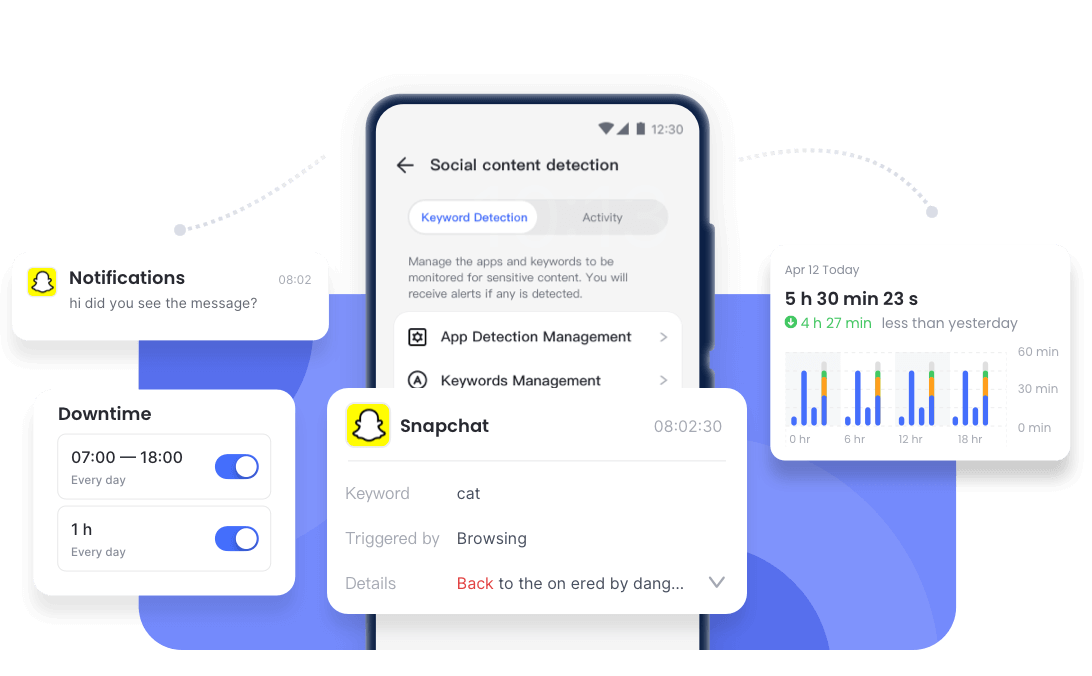
- Real-time Alerts
It detects potentially dangerous messages in real time, which helps parents find potential risks on Snapchat.
If it detects nudity or inappropriate content, it will send an immediate alert to the parent. Parents can intervene to prevent addiction.
- Flexible Time Management
Parents can track daily time spent on Snapchat and other apps, preventing all-night Snapchat use. Schedule & App Limits can lock access during sleep/study hours, reducing streak-related fatigue and obsession.
- Spot Stranger Risks
Notification sync & Screen Mirroring show messages directly on parents device. You can see who is chatting to your child when the kid doesn't reply for a long time and you are fearing their safety.
With these features, parents can spot risks before they become problems. This protection keeps digital habits under control. It effectively turns a chaotic situation into a manageable one.




Conclusion
Streaks are a tool designed to keep users hooked rather than just providing fun. The app uses psychological triggers to ensure kids open it every day, keeping the streak going. This system prioritizes user engagement over a teen’s well-being.
Unfortunately, many kids don’t realize this feature creates constant anxiety. They view Snap-sending activities as a strict duty, ignoring the mental stress it brings. What starts as a hobby now becomes a daily chore that ruins their sleep and real priorities.
To solve this, parents can use tools, such as AirDroid Parental Control, to set healthy boundaries. Setting clear limits helps kids balance social needs without becoming obsessive. Ultimately, fully understanding what streaks for Snapchat encourages parents to protect their kids effectively.














Leave a Reply.