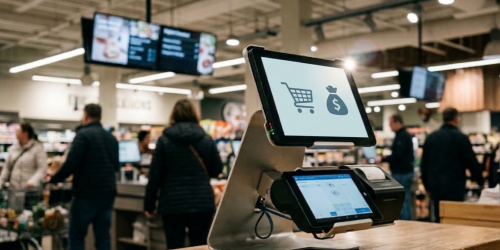
This guide explains how MDM strategies minimize downtime for retail tablets, POS systems, and self-service kiosks. We detail using granular lockdown to prevent user errors and automated alert workflows to resolve hardware triggers before they lead to system failure. By leveraging remote support and staged rollouts, IT managers can maintain a resilient fleet without expensive site visits.
Different devices in your store serve different masters. Your configuration profiles should reflect these specific needs.
1.1 Fixed POS and Cashier Tablets
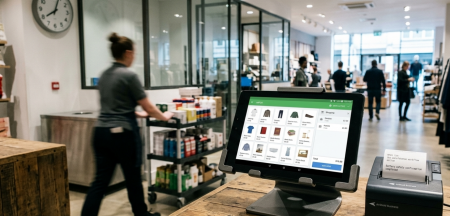
Stability is the only metric that matters here. These devices need strict Application Management (AMS) to prevent system updates from triggering during business hours. You should also disable all non-essential hardware features like cameras or USB file transfers to keep the system lean and secure.
1.2 Self-Service Customer Kiosks
These are unattended and prone to tampering. Beyond a simple App Lock, you need a dedicated Kiosk Browser that automatically clears cache and cookies after every session. This ensures the next customer cannot access the previous person’s data or session history.
1.3 Digital Signage and Menu Boards
These require constant uptime monitoring. If the HDMI connection drops or the app crashes, the MDM should be configured to send an immediate alert to the central dashboard so the issue can be fixed before customers notice a blank screen.
2The Implementation Playbook: Deployment to Security
2.1 High-Speed Enrollment
Manual setup is a relic of the past. For retail environments, utilize Zero-Touch or QR code enrollment. If you are using specialized Android hardware that lacks GMS, look for tools that support ADB-based bulk enrollment to get devices store-ready in minutes.
2.2 Granular Lockdown and Device Hardening
A secure retail device is a restricted one. Implement these specific controls to prevent unauthorized access:
Connectivity Management: Lock Wi-Fi to the store SSID so staff cannot switch to a personal hotspot or unsecured network.
System UI Restrictions: Disable the status bar, home button, and recent apps menu to prevent users from escaping the designated kiosk application.
Peripheral Safety: Block Bluetooth and unknown USB connections. This prevents unauthorized data transfers and protects the device from potential malware through external hardware.
2.3 Remote Support without Site Visits
The most significant cost in retail IT is "truck rolls" (sending a technician to a physical store). You can eliminate this by using advanced remote troubleshooting tools.
Remote Control and Observation
When a store manager reports a "frozen" POS, IT should be able to take over the screen instantly. Using two-way voice chat during a remote session allows the admin to guide the local staff through hardware checks, such as verifying a receipt printer's power cable or paper roll.
Patented Black Screen Mode
Security is a major concern when fixing a device in a crowded store. While an admin works on the back-end via remote control, Black Screen Mode hides the maintenance process from the public. This prevents customers from seeing sensitive admin passwords, customer data, or internal system layouts.
2.4 Zero-Touch Maintenance: Alerts and Automated Workflows
In a high-volume retail environment, IT teams cannot monitor dashboards 24/7. Instead of manual monitoring, professional MDM utilizes a combination of Real-time Alerts and Automated Workflows to resolve common hardware and software glitches automatically.
Building an Automated Response Loop
This infrastructure allows you to define specific triggers based on device health. When an anomaly is detected, the system executes a pre-defined workflow without human intervention.
App Persistence: If a POS or Kiosk app crashes or is moved to the background, a "Run App" workflow can automatically relaunch it to the foreground within seconds.
Environmental Protection: Triggers for high battery temperature or low storage can initiate a "Dim Screen" or "Clear Cache" action. This prevents hardware damage and ensures the device stays operational during peak hours.
Connectivity Recovery: If a device loses its network connection for a specified period, the system can be configured to automatically reboot or refresh network settings to attempt a reconnection.
2.5 Managing Updates without Business Interruption
The Application Management System (AMS) is essential for retail. Never push a global update all at once. Use a staged rollout strategy to mitigate risk:
1. Push the update to a small test group (5% of stores).
2. Monitor for stability and performance for 24 hours.
3. Schedule the final 95% to install during off-peak hours (e.g., 3:00 AM local time).
A retail-focused MDM is more than an asset tracker. It is a tool for maintaining business continuity. By focusing on the combination of proactive Alerts and Workflows, IT teams can manage thousands of store endpoints with minimal headcount and significantly reduced downtime.
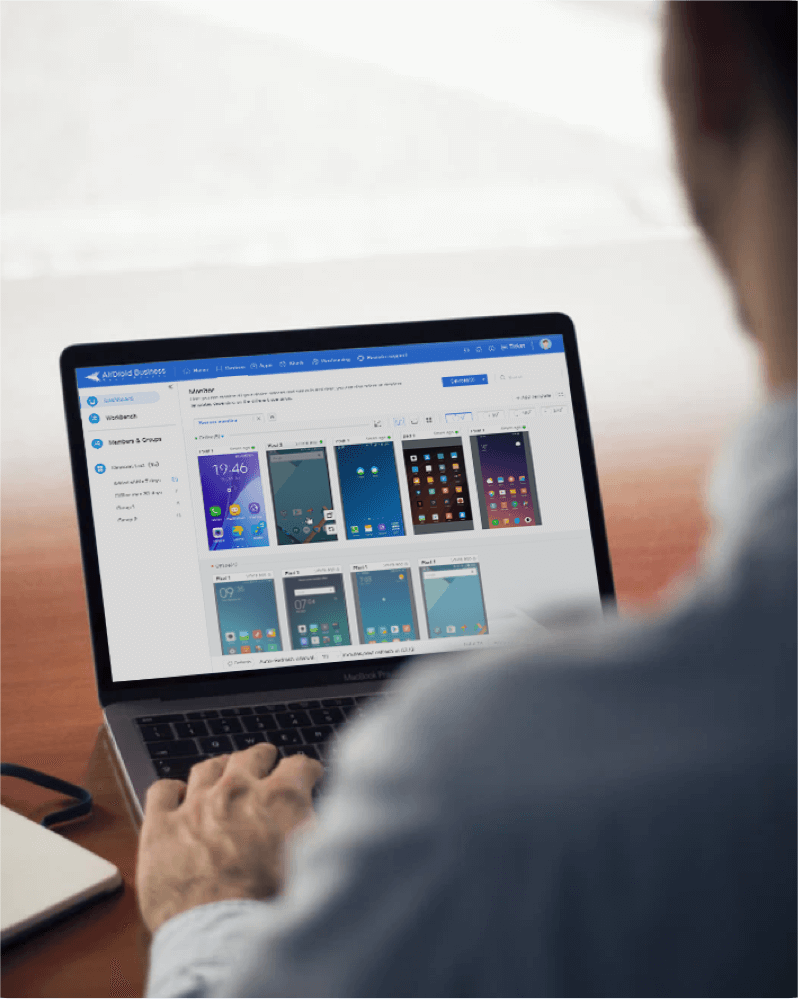
To execute these strategies across hundreds of store locations, a platform like Airdroid Business provides the necessary automation and security infrastructure. It acts as the central command center for managing thousands of retail endpoints, ensuring high uptime and operational resilience with minimal manual intervention.
All-in-one MDM Solution
Supports Android devices from Android 4.0 and above
Starting at just $1/device/month
Real-time alerts and automated workflows
Quickly pre-set device(s) using customizable templates
Black screen mode for secure unattended remote access
1. How do I prevent staff from changing device settings?
The most effective method is using Single App or Multi-App Kiosk mode. This hides the settings menu entirely and disables physical buttons so users cannot exit the authorized application or modify system configurations.
2. Can I manage Windows POS and Android tablets together?
Yes. A unified dashboard allows you to manage both operating systems from a single screen. You can apply specific lockdown policies to Android tablets while simultaneously managing Windows patches and MSI installers.
3. What happens if a device goes offline in a remote store?
You can configure a Connection Loss alert to notify the IT team if a critical terminal fails to check in for more than 10 minutes. This allows your team to investigate potential network issues before they affect the next customer in line.
4. How do we handle app updates during business hours?
You should avoid manual updates entirely. Use an Application Management System to schedule silent installs during off-peak hours. This ensures that POS software is updated automatically at 3:00 AM without requiring any staff interaction at the store level.
5. Can I troubleshoot hardware peripherals like printers or scanners remotely?
While MDM manages the tablet, you can use remote control with two-way voice chat to guide on-site staff. By using the remote camera, an admin can visually inspect if a receipt printer is jammed or if a barcode scanner is unplugged.
6. What is the best way to handle a stolen or lost retail device?
You can set up a Geofence workflow. If a handheld scanner leaves the store perimeter, the device can be programmed to enter Lost Mode automatically, which locks the screen and wipes sensitive local data to prevent unauthorized access.
Gareth Mitchell is a tech writer who knows stuff about MDM (mobile device management) very well. Meanwhile, he breaks down tricky tech topics so they're easy to grasp.







Leave a Reply.