The energy industry is critical for delivering essential resources like heat, gas, power, and fuel to homes and businesses, ensuring a continuous and reliable supply.
This vital system depends a lot on mobile devices. For companies that offer full energy solutions, giving technicians and drivers strong Android tablets is key for getting work done and sending out crews.
But handling many of these devices for teams spread out and on the move brings its own problems.
How well these tablets work, how secure they are, and how dependable they are directly affects how successful operations are and how happy customers are. Solving these problems with good device management is a must to keep service running smoothly.
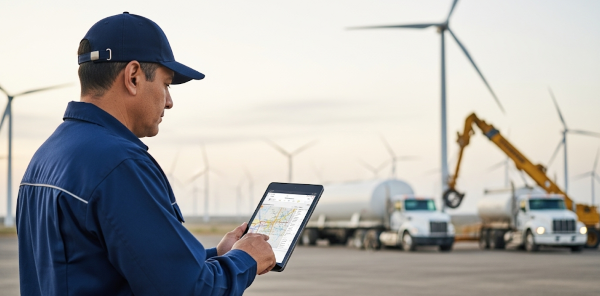
1What Are the Challenges of Mobile Device Management in the Energy Industry?
Difficulties in Maintaining Application Consistency and Timeliness
Energy service providers heavily depend on specialized applications for tasks like service and dispatch. The primary challenge isn't just installing these apps, but ensuring that every single tablet runs the correct, most up-to-date version of all necessary software.
For a fleet of dozens of tablets used by technicians in the field or drivers on the road, manual updates are impractical and error-prone. Outdated apps can lead to dispatch errors, service delays, or even compliance issues, directly impacting service quality.
Device Misuse
Corporate-issued mobile devices, even rugged tablets, carry the potential for personal use. If not managed, this can include non-work-related Browse, games, or unauthorized app downloads.
Such activities not only reduce productivity and drain critical battery life during long shifts but also introduce security risks by potentially exposing devices to malware or inappropriate content. Maintaining a work-focused environment is crucial for efficient operations in the field.
Device Downtime
In the energy sector, a malfunctioning device can immediately disrupt operations, leading to missed appointments, delayed fuel deliveries, or critical information gaps.
When a tablet used for dispatch or service experiences issues in the field, technicians need swift resolutions.
Relying on them for complex troubleshooting or requiring devices to be sent back for repair significantly increases downtime and places a heavy burden on IT support staff. Efficient, remote resolution is key to keeping the mobile workforce productive.
2 How Can MDM Solve Energy Device Management Challenges?
AirDroid Business MDM offers a centralized platform that directly addresses the complex device and application management needs of the energy industry.
How Does MDM Streamline Application Management?
AirDroid Business's Application Management System (AMS) is vital for maintaining app consistency and timeliness across a dispersed fleet:
- IT teams can remotely upload any new or updated application, including custom service/dispatch apps, directly to the AirDroid Business dashboard.
- Installations or updates can be pushed to individual tablets, specific groups, or the entire fleet, regardless of their physical location.
- This ensures all devices run the latest, most secure versions of essential software. Furthermore, updates can often be performed silently in the background, minimizing interruption to critical field operations.
How Does MDM Ensure Focused Productivity with Kiosk Mode?
To combat device misuse and ensure undivided focus on work tasks, AirDroid Business's Kiosk Mode is indispensable:
- This feature allows IT to lock down devices to run only authorized work applications, such as the dispatch app or energy measurement tools.
- This completely prevents access to non-work-related apps (e.g., games, social media), eliminating distractions and conserving crucial battery life during long shifts.
- Kiosk Mode also restricts user access to system settings, enhancing device security and ensuring consistent, uninterrupted operation for critical tasks.
How Does MDM Provide Remote Monitoring & Support to Reduce Downtime?
AirDroid Business provides comprehensive tools to minimize device downtime and reduce IT support overhead:
- IT teams can remotely monitor the health, battery level, online/offline status, and active applications of every mobile tablet from a centralized dashboard.
- If a technician encounters a software issue in the field, IT support can remotely access and control the device. This allows them to diagnose problems, perform troubleshooting steps, or even guide the user through a process as if they were physically present.
This capability significantly reduces repair times and ensures technicians and drivers remain productive in the field.
3 Case Study - How Does MDM Look in Action for Energy Device Management?
Consider a prominent energy solutions provider. This company relies heavily on a fleet of Android tablets for its HVAC technicians and fuel truck drivers.
These devices are crucial for their core operations, running a key service/dispatch application. Before implementing MDM, the company faced significant operational hurdles:
- Manually updating their primary application was time-consuming and often led to inconsistent software versions across their fleet, causing dispatch errors and productivity lags.
- Onboarding new staff meant tedious manual device setup and logins, delaying deployment. Moreover, the ability for technicians to access non-work apps led to distractions and drained device batteries prematurely during critical shifts.
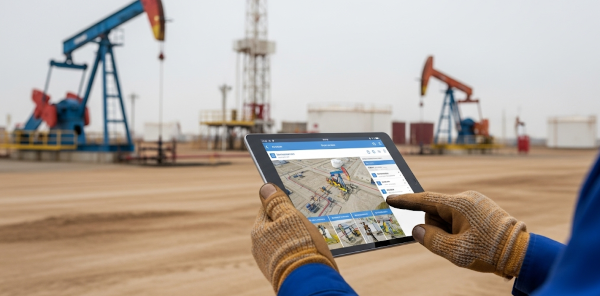
Implementation of AirDroid Business MDM:
The energy provider deployed AirDroid Business MDM across their fleet of tablets. They strategically leveraged two core features:
- Kiosk Mode: All tablets were configured to operate in Kiosk Mode, rigidly whitelisting only the necessary service/dispatch application and other essential work tools. This instantly locked down the devices to their intended work purpose.
- Application Management System (AMS): The AMS became the central hub for managing all applications. The IT team uploaded their proprietary service app to the AMS, enabling remote installation, seamless updates, and silent pushes of new versions across the entire fleet.
- Remote monitoring and support features were also activated to provide real-time visibility and troubleshooting capabilities.
Tangible Results & Benefits:
The integration of AirDroid Business MDM brought about a significant transformation in the energy provider's mobile operations:
- Near 100% Application Consistency: The AMS ensured that every single tablet, regardless of its user or location, always ran the latest version of their critical service application. This virtually eliminated service errors caused by outdated software.
- Boosted Productivity & Extended Battery Life: Kiosk Mode successfully eliminated device misuse. Drivers and technicians remained entirely focused on their tasks, leading to more efficient service delivery. Battery life saw a noticeable improvement as device resources were no longer consumed by non-work applications.
- Reduced IT Support Burden: With remote app management, many common software issues could be resolved without requiring physical intervention. This significantly reduced IT support tickets and freed up resources to focus on more strategic tasks, all while keeping the field teams operational.
By leveraging AirDroid Business MDM, the energy solutions provider transformed its mobile device management from a reactive challenge into a proactive, highly efficient operation, ensuring seamless energy solutions delivery to its vast customer base.


Leave a Reply.