What Does Type Shi Mean?
"Type Shi" is a colloquial expression used to show agreement, acknowledge a relatable situation, or validate someone's statement as being accurate.



Is Type Shi Safe? Meaning, Risk & Tips
The same word can mean very different things. Here's what to look for in your child's situation.
Mostly harmless — but context matters.
Teens use "Type Shi" to show agreement or acknowledge a relatable vibe during casual chats. It’s a popular way to validate friends online. While the meaning is positive, the phrase stems from mild vulgarity. Simply guide your teen on using appropriate language for different settings to maintain respectful communication.
- Used to agree or show understanding in casual chats
- Commonly used on social media to affirm someone's point
- Expresses shared feelings or relatable situations lightly
- Overused to avoid deeper conversation or emotional sharing
- Used to dismiss others' concerns without real engagement
- Appears when someone feels isolated but hides feelings

What to Do If Your Child Is Using Type Shi
Every situation is different. Here are four approaches — pick what fits yours.
Start with Curiosity
Position yourself as a learner, not a monitor — teens respond far better when they feel respected than when they feel interrogated. Skip the accusations and lead with genuine interest.
Watch Before You Act
You don't always need to bring it up immediately. Give it a few days — observe the pattern, who they're with, how they're feeling. One data point isn't a trend.
Set Clear Expectations
"Type Shi" may be normal to them, but normal doesn't always mean appropriate. One honest conversation about what you expect beats ten arguments after the fact.
Stay a Step Ahead
Sometimes slang moves faster than conversations can happen. Being informed isn't about invading privacy — it's about being ready to guide them when it matters.
Get Alerted When Type Shi Shows Up
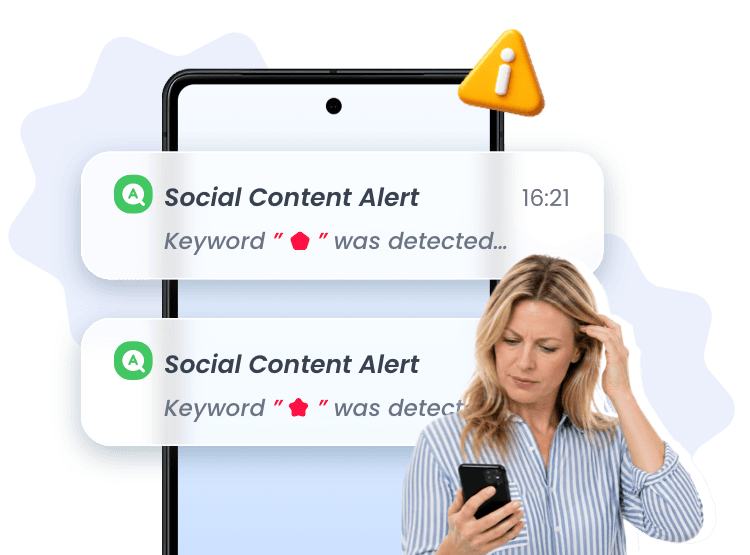
Want to know the moment your child encounters slang like “Type Shi” ? AirDroid sends you an alert when it shows up — before it becomes a surprise.



Heard Another Word You Don't Recognize?
Search any slang term and go straight to the full breakdown - meaning, risk level, and what to do next.