What Does Finsta Mean?
"Finsta" refers to a private, secondary Instagram account where users post candid, unedited content for close friends, avoiding the pressure of a curated main profile.



Is Finsta Safe? Meaning, Risk & Tips
The same word can mean very different things. Here's what to look for in your child's situation.
Mostly harmless — but context matters.
Teens use "Finsta" to refer to private Instagram accounts for sharing candid, unedited photos with close friends, often to escape social pressure. While mostly for fun, stay alert if your teen becomes overly secretive or uses these hidden accounts to bypass your guidance on safe online behavior.
- Used to share funny, unfiltered moments with close friends only
- A private account for relaxed, genuine posts without pressure
- Common among teens and young adults for casual sharing
- Sometimes confused with fake accounts used for scams or harm
- May hide signs of social withdrawal or secretive behavior
- Could indicate avoidance of public scrutiny or bullying fears

What to Do If Your Child Is Using Finsta
Every situation is different. Here are four approaches — pick what fits yours.
Start with Curiosity
Position yourself as a learner, not a monitor — teens respond far better when they feel respected than when they feel interrogated. Skip the accusations and lead with genuine interest.
Watch Before You Act
You don't always need to bring it up immediately. Give it a few days — observe the pattern, who they're with, how they're feeling. One data point isn't a trend.
Set Clear Expectations
"Finsta" may be normal to them, but normal doesn't always mean appropriate. One honest conversation about what you expect beats ten arguments after the fact.
Stay a Step Ahead
Sometimes slang moves faster than conversations can happen. Being informed isn't about invading privacy — it's about being ready to guide them when it matters.
Get Alerted When Finsta Shows Up
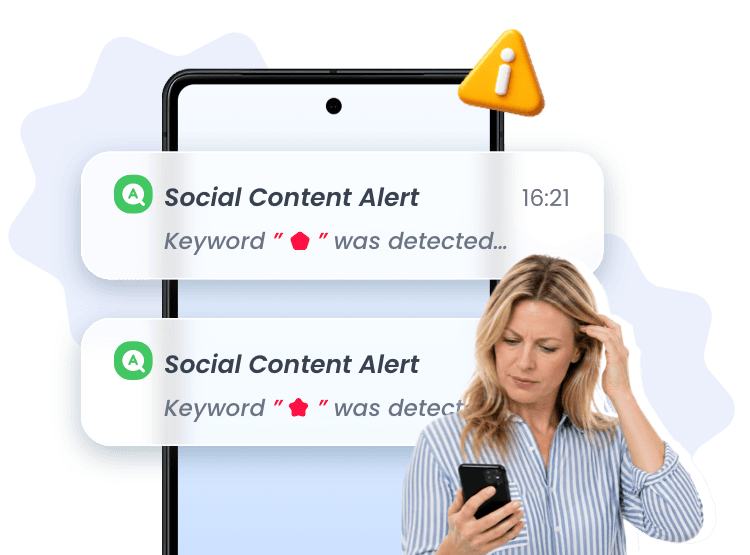
Want to know the moment your child encounters slang like “Finsta” ? AirDroid sends you an alert when it shows up — before it becomes a surprise.



Heard Another Word You Don't Recognize?
Search any slang term and go straight to the full breakdown - meaning, risk level, and what to do next.