What Does Catfish Mean?
"Catfish" refers to the act of creating a deceptive social media profile to lure someone into a relationship or scam them.



Is Catfish Safe? Meaning, Risk & Tips
The same word can mean very different things. Here's what to look for in your child's situation.
Mostly harmless — but context matters.
Teens use "Catfish" to describe someone using a fake profile to trick others online. They often use it when warning friends about suspicious accounts. If your teen mentions online contacts who avoid video calls, it’s a great time to discuss digital safety and help them navigate relationships securely.
- Used jokingly when someone pretends online for fun
- Refers to lighthearted online role-playing or pranking
- Mentioned in TV shows or movies as entertainment
- Someone feels betrayed after a fake online romantic relationship
- Used when a person hides true identity to deceive emotionally
- Comes up with talk of trust issues or online dating fears

What to Do If Your Child Is Using Catfish
Every situation is different. Here are four approaches — pick what fits yours.
Start with Curiosity
Position yourself as a learner, not a monitor — teens respond far better when they feel respected than when they feel interrogated. Skip the accusations and lead with genuine interest.
Watch Before You Act
You don't always need to bring it up immediately. Give it a few days — observe the pattern, who they're with, how they're feeling. One data point isn't a trend.
Set Clear Expectations
"Catfish" may be normal to them, but normal doesn't always mean appropriate. One honest conversation about what you expect beats ten arguments after the fact.
Stay a Step Ahead
Sometimes slang moves faster than conversations can happen. Being informed isn't about invading privacy — it's about being ready to guide them when it matters.
Get Alerted When Catfish Shows Up
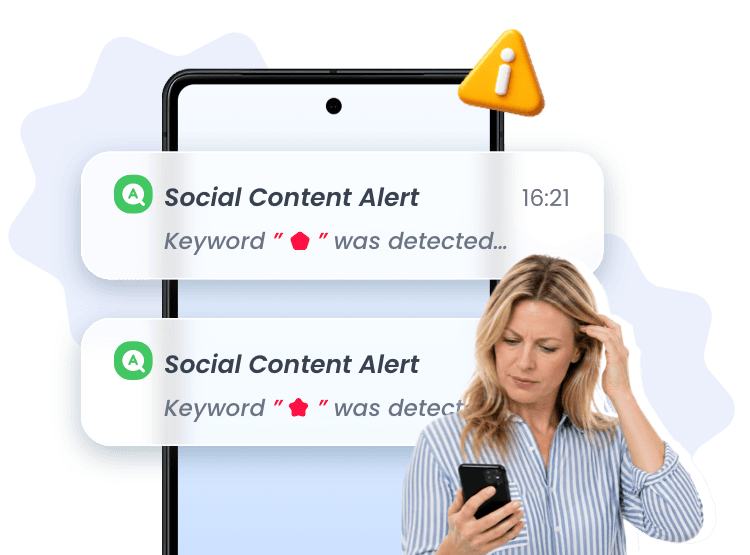
Want to know the moment your child encounters slang like “Catfish” ? AirDroid sends you an alert when it shows up — before it becomes a surprise.



Heard Another Word You Don't Recognize?
Search any slang term and go straight to the full breakdown - meaning, risk level, and what to do next.