What Does Trap Phone Mean?
"Trap Phone" refers to a disposable, prepaid mobile device used for illegal activities to avoid surveillance. These untraceable phones are commonly discarded after use.



Is Trap Phone Safe? Meaning, Risk & Tips
The same word can mean very different things. Here's what to look for in your child's situation.
This one needs your attention — now.
Teens use "Trap Phone" to describe disposable devices often linked to illegal activities like drug dealing. It typically signals secrecy or involvement in risky behavior. If you hear this term, calmly talk with your child to understand their influences and ensure they remain safe, guided, and protected from harm.
- Used to coordinate drug transactions or large-scale illegal substance sales.
- Mentioned when discussing destroying the device to hide evidence from police.
- Said while planning violent crimes or organized illegal activities anonymously.

What to Do If Your Child Is Using Trap Phone
Every situation is different. Here are four approaches — pick what fits yours.
Start with Curiosity
Position yourself as a learner, not a monitor — teens respond far better when they feel respected than when they feel interrogated. Skip the accusations and lead with genuine interest.
Watch Before You Act
You don't always need to bring it up immediately. Give it a few days — observe the pattern, who they're with, how they're feeling. One data point isn't a trend.
Address What's Behind the Word
When "Trap Phone" shows up, don't fix the word — check in on the child. Something heavier than slang might be going on beneath the surface.
Stay a Step Ahead
Sometimes slang moves faster than conversations can happen. Being informed isn't about invading privacy — it's about being ready to guide them when it matters.
Get Alerted When Trap Phone Shows Up
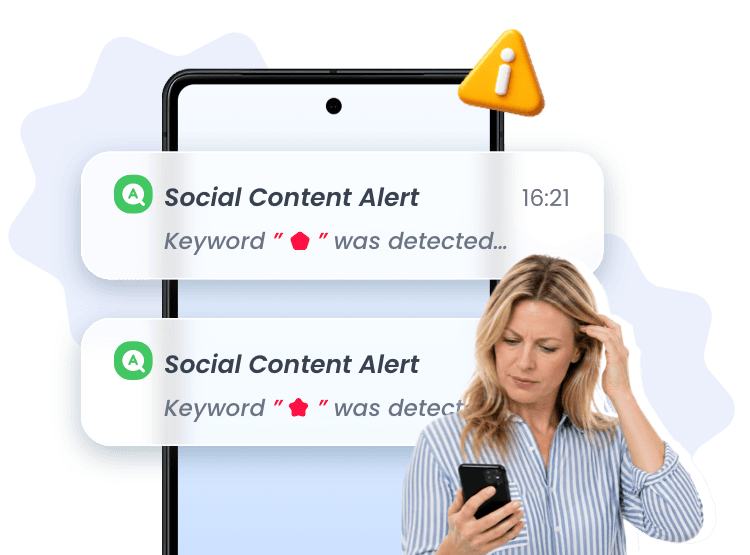
Want to know the moment your child encounters slang like “Trap Phone” ? AirDroid sends you an alert when it shows up — before it becomes a surprise.



Heard Another Word You Don't Recognize?
Search any slang term and go straight to the full breakdown - meaning, risk level, and what to do next.