What Does 🍅🍅🍅 Mean?
🍅🍅🍅 means "boo" or "that's bad" mimicking throwing tomatoes to express disapproval, mock something, or playfully reject a take online.



Is 🍅🍅🍅 Safe? Meaning, Risk & Tips
The same word can mean very different things. Here's what to look for in your child's situation.
This one's harmless — here's what it means.
Teens use the tomato emojis to playfully boo or tease friends when someone shares a bad opinion or embarrassing story online. It mimics the old tradition of throwing rotten tomatoes on stage. Parents can rest easy; this trend is entirely harmless, lighthearted humor with no ill intent involved.

What to Do If Your Child Is Using 🍅🍅🍅
Every situation is different. Here are four approaches — pick what fits yours.
Start with Curiosity
🍅🍅🍅 can signal playful teasing or real disapproval. If you're unsure, ask what it's responding to rather than assuming someone is being unkind.
Watch Before You Act
Booing a friend's bad joke is different from repeatedly mocking someone. Pay attention if a person is being singled out, others join in, or the teasing continues after they ask for it to stop.
Use It To Connect
If your teen enjoys sharing online jokes with you, this emoji can become a small shared joke. Let it happen naturally, and avoid using it to dismiss their feelings or concerns.
Stay a Step Ahead
Sometimes slang moves faster than conversations can happen. Being informed isn't about invading privacy — it's about being ready to guide them when it matters.
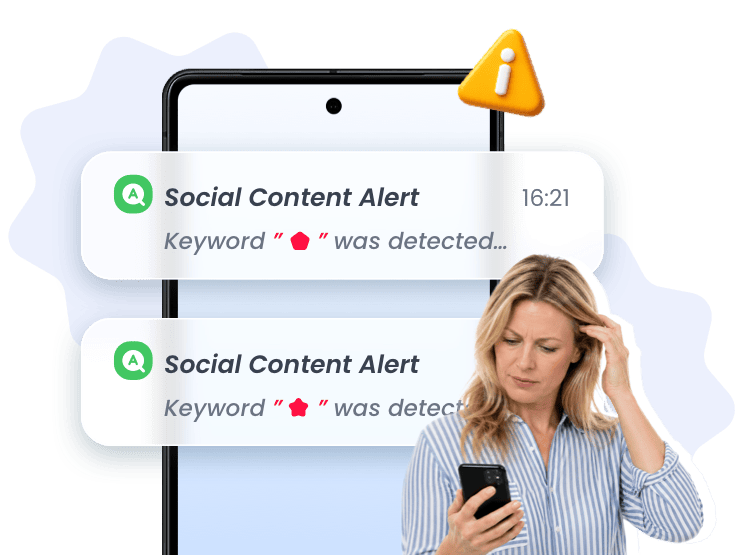
Get Alerted When 🍅🍅🍅 Shows Up
Want to know the moment your child encounters slang like “🍅🍅🍅” ? AirDroid sends you an alert when it shows up — before it becomes a surprise.



Heard Another Word You Don't Recognize?
Search any slang term and go straight to the full breakdown - meaning, risk level, and what to do next.


