What Does 🙂 Mean?
🙂 can express mild friendliness or reassurance, but in texting it may also signal awkwardness, sarcasm, or restrained annoyance.


Is Slightly Smiling Face Emoji Safe? Meaning, Risk & Tips
The same emoji can feel friendly, awkward, or passive-aggressive depending on the conversation.
This one's harmless — here's what it means.
Teens may use 🙂 as a gentle, friendly smile or to soften an awkward, sarcastic, or mildly annoyed reply. On its own, the emoji is low-risk and usually communicates tone rather than anything dangerous or inappropriate. Check the surrounding message before assuming the sender is upset.

How Parents Can Respond to the 🙂 Emoji
Most uses are harmless. Here are four simple ways to understand the context and keep communication open.
Start with Curiosity
Because 🙂 can feel sincere, awkward, or sarcastic, avoid assigning it one fixed meaning. Ask how it is used in your teen's chats and let them explain the tone.
Watch Before You Act
A single 🙂 rarely reveals much on its own. Read the words around it and consider whether the conversation feels friendly, tense, or playful before deciding what it means.
Use It To Connect
If a message feels ambiguous, use a light check-in instead of telling your teen what the emoji "really" means. This gives them room to explain without feeling analyzed.
Stay a Step Ahead
Sometimes slang moves faster than conversations can happen. Being informed isn't about invading privacy — it's about being ready to guide them when it matters.
Get Alerted When 🙂 Shows Up
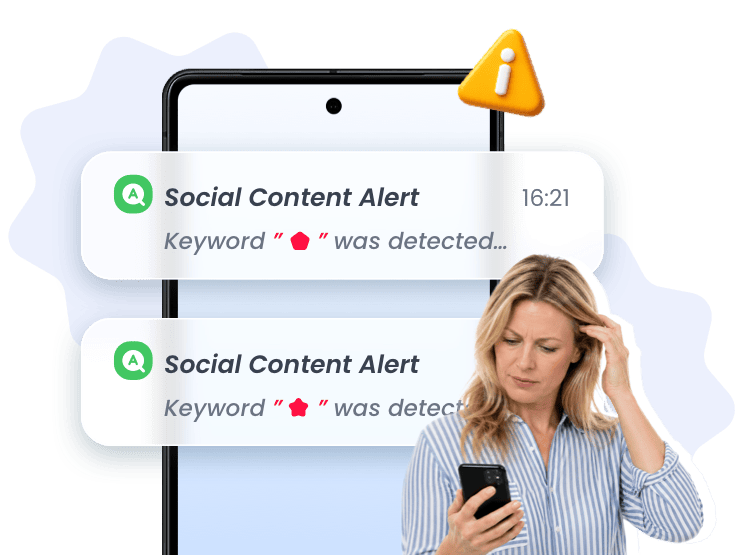
Want to know the moment your child encounters slang like “🙂” ? AirDroid sends you an alert when it shows up — before it becomes a surprise.



Heard Another Word You Don't Recognize?
Search any slang term and go straight to the full breakdown - meaning, risk level, and what to do next.