What Does 🤣 Mean?
The 🤣 emoji expresses uncontrollable laughter—usually when something feels even funnier than a standard 😂 reaction.


Is the 🤣 Emoji Safe? Meaning, Risk & Tips
Most uses are harmless, but context can make the laughter feel playful or mocking.
This one's harmless — here's what it means.
Teens commonly use 🤣 to react to jokes, memes, and funny videos, meaning “I’m laughing so hard.” It usually has no hidden or dangerous meaning, although it can feel mocking when aimed at someone’s mistake, appearance, or embarrassment.

How Parents Can Respond to the 🤣 Emoji
Every situation is different. Here are four approaches — pick what fits yours.
Start with Curiosity
A laughing emoji rarely requires a serious conversation. If you are curious, ask about the joke and give your child a chance to explain it.
Watch Before You Act
Most teens use 🤣 in harmless reactions to jokes, memes, and funny videos. What matters is whether everyone is enjoying the joke or one person is being singled out.
Use It To Connect
If the humor is harmless and genuinely makes you laugh, responding with the same emoji can create an easy, low-pressure moment of connection.
Stay a Step Ahead
Sometimes slang moves faster than conversations can happen. Being informed isn't about invading privacy — it's about being ready to guide them when it matters.
Get Alerted When 🤣 Shows Up
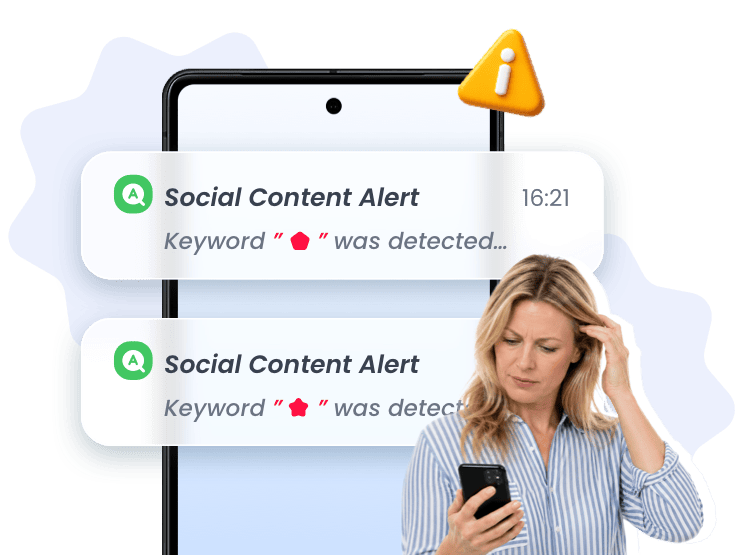
Want to know the moment your child encounters slang like “🤣” ? AirDroid sends you an alert when it shows up — before it becomes a surprise.



Heard Another Word You Don't Recognize?
Search any slang term and go straight to the full breakdown - meaning, risk level, and what to do next.