What Does Meat Proxy Mean?
A "meat proxy" is a person who forwards AI-generated text, code, or other output without reading, understanding, or checking it first. They act only as a human middleman between an AI system and another person.



Is Meat Proxy Safe? Meaning, Risk & Tips
The same word can mean very different things. Here's what to look for in your child's situation.
Mostly harmless — but context matters.
A "meat proxy" is someone who copies and forwards AI-generated text, code, or other content without reading, checking, or understanding it. Teens may encounter the term in conversations about homework, coding, or AI use. The phrase itself is not dangerous, but it may point to overreliance on AI, academic dishonesty, or unkind criticism of others.
- Used while discussing the importance of checking AI-generated answers
- Joking about an obvious copy-and-paste response among friends
- Criticizing low-effort AI use without targeting or bullying someone
- Your teen submits unchecked AI-generated work as their own
- They frequently share AI answers without verifying the information
- The term is used to shame or repeatedly insult a classmate

What to Do If Your Child Is Using Meat Proxy
Every situation is different. Here are four approaches — pick what fits yours.
Start with Curiosity
"Meat proxy" is usually a criticism of careless AI use, not a secret code. Ask where your child encountered it and what behavior they were describing.
Watch Before You Act
The phrase itself is not a major concern. What matters is whether your child reads, understands, and verifies AI-generated material before using it.
Set Clear Expectations
Using AI for ideas can be helpful, but your child should remain responsible for anything they submit or share.
Stay a Step Ahead
Sometimes slang moves faster than conversations can happen. Being informed isn't about invading privacy — it's about being ready to guide them when it matters.
Get Alerted When Meat Proxy Shows Up
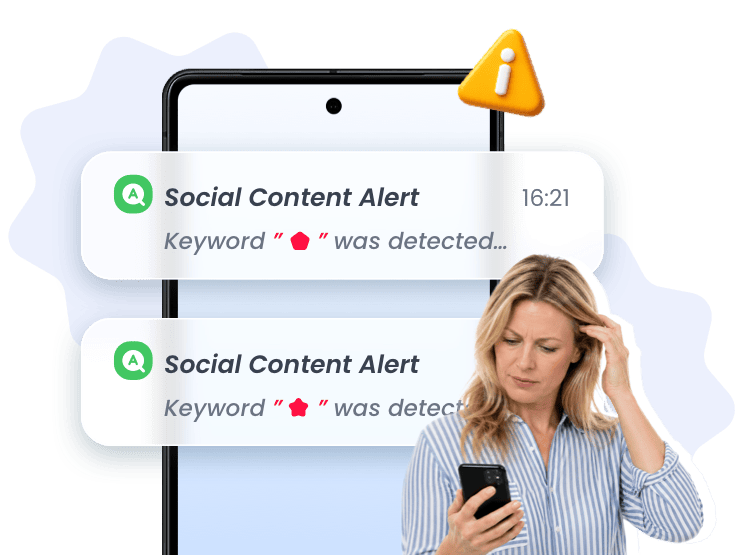
Want to know the moment your child encounters slang like “Meat Proxy” ? AirDroid sends you an alert when it shows up — before it becomes a surprise.



Heard Another Word You Don't Recognize?
Search any slang term and go straight to the full breakdown - meaning, risk level, and what to do next.