What Does Glizzy Mean?
"Glizzy" is a versatile slang term primarily used to refer to a hot dog, though it originally originated as a nickname for a Glock handgun.


Is Glizzy Safe? Meaning, Risk & Tips
The same word can mean very different things. Here's what to look for in your child's situation.
Mostly harmless — but context matters.
Teens use "Glizzy" as a playful nickname for hot dogs, often in funny social media memes. While usually harmless fun, it can also refer to a handgun. If you notice it used alongside talk of weapons, use it as an opportunity to discuss safety and positive online habits.
- Refers to hot dogs in funny TikTok eating challenges
- Used jokingly among friends when talking about food
- Common in casual conversations about street snacks
- Mentioned when referring to firearms in gang-related talk
- Used in contexts implying weapon possession or threat
- Appears alongside discussions of violence or crime

What to Do If Your Child Is Using Glizzy
Every situation is different. Here are four approaches — pick what fits yours.
Start with Curiosity
"Glizzy" has several meanings, so avoid reacting before you understand the conversation. In food videos and memes, it usually just means a hot dog.
Watch Before You Act
You don't always need to bring it up immediately. Give it a few days — observe the pattern, who they're with, how they're feeling. One data point isn't a trend.
Set Clear Expectations
"Glizzy" may be normal to them, but normal doesn't always mean appropriate. One honest conversation about what you expect beats ten arguments after the fact.
Stay a Step Ahead
Sometimes slang moves faster than conversations can happen. Being informed isn't about invading privacy — it's about being ready to guide them when it matters.
Get Alerted When Glizzy Shows Up
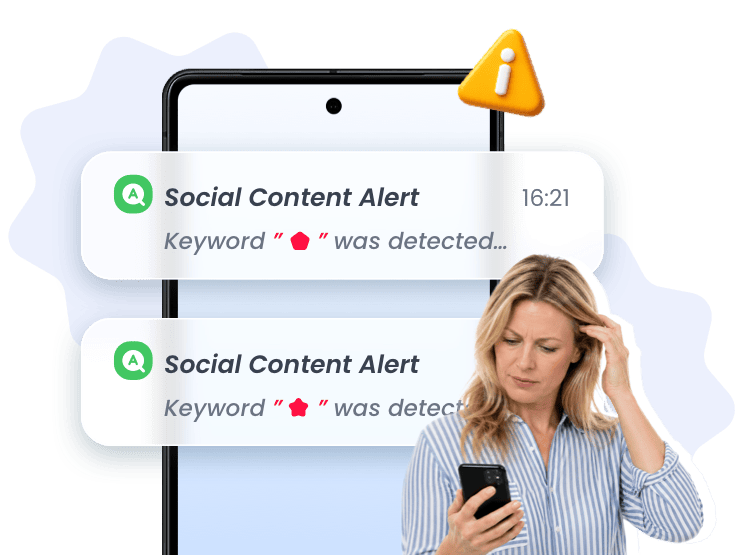
Want to know the moment your child encounters slang like “Glizzy” ? AirDroid sends you an alert when it shows up — before it becomes a surprise.



Heard Another Word You Don't Recognize?
Search any slang term and go straight to the full breakdown - meaning, risk level, and what to do next.