What Does 🍟✌️ Mean?
In social media comments, 🍟✌️ usually means "wrap it up" or "stop talking." It's a sarcastic way to dismiss something as long-winded, corny or embarrassing. Between friends, it can also be playful teasing.


Is 🍟✌️ Safe? Meaning, Risk & Tips
This emoji combination can be playful or dismissive. Here's how to tell the difference in your child's messages.
Usually a joke, but tone matters.
Teens may use 🍟✌️ to mean "wrap it up" or "stop talking," especially when they find a comment long-winded, corny or embarrassing. It comes from the meme "just put the fries in the bag, bro." The combination has no widely recognized sexual or drug-related meaning, but it can dismiss someone's opinion or make them feel mocked. Friendly banter is usually low-risk; repeated replies targeting one person deserve a closer look.

What to Do If Your Child Is Using 🍟✌️
A joking reply doesn't always need intervention. These four approaches can help you understand the context and respond when needed.
Start with Curiosity
Ask how your child and their friends use 🍟✌️. They may see it as a familiar meme rather than an insult. Understanding the joke gives you a better starting point for discussing its tone.
Check the Context
Look at the conversation your child shares with you. A mutual joke between friends is different from a group repeatedly using 🍟✌️ to shut one person down. Pay attention to the recipient's reaction and whether the teasing continues after they ask it to stop.
Talk About the Impact
Explain that a funny meme can still feel dismissive. Your child doesn't need to avoid every sarcastic reply, but they should consider who will receive it and whether that person is comfortable with the joke.
Offer Support
If your child is repeatedly mocked or excluded, ask what support they want. Help them save hurtful messages, mute or block accounts, and report bullying when appropriate. Discuss any parental control tools openly and use them to support agreed boundaries.
Get Alerted When 🍟✌️ Shows Up
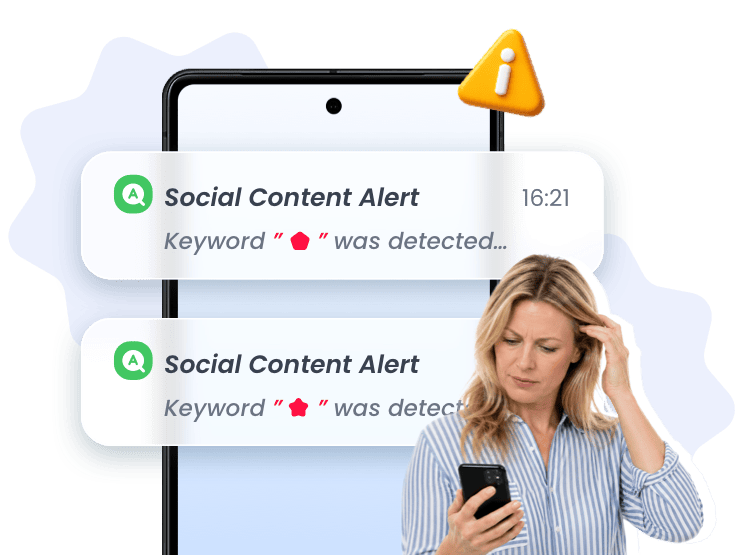
Want to know the moment your child encounters slang like “🍟✌️” ? AirDroid sends you an alert when it shows up — before it becomes a surprise.



Heard Another Word You Don't Recognize?
Search any slang term and go straight to the full breakdown - meaning, risk level, and what to do next.


