What Does Bop Mean?
"Bop" is a derogatory slang term for someone—usually a girl or woman—who is perceived as having multiple sexual partners or judged for posting revealing or sexually suggestive content online.


Is Bop Safe? Meaning, Risk & Tips
The same word can mean very different things. Here's what to look for in your child's situation.
Harmless for music — harmful when aimed at a person.
"Bop" can describe a catchy song, but teens may also use it as a derogatory label for someone—usually a girl—who is perceived as promiscuous or judged for posting revealing content online. The word alone is not always concerning; who or what it describes determines the risk.
- Used to describe a catchy or enjoyable song
- Appears in conversations about music, playlists, or artists
- Used in phrases such as “This song is a bop” without targeting anyone
- Used to label a girl based on her appearance, clothing, or rumored sexual history
- Appears in phrases such as “school bop” or “lala bop”
- Accompanies someone’s name or photo in rumors, harassment, or bullying posts

What to Do If Your Child Is Using Bop
Every situation is different. Here are four approaches — pick what fits yours.
Start with Curiosity
Because "bop" has both harmless and insulting meanings, avoid assuming the worst. Ask how it was being used and give your child room to explain the surrounding conversation.
Watch Before You Act
One mention of "bop" may simply be about music. Look at what surrounds the word, who it refers to, and whether it forms part of a repeated pattern of teasing or harassment.
Set Clear Expectations
Explain that using "bop" to praise music is harmless, but using it to judge someone’s body, clothing, or supposed sexual history can cause real harm.
Stay a Step Ahead
Sometimes slang moves faster than conversations can happen. Staying informed can help you recognize when teasing turns into sexual shaming or coordinated bullying.
Get Alerted When Bop Shows Up
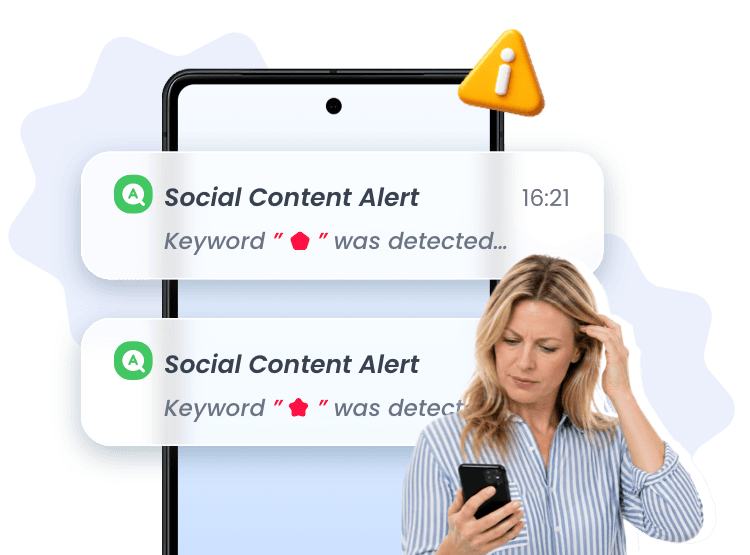
Want to know the moment your child encounters slang like “Bop” ? AirDroid sends you an alert when it shows up — before it becomes a surprise.



Heard Another Word You Don't Recognize?
Search any slang term and go straight to the full breakdown - meaning, risk level, and what to do next.