What Does Bird Mean?
"Bird" is a TikTok insult for a woman perceived as acting foolishly or centering her choices around male attention, especially in dating situations.


Is Bird Safe? Meaning, Risk & Tips
The same word can mean very different things. Here's what to look for in your child's situation.
Mostly harmless — but context matters.
“Bird” has two common meanings. In traditional British slang, it informally refers to a girl, woman, or girlfriend, although some people consider it dated or objectifying. On TikTok, “bird” or “bird behavior” is often used to mock a woman perceived as acting foolishly or prioritizing male attention in dating situations. Context and tone determine whether it is playful self-mockery or a gendered insult.
- Used in British slang to mean a woman or girlfriend
- Appears as playful self-mockery about dating mistakes
- Friends use "bird behavior" jokingly without targeting anyone
- Used to shame women for their dating choices
- Labels someone as foolish, desperate, or male-centered
- Appears in repeated mocking, harassment, or gender-based bullying

What to Do If Your Child Is Using Bird
Every situation is different. Here are four approaches — pick what fits yours.
Start with Curiosity
"Bird" can have different meanings depending on the speaker and context. Ask how your teen and their friends use it before assuming it is harmless or insulting.
Watch Before You Act
A single mention may be a joke or a reference to British slang. Pay more attention when "bird" is repeatedly used to judge women or mock someone's dating choices.
Talk About Respect
Using "bird behavior" to joke about your own dating mistakes differs from attaching the label to another person. Encourage your teen to criticize a specific action without reducing someone to an insult.
Stay a Step Ahead
Sometimes slang moves faster than conversations can happen. Being informed isn't about invading privacy — it's about being ready to guide them when it matters.
Get Alerted When Bird Shows Up
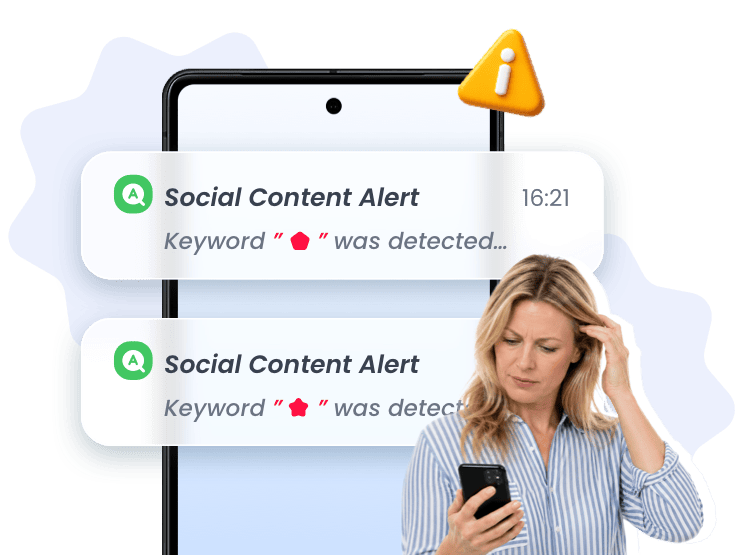
Want to know the moment your child encounters slang like “Bird” ? AirDroid sends you an alert when it shows up — before it becomes a surprise.



Heard Another Word You Don't Recognize?
Search any slang term and go straight to the full breakdown - meaning, risk level, and what to do next.